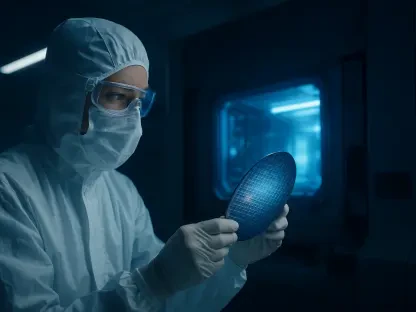

Effective leadership in high-reliability organizations depends on the ability to foster a speak-up culture where operators feel safe reporting near-misses early. In the sophisticated landscape of 2026, where biopharmaceutical production utilizes advanced cell therapies and complex automation, the demand for nuanced management has never been higher. Today’s site heads and production directors are navigating an environment where the technical integrity of a batch is inseparable from the psychological health of the shop floor. This evolution is necessitated by the increasing frequency of high-stakes biological processes that leave almost no room for human error or communicative ambiguity. As the industry grapples with these pressures, the traditional paradigm of the “command and control” manager is rapidly dissolving in favor of a model that emphasizes emotional intelligence and real-time self-regulation. This shift is not merely about soft skills; it is about a measurable impact on compliance, where the way a leader communicates during a crisis can either accelerate a solution or inadvertently suppress the very information needed to prevent a massive batch failure. By integrating behavioral science with high-tech monitoring, organizations are finding new ways to refine the leadership experience, ensuring that those at the helm can perform with the same precision as the cleanroom instruments they oversee. This convergence of technology and human-centered management represents a turning point in how professionals are trained to handle the psychological and operational rigors of the manufacturing suite.
High-Pressure Dynamics: Navigating Bioprocessing Stressors
Part 1: Navigating the Stressors of GMP Facilities
Leaders in Good Manufacturing Practice (GMP) environments operate within a framework of rigid regulations and extreme time sensitivity that has only intensified with the push for individualized medicine. The daily routine involves managing sensitive biological processes where the margin for error is nearly nonexistent, particularly in facilities handling viral vectors or sensitive mRNA sequences. In these settings, a manager’s behavioral output is intrinsically linked to technical success, making their personal conduct a critical factor in facility performance. When a leader displays signs of high stress or irritability, it creates a ripple effect throughout the cleanroom, often leading to a decrease in attention to detail among operators who may feel rushed or pressured. This dynamic creates a paradox where the very urgency to meet a production deadline can undermine the meticulous standards required to ensure product purity. In the current year, the complexity of these operations requires leaders who are not just technically proficient but also capable of maintaining a “neutral” physiological state, regardless of the challenges occurring within the bioreactor or the distribution chain.
The biological nature of the product adds a layer of unpredictability that is absent in traditional manufacturing sectors. A leader must manage not only the mechanical systems but also the organic variability of the cultures themselves. When a deviation occurs, the pressure from quality assurance and the C-suite can become overwhelming, creating a high-stress environment that tests the limits of any supervisor’s patience. In this 2026 operational landscape, the ability to remain calm is not a personality trait but a professional requirement. High-tension moments frequently arise when a batch is nearing its final harvest and a technical anomaly is detected. The leader’s reaction in that moment—whether they encourage an honest assessment of the risk or demand a quick fix to stay on schedule—will dictate the long-term quality culture of the site. Consequently, the focus has shifted toward understanding how a leader’s specific verbal cues and physiological stress markers influence the collective decision-making process of the entire manufacturing team.
Part 2: Critical High-Stakes Interactions
Critical moments, such as deviation reviews and Corrective and Preventive Action (CAPA) assessments, often create high-tension scenarios that can make or break a facility’s regulatory standing. During these interactions, the conflict between production deadlines and quality requirements can lead to communication breakdowns that hide the true root causes of an issue. A leader’s ability to remain composed and facilitate clear dialogue during these high-stakes meetings is essential for identifying systemic failures rather than merely blaming individuals. In many cases, the technical data is available, but the human interpretation of that data is skewed by the leader’s tone and the perceived pressure to “just get it done.” If a manager inadvertently signals that they are looking for a scapegoat, the resulting investigation will likely be superficial, leaving the organization vulnerable to recurring errors that could have been prevented with a more open and empathetic approach to the review process.
Operational briefings and shift handovers represent another area where leadership clarity is vital for maintaining the continuity of complex biological processes. These rapid-fire exchanges require precise information transfer; however, fatigue and stress can lead to the loss of critical process data during the handoff between the day and night teams. AI tools can help identify when a leader’s delivery might be too fast or cluttered, ensuring that incoming teams receive the information they need to prevent batch failures. In the fast-paced environment of a 2026 bioprocessing facility, the quality of a handover is often the difference between a successful release and a costly disposal. By monitoring the communication patterns during these transitions, organizations can ensure that the “tribal knowledge” often shared at shift changes is conveyed accurately and calmly. This focus on the nuance of communication helps to bridge the gap between different teams, fostering a sense of shared responsibility that is crucial for maintaining the high standards of modern biopharmaceutical production.
Limitations of Current Training Models
Part 3: Addressing the Temporal Lag in Feedback
Traditional leadership development programs, while well-intentioned, often suffer from a significant delay between an event and the subsequent feedback, which limits their effectiveness in the fast-moving bioprocessing world. Executive coaching and quarterly reviews typically occur weeks or months after a specific interaction has passed, by which time the specific context and emotional nuance of the event have faded. This gap makes it difficult for leaders to recall the specifics of a high-pressure deviation review or a heated meeting with quality control, rendering the feedback less effective for real-time behavioral change. In 2026, the speed of industry change means that a leader who receives feedback on a mistake made three months ago has likely already repeated that mistake dozens of times. This temporal lag creates a disconnect between the training room and the manufacturing floor, where the most important lessons are often lost in the shuffle of daily operational demands.
The necessity for immediate feedback is driven by the way the human brain processes behavioral change. For a leader to effectively alter a deep-seated habit, such as interrupting colleagues during a crisis, they need to be aware of the behavior as it happens or shortly thereafter. Post-event analysis that occurs in a distant office is far less impactful than data delivered while the memory is still fresh. Furthermore, traditional training often relies on self-reporting or 360-degree feedback, both of which are notoriously prone to subjective interpretation. A supervisor might believe they handled a crisis with grace, while their subordinates felt intimidated or ignored. Without an objective third-party perspective to bridge this gap, leaders continue to operate within a vacuum of their own self-perception, unaware of the subtle ways their behavior might be undermining team cohesion. This limitation has spurred the demand for a more continuous and data-driven approach to professional development that operates at the speed of modern manufacturing.
Part 4: Overcoming Communication Blind Spots
Human memory is naturally subjective and often filtered through personal biases, which creates significant “communication blind spots” that can hinder a leader’s growth. A manager may not realize they are interrupting colleagues or speaking with an aggressive tone during a crisis because they are focused entirely on the technical problem at hand. These invisible habits remain uncorrected because there is no objective record to challenge the leader’s self-perception in the moment of stress. In high-reliability organizations, these blind spots are more than just social awkwardness; they are operational risks that can lead to missed information or silenced dissent. When a leader is unaware of how their presence affects the room, they cannot effectively steer the team through the complexities of a regulatory audit or a sensitive process scale-up. The challenge lies in the fact that these behaviors are often subconscious reactions to stress, making them difficult to identify without technological intervention.
By utilizing objective data, leaders can begin to see themselves through a lens that is free from the distortions of ego or defensive reasoning. This clarity is essential for fostering a culture where every member of the team feels that their technical input is valued and heard. In 2026, the most effective leaders are those who are willing to confront these blind spots and use them as a foundation for genuine improvement. The traditional method of relying on “gut feeling” to judge one’s own leadership effectiveness is increasingly viewed as insufficient in a data-rich environment. Instead, professionals are looking for tools that can quantify the quality of their interactions, providing a baseline from which they can measure their growth over time. This objective approach not only benefits the leader’s career but also creates a more predictable and stable environment for the entire manufacturing team, as they no longer have to guess which version of their manager will show up to a high-pressure meeting.
The Concept of the Private Mirror
Part 5: Technological Foundations for Behavioral Insight
The proposed solution involves using wearables like rings, watches, or badges as private behavioral feedback instruments that provide a constant stream of self-awareness. These devices function as a “private mirror,” capturing physiological and acoustic signals to provide an objective view of the wearer’s conduct during critical bioprocessing events. The core philosophy of this technology is centered on self-reflection rather than corporate surveillance or external monitoring by the HR department. By keeping the data private to the wearer, the technology avoids the pitfalls of “Big Brother” oversight and instead empowers the leader to take charge of their own development. In the context of a 2026 cleanroom, these devices must be non-intrusive and compatible with personal protective equipment (PPE), ensuring that the pursuit of behavioral insight does not interfere with the physical requirements of the job.
The hardware used for these “private mirrors” leverages advanced sensor technology that can detect minute changes in the wearer’s physical state. High-resolution sensors can track movement patterns, heart-rate variability, and even the subtle tremors in a voice that indicate rising cortisol levels. This data is processed through sophisticated algorithms that have been trained specifically on the communicative patterns found in high-stakes professional environments. Unlike generic fitness trackers, these leadership-focused wearables are designed to distinguish between physical exertion and emotional stress, providing a more accurate picture of the leader’s internal state. By presenting this information in a clear, digestible format, the technology allows a leader to see exactly when they are beginning to lose their composure, giving them the chance to reset before their behavior impacts the team. This proactive approach to self-regulation is a cornerstone of modern high-performance leadership in the pharmaceutical industry.
Part 6: Multi-Modal Analysis of Communication
Technical data capture focuses on prosodic features, such as variations in pitch, volume, and speech rate that might indicate rising stress levels or defensive posturing. By analyzing speaking-to-listening ratios, the AI can inform a leader if they dominated a conversation during a critical deviation investigation or if they failed to allow for meaningful team input. This data is combined with heart-rate variability to create a multimodal view of the leader’s internal state during key interactions, providing a holistic understanding of how they present themselves to others. In the current year, these algorithms are capable of filtering out the noise of the production floor to focus specifically on the leader’s voice, ensuring that the privacy of others is maintained while providing high-fidelity feedback to the wearer. This level of technical precision allows for a granular analysis of a leader’s “presence,” helping them to understand the subtle cues they send to their team during daily stand-ups and emergency meetings.
Furthermore, the integration of multiple data streams allows the AI to provide context-aware insights that go beyond simple metrics. For instance, the system can recognize the difference between the high volume required to speak over machinery and the high volume that suggests anger or frustration. This distinction is vital in a bioprocessing environment where background noise is a constant factor. By correlating physiological markers with acoustic data, the wearable can provide a “stress map” of the day, showing the leader which specific types of interactions trigger their most reactive behaviors. This allows for targeted development, where a manager can focus on specific scenarios—such as dealing with regulatory inspectors or negotiating with equipment vendors—where they are most likely to struggle. The goal is not to turn every leader into a robot, but to give them the data they need to be the most effective, authentic version of themselves in every professional context they encounter.
Practical Insights for Real-World Scenarios
Part 7: Translating Raw Data into Actionable Growth
In a practical GMP setting, these wearables provide specific, actionable insights following critical meetings that can be immediately applied to the next shift. For example, after a quality review, a leader might receive a private notification on their mobile device indicating that their speaking pace increased significantly during a debate about a potential batch contamination. This objective observation allows the leader to consciously adjust their behavior in future sessions to maintain a more open and collaborative environment, even when the stakes are at their highest. In the fast-paced 2026 manufacturing environment, this type of “just-in-time” coaching is far more effective than traditional methods because it addresses the behavior while the leader is still in the mindset of the event. It turns every meeting into a potential training session, allowing for a continuous cycle of improvement that is seamlessly integrated into the workday.
The ability to translate raw sensor data into meaningful leadership advice is the primary innovation of these AI-enabled systems. Rather than simply showing a graph of heart rate, the system might suggest, “You were highly active during the last thirty minutes of the meeting; consider starting the next session by asking for team feedback first.” This type of actionable guidance helps a leader move from a state of reactive stress to one of intentional influence. By providing a clear roadmap for behavioral adjustment, the technology removes the guesswork from professional development. Leaders can set specific goals for themselves, such as increasing their “pause time” after asking a question to ensure that quiet or more thoughtful team members have a chance to contribute. Over time, these small adjustments lead to a significant shift in the overall culture of the facility, as the leader models the very behavior they want to see in their team.
Part 8: Preservation of the Speak-Up Culture
During difficult accountability discussions, the AI can detect spikes in stress markers that might lead a manager toward a tone of intimidation or excessive pressure. By alerting the leader to these physiological changes, the technology helps them regulate their delivery to preserve a “speak-up” culture, which is essential for identifying potential safety or quality issues before they become catastrophic. This is particularly important in bioprocessing, where the complexity of the science means that a front-line operator might notice a subtle change in a cell culture that a manager would miss. If that operator feels intimidated by their supervisor’s tone, they may hesitate to report the observation, leading to a failed batch or a regulatory violation. By helping leaders maintain a composed and approachable demeanor, AI wearables act as a safeguard for the entire organization’s quality systems, ensuring that information flows freely from the cleanroom floor to the executive offices.
The psychological safety of the workforce is a primary driver of operational excellence in 2026. A leader who uses AI feedback to temper their reactions during a crisis is effectively investing in the reliability of their production line. When operators see that their manager remains calm and inquisitive during a deviation, they are more likely to be honest about their own mistakes, allowing for a more accurate root-cause analysis. This creates a virtuous cycle where transparency leads to better data, which leads to more effective corrective actions. The wearable technology serves as a silent partner in this process, providing the leader with the “nudge” they need to stay on track even when they are under immense pressure. Ultimately, this approach moves leadership beyond the realm of charisma and into the realm of measurable, reproducible performance, providing a stable foundation for the complex work of pharmaceutical manufacturing.
Establishing an Ethical Architecture
Part 9: Privacy Safeguards and Data Ownership
The success of leadership wearables in 2026 depends entirely on a rigorous ethical framework that prioritizes user privacy and prevents the technology from being used as a tool for administrative discipline. To gain trust among the workforce, these systems must be “off by default,” requiring the leader to manually activate them before specific interactions where they want to receive feedback. Clear visual or haptic indicators are necessary to ensure that everyone in the vicinity is aware when the device is active, preventing any perception of secret recording or unethical monitoring. This transparency is vital for maintaining the trust of the team, as it demonstrates that the technology is being used for personal development rather than as a hidden surveillance tool. In an industry where trust is the cornerstone of safety, any ambiguity about the use of AI could lead to a toxic work environment and a breakdown in communication.
Data management is a critical component of the ethical design, focusing on behavioral signals rather than the specific semantic content of a conversation. By utilizing edge processing, the device analyzes audio and physiological data locally and deletes raw recordings immediately after the behavioral metrics are extracted. This ensures that sensitive intellectual property or personal details shared during a meeting are never stored or transmitted to the cloud. Crucially, the derived information belongs exclusively to the leader and is not accessible by HR, the legal department, or upper management. This ownership model ensures the device remains a coaching tool for the individual, removing the fear that a “bad day” could be used against them in a performance review. By drawing a hard line between personal growth data and organizational performance metrics, companies can encourage their leaders to use the technology honestly and effectively.
Part 10: Designing for Voluntary Engagement
The voluntary nature of these programs is essential for fostering a sense of agency among leaders. In the current year, organizations that attempt to mandate the use of behavioral wearables often face significant resistance and a decline in morale. In contrast, those that offer the technology as an optional resource for high-potential managers find much higher rates of engagement and more positive outcomes. When a leader chooses to use a wearable, they are making a personal commitment to their own growth, which is a powerful motivator for change. The focus remains on the individual’s desire to be a more effective communicator and a more resilient professional. This “opt-in” model also allows leaders to use the device selectively, perhaps only during their most challenging meetings or when they are feeling particularly stressed, ensuring that the feedback is always relevant and welcomed.
Furthermore, the ethical architecture must include protections against the “gamification” of leadership metrics by the organization. While it might be tempting for a company to track the aggregate “calmness” scores of its management team, doing so can lead to artificial behavior where leaders focus on “winning the metric” rather than actually leading their teams. In 2026, the best practices for leadership wearables emphasize that the AI is there to serve the human, not the other way around. The feedback is a private dialogue between the leader and the machine, designed to help the human navigate the complexities of their role with greater awareness and empathy. By maintaining this strict boundary between coaching and evaluation, organizations can ensure that the technology remains a force for positive cultural change rather than a source of new workplace anxieties.
Navigating Regulatory and Legal Landscapes
Part 11: Compliance in a Highly Regulated Sector
Implementing wearable technology in a bioprocessing facility introduces complex legal and regulatory questions that must be addressed with the same rigor as the production processes themselves. Organizations must determine if the data generated by these devices constitutes an electronic record under 21 CFR Part 11 or EU GMP Annex 11, particularly if the device is active during batch-critical activities. If the AI provides insights that lead to a change in a production decision, that insight might be considered part of the “process knowledge” that must be documented and archived. In 2026, the intersection of AI-driven behavioral data and pharmaceutical compliance is a new frontier for many legal departments. Navigating this requires a clear understanding of where personal coaching ends and formal process documentation begins, a distinction that is increasingly blurred as technology becomes more integrated into the daily workflow of the manufacturing suite.
There is also the ongoing challenge of ensuring compliance with various global data protection laws regarding the capture of physiological signals in the workplace. Different jurisdictions have vastly different requirements for the collection and storage of biometric data, and biopharmaceutical companies operating in multiple countries must navigate a patchwork of regulations. In the United States, state-level laws such as the CCPA or BIPA add layers of complexity to the rollout of leadership wearables. Companies must be transparent about what data is being collected, how it is being processed, and who has access to it. Even if the data is processed locally on the device, the mere act of collecting it can trigger certain legal requirements. Organizations are finding that a proactive approach, involving early consultation with privacy experts and labor unions, is the only way to successfully implement these technologies without running into significant legal roadblocks.
Part 12: Managing Interactions with Regulatory Bodies
Beyond internal privacy laws, companies must consider how regulatory bodies like the FDA or EMA might view the presence of leadership wearables during a facility inspection. If a device is active during a formal investigation or a walkthrough with an inspector, its records could potentially be subject to scrutiny if the inspector believes they contain relevant process information. This creates a unique challenge for quality departments, who must ensure that the use of personal coaching tools does not inadvertently create a liability for the firm. In 2026, the guidance on this issue is still evolving, but many organizations are adopting “sterile” periods during inspections where all non-essential electronics are deactivated. However, this also means losing the benefits of the wearable during one of the most high-pressure interactions a leader can face, highlighting the need for more clear-cut industry standards on the status of behavioral data.
The potential for “discovery” during litigation is another concern that weighs heavily on the minds of corporate counsel. If a batch failure leads to a lawsuit, any data that suggests a leader was under extreme stress or was communicating poorly during the production of that batch could be used to argue that the company was negligent. This risk is why the ethical and technical design of the system—specifically the immediate deletion of raw data—is so critical. By ensuring that the system only generates high-level behavioral insights for the user, companies can minimize the risk of creating a digital paper trail that could be misinterpreted in a court of law. Navigating these hurdles requires a phased approach, starting with limited pilot programs that allow all stakeholders to understand the benefits and risks of the technology in a controlled environment before a full-scale rollout is attempted across the organization.
Impact on Operational Excellence
Part 13: Linking Behavioral Change to Production Outcomes
The ultimate value of AI-enhanced leadership is found in the improvement of tangible operational metrics that affect the bottom line. Calm and clear communication during investigations leads to more accurate root-cause analysis, which directly reduces the frequency of recurring deviations and the associated costs of batch rejections. When leaders model composure, it creates an environment where teams are more likely to report issues early, preventing minor errors from escalating into major quality events that require extensive regulatory reporting. In 2026, the correlation between “leadership health” and “facility health” is becoming increasingly clear. Sites that prioritize the psychological safety and communicative clarity of their management teams consistently outperform those that rely on traditional, high-pressure tactics. The wearable technology provides the missing link by quantifying the human behaviors that drive these technical successes.
Furthermore, improved communication between quality assurance and manufacturing departments can significantly streamline batch-release timelines, which is a key competitive advantage in the 2026 pharmaceutical market. By reducing the friction, defensiveness, and misunderstandings that often occur during the review process, life-saving medicines can reach patients more quickly. When a manufacturing manager can receive real-time feedback on their tone during a negotiation with QA, they are more likely to reach a collaborative resolution rather than a stalemate. This efficiency has a direct impact on the organization’s ability to respond to market demands and maintain a steady supply of critical therapeutics. The investment in leadership wearables is therefore not just an HR initiative, but a strategic operational decision that enhances the overall resilience and agility of the production facility.
Part 14: Employee Retention and Workplace Morale
In an industry facing a chronic shortage of skilled labor, the ability to provide a psychologically safe and supportive workplace serves as a major driver for employee retention and morale. Bioprocessing is a demanding field that requires a high degree of technical expertise and emotional resilience; when the leadership environment is toxic or overly stressful, turnover rates skyrocket, leading to a loss of critical institutional knowledge. AI wearables help leaders recognize when they are contributing to this turnover by providing data on how their behavior affects the team’s stress levels. By using this information to create a more supportive atmosphere, managers can foster a sense of loyalty and engagement among their staff. This is particularly important in 2026, as the “war for talent” means that highly skilled operators have more choices than ever before about where they work.
A leader who is self-aware and capable of regulating their emotions is a powerful asset for any manufacturing site. They create an environment where people feel valued and where the pursuit of quality is a shared mission rather than a top-down mandate. This cultural shift leads to higher levels of job satisfaction and a reduction in the “burnout” that is so common in high-stakes industries. When the leadership team is committed to their own personal growth, it sends a strong signal to the entire organization that excellence is a journey, not a destination. This alignment between leadership behavior and organizational values is the hallmark of a world-class manufacturing facility. By using technology to support this alignment, companies are building a more sustainable and human-centric future for the biopharmaceutical industry, where the well-being of the workforce is recognized as a prerequisite for the safety of the patient.
The Future of Leadership Training
Part 15: Transitioning to Continuous Performance Refinement
Looking forward, AI wearables are expected to evolve into a “leadership gym” where managers can consistently train their communicative and emotional stamina in the flow of work. Future iterations may include real-time haptic alerts that provide subtle vibrations when a leader’s stress levels peak or when they are speaking too rapidly, allowing them to pause and recalibrate before responding to an escalation. This proactive approach helps prevent reactive behavior before it occurs, moving beyond the “post-event” feedback model that characterizes most current training. In the 2026 landscape, the concept of a periodic leadership workshop is being replaced by the idea of continuous, incremental improvement. Every interaction becomes a chance to practice a specific skill, whether it is active listening, clear instruction, or de-escalation, with the AI providing the “spotter” support that an athlete would expect in a gym.
This shift toward continuous refinement is also changing how companies identify and develop high-potential talent. Rather than relying on subjective annual reviews, organizations can look for individuals who demonstrate a high level of “coachability”—those who actively use the data from their wearables to improve their performance over time. This data-driven approach to talent management ensures that leadership roles are filled by individuals who are not only technically capable but also committed to the continuous improvement of their interpersonal skills. By treating leadership as a discipline that requires regular practice and objective feedback, companies are creating a more robust pipeline of future executives who are prepared for the immense pressures of the global biopharmaceutical market. The wearable technology is the key that unlocks this new model of professional development, making it accessible to everyone from the shift supervisor to the site head.
Part 16: AI Simulation and Collaborative Coaching
The integration of scenario simulations will soon allow leaders to rehearse difficult conversations with an AI partner that provides feedback on their presence and tone before the actual meeting takes place. This “digital sparring” enables a manager to test out different approaches to a conflict or a performance review, seeing which style is most likely to produce the desired outcome without triggering defensive reactions. In 2026, these simulations are becoming highly realistic, utilizing the leader’s own historical data to create personalized coaching sessions that address their specific weaknesses. This marks a significant shift from generic role-playing exercises to a model of highly personalized, data-backed preparation. It allows leaders to enter high-stakes situations with a level of confidence and clarity that was previously impossible to achieve, as they have already “vetted” their approach with an objective digital advisor.
Building on this foundation, the next step involves the use of integrated coaching where leaders can choose to share anonymized trends from their wearables with a human mentor or executive coach. This hybrid approach combines the objective data of the AI with the nuanced wisdom and experience of a human advisor, providing a comprehensive development experience. The coach can see the “stress map” and behavioral trends without needing to know the specific content of every meeting, allowing them to provide much more targeted and effective guidance. This collaboration between human and machine intelligence represents the future of leadership training in the bioprocessing industry. By embracing these tools, leaders can bridge the gap between their intended impact and their actual performance, leading to safer processes, more engaged teams, and better outcomes for patients around the world.
The transition to AI-augmented leadership marked a fundamental shift in how bioprocessing facilities approached the human element of manufacturing. Organizations that successfully integrated these wearables into their daily operations recognized that the high-pressure environment of GMP required a new level of self-awareness and emotional regulation. By providing leaders with a private, data-driven mirror, these companies moved beyond the limitations of traditional, delayed feedback and created a culture of continuous improvement that benefited every level of the organization. The implementation process demonstrated that when technology was designed with an ethical, “off-by-default” architecture, it could enhance trust rather than undermine it. These early adopters successfully linked improved behavioral outcomes to tangible gains in production efficiency and regulatory compliance. Ultimately, the industry reached a consensus that the most effective way to manage the complexities of modern biopharmaceutical production was to empower the people at the helm with the tools they needed to be as precise and resilient as the science they managed. Companies looking to remain competitive in the current year were advised to begin by establishing clear ethical guidelines and launching small-scale pilot programs focused on their most critical leadership roles. This strategic adoption paved the way for a more stable, transparent, and human-centered manufacturing environment.