
Back-to-back Slack pings, stacked Zooms, a blinking badge counter in Microsoft Teams, and then another “pulse” from Qualtrics asking how work feels right now arrive in rapid sequence that leaves little oxygen for meaningful recovery and even less patience for another app promising calm on demand. At many employers, wellbeing portals sit one tap away through Okta SSO and their icons glow on every managed phone, yet the day-to-day reality is that most people open them when capacity is at its thinnest. That gap matters. Treating mental health apps, coaching portals, and check-in systems like any other SaaS tool encourages leaders to chase clear usage curves while missing a quieter signal: whether support feels tolerable and actually eases the load. The measure that counts is not how often an app is launched, but whether it changes the cadence of a hard day.
When Access Isn’t Support
Access has been framed as generosity—Viva Insights nudges in Outlook, Headspace for Work links in Slack, on-demand counseling through Modern Health or Spring Health—yet access alone did not guarantee care when participation carried a social shadow. Employees described feeling watched when weekly completion emails from Workday wellbeing modules landed in a manager’s inbox, or when a “nudge” popped up during a client call and later became a topic in one-on-ones. A breathing exercise may be evidence-based, but it can still register as pressure if launch frequency gets noted in performance check-ins or if “recommended” becomes “implicitly expected.” Support counted only when it made the next hour easier, not when it asked people to prove they were trying.
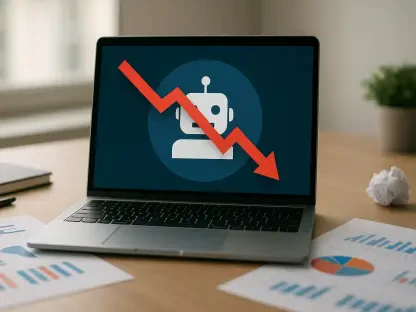
The metric story looked pristine from a dashboard seat. Activation rates out of an MDM push climbed above 70%, daily actives spiked after an internal town hall, and completion of a five-question sentiment survey hit a neat weekly cadence. However, the lived experience underneath often told a different tale: hurried taps to clear the prompt, perfunctory “neutral” answers to avoid follow-up, and tab-switching guilt when a reflective journal asked for five minutes during backlog triage. Motion masqueraded as progress. The signal most leaders needed—did this reduce stress today, did it restore clarity, did it remove a decision—was nowhere to be found in the tidy columns labeled DAU, MAU, and time-on-task.
Tolerability, Timing, and Context Under Strain
Usability said a feature was simple; tolerability asked whether it could be sustained without draining scarce emotional energy. That distinction came from healthcare, where a medicine that worked in a trial could still be abandoned if side effects outweighed relief. Translated to work, a check-in built on Qualtrics or Culture Amp could be intuitive yet intolerable when it interrupted deep focus in Figma or generated worry about who read the comments. Optionality, low effort, and emotional fit defined success. Tools that launched from inside the system of work—such as a Jira add-in suggesting a five-minute pause after a resolved incident—fared better than standalone portals demanding a context switch at 4:57 p.m.
Saturation magnified the problem. In a day framed by ServiceNow tickets, Teams threads, CRM updates in Salesforce, and a dozen micro-approvals, even kind reminders became more noise. Timing mattered most under strain. A mindfulness tile tucked into Viva Connections during lunch hours felt respectful; the same tile overlaying a live screen share during a customer escalation felt tone-deaf. The “launch bump” compounded misreads. Month one delivered glowing adoption; month three revealed abandoned journals, auto-snoozed nudges, and Slack reactions in place of genuine engagement. Data still sparkled because notifications drove clicks, but the quiet metric that predicted value—the willingness to return unprompted—slid downward as attention fractured.
Culture, Measurement, and Redefining Success
Culture and management determined whether digital support landed as care or camouflage. A team where leaders set clear priorities in Monday standups, shielded off-hours, and normalized declining nonessential meetings created room for optional tools to help. In contrast, “always on” expectations, unclear ownership, and performative resilience made the same tools feel hypocritical. Coaching helped when managers learned to remove obstacles—deferring two OKRs, cutting duplicate reporting, simplifying approval flows—so a worker did not need an app to survive a preventable crunch. Psychological safety was not a permission slip in a handbook; it was a habit of asking, “What should stop?” before prescribing self-care.
Rethinking success required new, work-proximate measures and a cadence that respected bandwidth. Programs that ran lightweight “burden checks” after changes—two questions embedded in Teams: Did this help you navigate a tough moment? Did it add work?—produced more credible readings than quarterly engagement PDFs. Operational signals told the fuller story: fewer context switches captured by digital telemetry, shorter recovery time after production incidents, steadier meeting load across weeks, and sentiment shifts from “I cope” to “I can plan.” Strategic maturity meant fewer tools by design. Leaders archived underused nudgers, trimmed prompt frequency, integrated the keepers into existing flows, and tied every digital touch to a clear relief hypothesis that could be tested and, if needed, retired.