
The once-predictable cadence of the corporate world has given way to a dynamic new rhythm, where the human element is no longer a variable to be managed but the very core of organizational success. Human Resources has completed its metamorphosis from a back-office administrative department into the strategic nerve center of the modern enterprise. This evolution is not merely a change in title or function but a fundamental reorientation around the principles of human-centricity, driven by an urgent need for organizational resilience in an unpredictable global landscape.
The Current Crossroads From Administrative Hub to Strategic Partner
The journey of Human Resources from a process-oriented function to a people-centric strategic pillar is now largely complete. Organizations that thrive recognize HR not as the enforcer of policy but as the architect of culture, engagement, and performance. The modern HR leader is a key advisor in the boardroom, shaping business strategy through the lens of talent management, organizational design, and employee experience. This shift has elevated the function to a critical driver of competitive advantage.
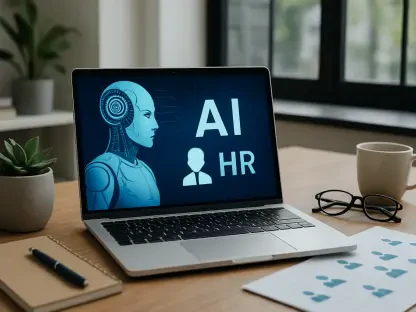
This transformation has been accelerated by several powerful forces. The rapid integration of artificial intelligence into workforce management has automated transactional tasks, freeing HR professionals to focus on higher-value strategic initiatives. Simultaneously, post-pandemic shifts in employee expectations have cemented demands for flexibility and purpose, while persistent talent shortages across key industries have made attracting and retaining skilled individuals a paramount business challenge.
The 2026 Mandate Navigating the Human Centric Shift
Retention by Design Architecting a Culture of Commitment
Effective employee retention has evolved from a series of reactive tactics into a deliberate, integrated strategy embedded within the organization’s operational fabric. Rather than deploying exit interviews and last-minute counteroffers, leading companies now build retention into their culture through consistent and intentional behaviors. This approach views commitment as an outcome of a well-designed employee journey, not a problem to be solved only when it arises.
The foundation of this strategy is absolute clarity. By transparently communicating organizational goals and meticulously illustrating how each individual’s role contributes to the broader vision, businesses foster a powerful sense of purpose and belonging. When employees can see a visible pathway for growth and are provided with robust development opportunities, their motivation to stay and contribute increases exponentially, creating a self-reinforcing cycle of engagement and loyalty.
The Authenticity Advantage Redefining Recruitment as a Relationship
The talent acquisition landscape has firmly settled into a “relationship market,” where the traditional power dynamics between employer and candidate have been replaced by a mutual search for fit and trust. In this environment, authenticity and transparency are the most valuable currencies. Candidates expect a recruitment experience that is personal and human, where they feel seen as individuals rather than processed as applicants.
This human-centric approach is increasingly supported by technology. AI-powered tools are enabling recruiters to look beyond polished resumes and gain deeper insights into a candidate’s inherent strengths, motivations, and potential for growth. Strengths-based assessments and interviews, for example, encourage natural, unscripted responses, giving employers a more accurate picture of how an individual thinks, learns, and adapts. This transforms the hiring process from a short-term transaction into the beginning of a long-term, mutually beneficial partnership.
The Gen Z Effect A New Generation Rewrites the Rules of Work
As Gen Z solidifies its presence in the workforce, its distinct values and expectations are compelling a wholesale reimagining of workplace norms. This generation has effectively challenged legacy structures, from the rigid nine-to-five workday to the necessity of a physical office, making hybrid and flexible arrangements the expected standard rather than a discretionary perk.
Moreover, this demographic is driven by a profound desire for purpose-driven work and alignment with organizational values. To attract and retain this influential cohort, companies must not only articulate their mission but also demonstrate it through their actions. In the face of widening talent gaps, providing clear career progression and robust training opportunities has become a non-negotiable for organizations aiming to remain competitive and build a sustainable talent pipeline.
Navigating the Headwinds Overcoming Barriers to a Resilient Future
Implementing a truly human-centric HR model is not without its obstacles. Significant challenges persist, including resistance from managers accustomed to traditional, command-and-control leadership styles. Furthermore, the cost of investing in the sophisticated technologies required to personalize the employee experience at scale remains a considerable barrier for many organizations.
Beyond these practical hurdles lies the complexity of managing a multi-generational workforce, where the expectations of a Baby Boomer may differ starkly from those of a Gen Z new hire. Bridging these gaps requires nuanced communication and flexible policies. Compounding this is the ongoing difficulty of measuring the return on investment for cultural initiatives and relationship-based strategies, making it challenging to secure sustained executive buy-in.
The Compliance Compass Aligning Authenticity with Governance
The strategic evolution of HR is unfolding within an increasingly complex regulatory landscape. The use of AI in recruitment and talent management is now closely scrutinized under data privacy laws like GDPR and the CCPA, requiring organizations to ensure their automated systems are transparent, fair, and respectful of candidate data rights.
Concurrently, labor laws continue to adapt to new work realities. Evolving regulations concerning hybrid work arrangements, the growing legislative push for pay transparency, and the legal imperative to eliminate bias in automated decision-making systems demand constant vigilance. For HR leaders, navigating this environment means embedding fairness and ethical governance into the very design of their people strategies.
Beyond 2026 The Long Term Evolution of Human Resources
Looking ahead, the trajectory of HR points toward the hyper-personalization of the employee experience. Just as companies tailor products for consumers, they will increasingly customize career paths, benefits, and development plans for individual employees. Well-being, once a peripheral concern, is becoming a core business metric, recognized as a direct driver of productivity and innovation.
In this future state, the role of HR will continue to expand. It will be the primary champion of a continuous learning culture, equipping the workforce with the skills needed to adapt to constant change. Managing a globally distributed, decentralized workforce will become a core competency, as will fostering an organizational culture defined by agility, resilience, and a deep capacity for collaboration.
The Way Forward Embracing Authenticity as a Strategic Imperative
The pivot toward authenticity and resilience has proven to be a defining business necessity. The evidence gathered throughout this period confirmed that organizations that prioritized human connection, transparency, and purpose were better equipped to navigate disruption and retain top talent. This shift was not a temporary trend but a fundamental and permanent realignment of business priorities.
Leaders who successfully guided their organizations through this transition were those who audited their practices against the new standards of a human-centric workplace. They invested heavily in developing empathetic leadership at all levels and strategically leveraged technology to enhance, not replace, the essential human elements of work. Their success provided a clear blueprint for building a resilient enterprise capable of thriving in the years to come.