
The era where pinning a green ribbon to a corporate lapel sufficed as a mental health strategy has officially vanished, replaced by an urgent demand for tangible results and structural integrity. Organizations are finding that while visibility was the goal of the last decade, the current landscape requires a sophisticated shift toward operationalizing wellness. This transition is no longer just a compassionate choice; it is a fundamental requirement for maintaining a competitive edge in a market where talent prioritizes psychological safety as much as salary.
Beyond the Awareness Ribbon: Why Symbolic Gestures Are No Longer Enough
Corporate wellness has undergone a rapid metamorphosis, evolving from a peripheral employee benefit into a central pillar of business strategy. In the past, awareness campaigns were designed to reduce stigma and start conversations, which they achieved with varying degrees of success. However, modern professionals are increasingly skeptical of “well-washing”—the practice of promoting mental health publicly while maintaining high-stress, unsupported environments internally. True advocacy now demands a move toward actionable frameworks that can be measured and refined.
This shift is fueled by the realization that employee retention and productivity are inextricably linked to the psychological climate of the workplace. When a company fails to move beyond passive advocacy, it risks alienating its workforce and falling behind in labor compliance standards. The objective now is to build an ecosystem where mental health is integrated into the daily flow of work, moving away from isolated events and toward a data-driven, continuous support model.
Architecting a Work Environment That Prioritizes Psychological Safety
Decoding Workforce Demographics to Move Past Surface-Level Metrics
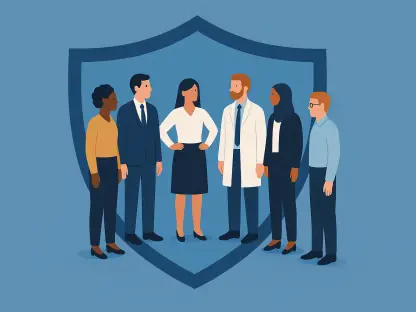
Understanding a workforce requires looking far beyond basic headcount or satisfaction scores. Different generations face distinct pressures that require tailored interventions; for instance, early-career employees often grapple with the anxiety of establishing a professional identity, whereas senior leaders may suffer from the profound isolation that comes with executive responsibility. Identifying these specific stressors allows an organization to move away from generic “one-size-fits-all” approaches that often fail to resonate with anyone.
Furthermore, the modern workplace must account for the unique requirements of neurodivergent individuals and the specific challenges of remote work. Those working from home might experience a blurring of boundaries and social disconnection that office-based colleagues do not share. Balancing universal policies with hyper-personalized support is the new standard, ensuring that every individual feels seen and supported regardless of their role or working location.
Dismantling the Friction Points in Modern Support Pathways
Even the most robust mental health resources are ineffective if they are buried under layers of corporate bureaucracy or hidden behind complex internal portals. Many employees in distress find the process of seeking help so intimidating that they simply give up before receiving care. This “resource graveyard” syndrome occurs when high-quality tools go unused because the path to access them is too steep or the fear of leadership stigma remains too high.
To combat this, forward-thinking businesses are implementing frictionless access points. Utilizing simple tools like QR codes on common area posters, short-form video explainers that demystify the process, and self-referral portals can significantly lower the barrier to entry. When leadership openly models the use of these tools, it creates a cultural “permission” that transforms help-seeking from a hidden burden into a normalized professional action.
Shifting From Generalist Assistance to Specialized Clinical Pathways
The traditional Employee Assistance Program (EAP) is often ill-equipped to handle the complexities of modern mental health challenges. While these programs provide a useful starting point for mild stress, they frequently lack the depth needed for specialized clinical interventions. Companies are now moving toward targeted pathways that address specific, complex presentations, acknowledging that mental health is a multifaceted medical concern rather than a simple HR task.
Adopting a multi-disciplinary approach involves bringing together occupational health experts and external clinical specialists to provide a more holistic support structure. By moving away from generalist counseling, organizations can offer employees access to the exact level of care they need. This specialized focus ensures that support is not just available, but actually effective in resolving the underlying issues that impact an individual’s ability to thrive.
Harnessing Soft Data to Build a Proactive Prevention Engine
Transitioning from reactive crisis management to proactive prevention is perhaps the most significant step an organization can take. By analyzing “soft data”—such as sudden shifts in turnover rates, absenteeism trends, or declining engagement scores—leaders can identify departmental stressors before they escalate into full-scale burnout. This predictive approach allows for targeted interventions in specific teams rather than waiting for a crisis to occur.
Training managers to recognize early warning signs is a cornerstone of this preventative model. When a manager can identify a change in a team member’s behavior early, they can offer support long before the situation requires medical leave. This year-round integration of vigilance and support fosters a more resilient culture than any seasonal awareness campaign could hope to achieve.
Frameworks for Implementation: Turning Strategic Pillars Into Daily Operations
Turning high-level strategy into daily practice requires a unified front between HR, executive leadership, and middle management. It is not enough for the C-suite to endorse wellness; the principles must be modeled by line managers who interact with the workforce every day. Equipping these managers with the right tools—without turning them into therapists—is a delicate but necessary balance. They must know how to signpost help effectively while maintaining professional boundaries.
Operational success also hinges on the ability to share anonymized data across departments. When HR and occupational health teams collaborate, they can build a “joined-up” response that addresses both the physical and psychological needs of the staff. This integrated strategy ensures that every level of the organization is aligned, creating a consistent experience for employees who may be struggling.
The Future of Corporate Longevity Depends on Cultural Integration
Building a mentally healthy environment became the primary driver of sustainable performance and long-term business viability. The companies that thrived were those that realized the “action phase” was not a project with an end date, but a permanent commitment to cultural evolution. By embedding these practices into the DNA of the organization, they secured a significant advantage in attracting and keeping the best talent in a volatile market.
The challenge shifted from explaining why mental health matters to mastering the mechanics of how to support it effectively. Moving forward, the most successful leaders were those who viewed psychological safety as a metric of success equal to financial profit. They moved beyond the rhetoric of the past, ensuring that every operational decision prioritized the well-being of the people who powered the business. This holistic integration proved that a company’s greatest asset is, and always will be, a healthy and supported workforce.