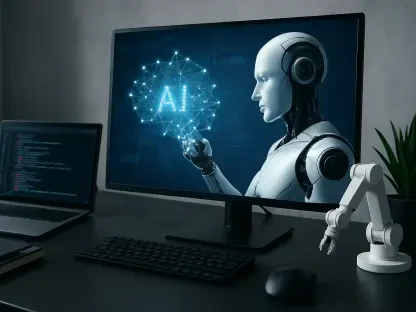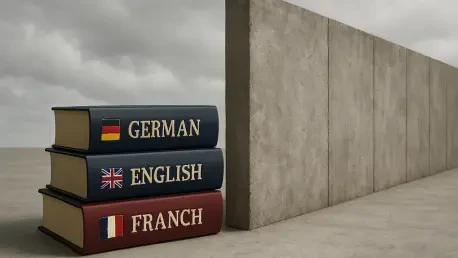

A single misunderstood phrase in a technical support call can spiral into hours of lost productivity, a common reality that multinational corporations have long accepted as an unavoidable cost of doing business across a linguistically diverse workforce. For global enterprises, the challenge of providing equitable and efficient support to employees regardless of their native tongue has persisted, creating silent but significant drains on resources and morale. This is the complex landscape where artificial intelligence is now being deployed, not merely as a translation tool, but as a sophisticated communication bridge designed to dismantle these long-standing barriers for good.
The Lingering Costs of Miscommunication in a Globalized World
In today’s interconnected corporate environment, language diversity is both a valuable asset and a logistical hurdle. Multinational corporations draw talent from every corner of the globe, but this linguistic richness often creates friction within internal support systems. When an employee in one country cannot clearly articulate a technical problem to a help desk agent in another, the consequences ripple outward. Resolution times stretch, frustration mounts, and productivity dips, undermining the very efficiency that global operations are meant to achieve.
This communication gap directly impacts employee satisfaction and the accuracy of technical support. A non-native English speaker, for instance, may struggle to find the precise terminology to describe a complex software issue, leading to misdiagnosis and prolonged troubleshooting. The rising demand for inclusive digital workplaces, where every employee feels understood and effectively supported, has made solving this problem a strategic priority. Companies are now recognizing that a one-language-fits-all approach is no longer sustainable in a world that thrives on global talent.
The Atos and Graia Partnership a New Blueprint for Communication
In response to this challenge, a strategic collaboration between digital transformation leader Atos and AI platform Graia is introducing a new model for workplace communication. The partnership centers on integrating Graia’s advanced generative AI into the Atos Digital Workplace ecosystem, a platform already serving over five million users worldwide. This initiative aims to create a truly multilingual service desk experience where language is no longer an obstacle to effective support.
The core of the technology is a system that provides real-time, bi-directional voice transcription and translation in more than 100 languages. In practice, this allows a service desk agent and an employee to speak and listen in their own native languages during a support call. The AI instantly transcribes what is said, translates it, and delivers it to the other party, creating a seamless and natural conversation flow. This technological leap promises to empower a massive global user base by ensuring every interaction is clear, direct, and efficient.
Beyond Literal Translation to Culturally Aware Communication
A significant advancement of this AI integration lies in its ability to move beyond simple word-for-word translation. The system is designed to understand context and cultural nuance, which are often lost in literal translations and can be critical for effective communication. This deepens the quality of interaction, ensuring that meaning and intent are preserved across different linguistic and cultural backgrounds, preventing the misunderstandings that basic translation tools can create.
To achieve this, the platform includes sophisticated features such as AI-powered prompts that offer agents culturally sensitive phrasing suggestions during a call. This guidance helps agents navigate conversations with greater empathy and appropriateness. Furthermore, the system enhances quality control through automated call scoring and the monitoring of specific keywords, ensuring a consistently high standard of service. For non-native English speakers, this means they can finally articulate complex technical issues with the confidence that they will be fully and accurately understood.
From Reactive Problem Solving to Proactive Experience Building
This technological integration marks a strategic pivot for Atos, moving beyond the traditional role of reactive IT support toward the creation of a proactive and rewarding employee experience. The vision is to transform the service desk from a simple problem-solving function into a cornerstone of a positive and inclusive workplace culture. By eliminating language-related friction, the company aims to foster an environment where technology empowers every employee equally.
This forward-thinking approach has already captured significant market interest. Strong engagement and pilot projects are underway with clients across the finance, healthcare, and retail sectors, validating the demand for such a solution. For these clients, the benefits are clear and compelling. The ability to deliver hyper-localized services not only boosts operational efficiency by accelerating issue resolution but also removes the bottlenecks that have long hindered productivity in their global teams.
The Future of the Multilingual Workplace
The initial implementation of this AI-powered technology is focused on revolutionizing multilingual IT support, but its potential applications extend much further. Looking ahead, there are clear plans to integrate the system into other critical areas of the employee journey, such as creating more inclusive and accessible onboarding processes and delivering personalized training programs that can be understood by employees everywhere, regardless of their primary language.
This model of AI-driven communication stands as a powerful blueprint for the future of work. By empowering diverse global teams to collaborate without linguistic constraints, such technology reshapes corporate culture into one that is more unified, equitable, and innovative. The successful integration of these systems did not just solve a technical problem; it fostered a more connected and understanding global workplace where every voice could be heard with clarity.