
The transition from a ‘townie’ lifestyle back to the mountain tracking skills of her youth allowed Nicky Merrett to design a curriculum rooted in authentic wilderness expertise. For those navigating the relentless pace of corporate life in 2026, the rugged terrain of the Lake District offers more than just a scenic backdrop; it serves as a transformative workspace where the principles of legendary hiker Alfred Wainwright are put into daily practice. Hiking Highs has moved beyond the scope of a standard guiding service, positioning itself as a vital architect of personal and professional resilience. By leveraging the natural majesty of the fells, the enterprise facilitates a profound reconnection with the environment that modern urban living often obscures. This methodology is grounded in the belief that the physical challenge of ascending a peak provides essential restorative benefits for both the mind and the body, creating a foundation for lasting change in how individuals interact within high-stakes professional environments.
Expert Leadership and Local Pedigree
The operational success of the company is fundamentally tied to the exceptional caliber of its staff, which currently includes a team of twelve highly qualified mountain leaders. This is not merely a group of outdoor enthusiasts but a collection of high-level professionals and recognized local authorities who bring a deep sense of pedigree to every expedition. For instance, the involvement of Richard Leafe, the former Chief Executive of the Lake District National Park Authority, provides participants with an unparalleled perspective on land management and conservation. Similarly, Zac Poulton, a specialized felltop assessor, offers technical insights into the ever-changing mountain environment. By employing active mountain rescue members and published outdoor authors, Merrett ensures that every excursion is grounded in deep local knowledge and rigorous safety expertise. This concentration of talent transforms a simple hike into an educational journey through Cumbrian history.
This high standard of professional expertise allows the organization to offer a level of service that significantly transcends standard commercial tourism. Clients are not merely walking a predetermined trail; they are engaging with the complex ecology and history of the landscape under the guidance of individuals who have spent their lives protecting and studying these peaks. This commitment to authority and authenticity has established the company as a preferred provider for prestigious international travel firms like Abercrombie and Kent and Miki Travel. For global visitors arriving in 2026, the assurance of safety and deep localized insight is paramount when navigating the rugged terrain of northern England. By bridging the gap between recreational walking and professional mountain craft, the team fosters an environment where guests feel empowered to explore their physical limits while gaining a sophisticated understanding of the unique wilderness they are traversing.
Strategic Integration With Regional Tourism
Strategic integration with the existing tourism infrastructure of Cumbria has been a cornerstone of the company’s expansion strategy. Merrett has skillfully woven her operations into the fabric of the region by collaborating with iconic local attractions such as the Ullswater Steamers and the Ravenglass and Eskdale Railway. These partnerships allow for the creation of multi-day packages that provide a holistic experience of the Lake District, combining traditional transport with rigorous physical activity. A particularly poignant example of this integration is the collaboration with Dalemain Estates for red deer tracking hikes. This project represents a personal full circle for Merrett, as she now leads groups across the very lands where she first learned the intricate art of wildlife tracking from her father. Such programs do more than just showcase the scenery; they preserve and pass on traditional skills that are increasingly rare in a technologically dominated society.
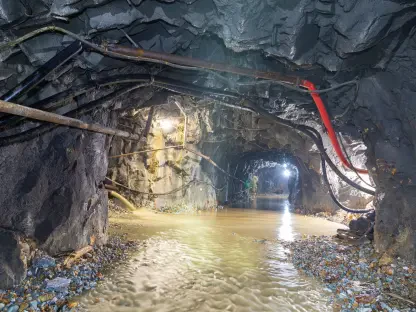
Beyond traditional hiking, the enterprise bridges the gap between leisure walking and high-adrenaline adventure through its partnership with the Honister Slate Mine. This collaboration allows participants to combine technical challenges, such as navigating the Via Ferrata—where climbers use metal cables and ladders to scale crags—with guided treks to famous summits like Scafell Pike or Haystacks. This multifaceted approach ensures that the business remains a central player in the regional economy while providing clients with diverse ways to engage with the natural environment. By offering a spectrum of activities that range from meditative nature walks to intense physical climbs, the company caters to a wide demographic of visitors. This strategic versatility helps to stabilize the local tourism sector by encouraging longer stays and deeper engagement with the unique geological and industrial heritage of the Cumbrian fells, proving that nature and commerce can coexist.
A Revolutionary Approach to Corporate Development
The “Building Teams, Not Team Building” philosophy distinguishes this enterprise from traditional corporate retreat providers who often rely on forced icebreakers and artificial office exercises. Merrett’s methodology is based on an organic process triggered by the mountain environment itself, starting with a mandatory digital detox. In an era where professional life is dominated by constant connectivity, requiring participants to relinquish their smartphones is a radical but necessary step. This removal of technology eliminates the distractions of the office and forces genuine human interaction, creating a foundation for authentic communication that is rarely achieved in a modern boardroom. Without the safety net of a screen, individuals are forced to look at their colleagues and engage in real-time problem-solving. This shift in focus allows for a more profound level of social engagement, where the silence of the mountains provides the space for meaningful dialogue.
As corporate teams ascend the fells, the physical challenge naturally flattens rigid professional hierarchies and dissolves carefully maintained social personas. Physical exertion acts as a catalyst for emotional openness; as blood vessels open during a climb, participants tend to become more communicative and honest. This physiological response leads to more vulnerable conversations, allowing colleagues to see the human being behind the job title. The uneven terrain and steep drops of the Lake District act as natural facilitators for peer support, as individuals must rely on one another to navigate difficult sections of the trail. This environment encourages colleagues to recognize each other’s diverse strengths and builds a culture of mutual reliance that translates directly back to the workplace. The result is a team that has not just played a game, but has shared a legitimate physical achievement, forging bonds that are tempered by the reality of the mountain.
Physiological Restoration and Future Growth
Beyond the social and organizational benefits, the program emphasizes the biological importance of “rebalancing” the human body through movement on natural, uneven ground. Modern lifestyle habits, characterized by walking on flat tarmac and sitting for extended periods, have systematically degraded the human body’s natural stabilization systems. By re-engaging these physical mechanics on the rocky paths of the Cumbrian fells, the program seeks to correct these imbalances. This physical grounding is believed to have a direct positive impact on brain function, as the brain must work harder to process the sensory input from varied terrain. The goal is to provide participants with a sense of “quiet confidence,” helping them overcome the initial nervousness of being in a wild environment. This empowerment stays with the participants long after they descend, providing them with a renewed sense of physical agency and mental clarity that can be applied to their daily lives.
Looking toward the future, the company intends to deepen its connections with local hotel groups and continue its focus on relationship-based marketing strategies. While maintaining a presence on digital platforms is necessary, the primary growth driver remains face-to-face networking and collaboration through organizations like Cumbria Tourism and the Ullswater Association. The business successfully served as a vital link between the modern professional world and the timeless, restorative power of the fells. In the coming months, leaders should consider how they can integrate these outdoor principles into their internal cultures by scheduling regular periods of technology-free collaboration. Organizations that prioritize physical movement and environmental reconnection will likely see higher rates of employee retention and creative output. Ultimately, the success of this model proved that the most effective way to build a resilient team is to step out of the office and into the wild.