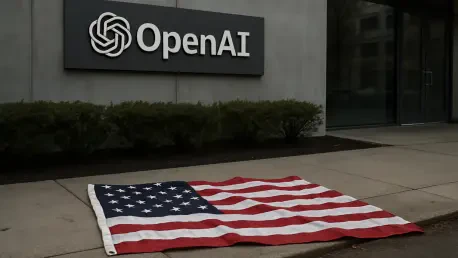

Understanding the Department of Justice Settlement and the Stakes for Domestic Talent
The recent three point two million dollar settlement between the U.S. Department of Justice and OpenAI OpCo LLC marks a pivotal moment in the intersection of high-tech growth and federal labor protection. This case highlights the friction between Silicon Valley’s recruitment needs and the legal requirement to prioritize the local workforce. By investigating these practices, authorities have signaled that corporate expansion cannot bypass domestic protections.
Federal investigators concluded that OpenAI and its subsidiary intentionally bypassed American job seekers in favor of foreign nationals to streamline residency sponsorships. This settlement is significant because it addresses the systemic exclusion of qualified workers in one of the most influential sectors of the economy. This roundup explores the tactics used to sideline domestic talent and the broader implications for the American labor market.
Decoding the Tactics of Systematic Hiring Exclusion
The DOJ uncovered systematic hiring barriers designed to favor visa-dependent employees over qualified local candidates. Industry analysts observe that these tactics suggest a calculated effort to fulfill the letter of the law while ensuring no American worker would actually secure the positions. This approach allowed firms to maintain a pipeline of specific foreign talent without facing local competition.
This exclusion was not a result of simple administrative oversight but appeared to be a strategic move to manage labor mobility. By prioritizing foreign talent, the firms allegedly compromised the integrity of fair recruitment within the tech industry. This dynamic underscores a troubling trend where corporate convenience is placed above the professional opportunities of the local public.
Strategic Barriers: From Snail Mail Requirements to Midnight Radio Advertisements
OpenAI reportedly forced domestic applicants for certain roles to submit their resumes via physical mail while utilizing digital portals for all other positions. This physical requirement acted as a significant deterrent in an industry where digital efficiency is the expected norm. Such “snail mail” hurdles effectively discouraged modern tech professionals from completing the application process.
To further obscure these opportunities, the company allegedly refrained from posting openings on its official website, opting for late-night radio advertisements instead. These ads were broadcast during hours when listenership is at its lowest, ensuring that notification requirements were technically met without actually attracting candidates. These stealth tactics were designed to fulfill legal mandates while effectively hiding the jobs.
The Exploitation of the PERM Program: How Recruitment Loopholes Were Manipulated
The Permanent Labor Certification process is intended to protect local jobs by requiring proof that no domestic workers are available. OpenAI allegedly treated this requirement as a mere bureaucratic formality rather than a good-faith search for American talent. By creating artificial friction for local applicants, the company could claim that no qualified U.S. workers were found.
By manipulating these loopholes, the firms cleared a path for their preferred foreign candidates. Legal experts suggest this approach undermined the purpose of labor certification and disadvantaged qualified domestic professionals. This case highlights how the immigration system can be exploited to favor employees with less bargaining power over the local workforce.
Federal Enforcement Trends and the “Protecting U.S. Workers Initiative”
This enforcement action is a cornerstone of the DOJ’s revitalized initiative targeting hiring practices that favor visa holders over domestic talent