
The transformation of the United Arab Emirates from a regional commerce hub into a global leader in labor rights reflects a profound shift in how modern economies perceive the value of their workforce as a primary engine for sustainable economic development. By 2026, the nation has successfully synthesized sophisticated legislative frameworks with advanced technological monitoring to ensure that the private sector operates within a paradigm of safety and equity. This evolution is not merely a response to international pressure but a strategic initiative designed to attract high-caliber talent from across the globe while fostering a stable environment for long-term investment. By prioritizing the holistic health and economic stability of millions of expatriate workers, the UAE has effectively transitioned toward a model of human capital management that emphasizes resilience. This approach balances the demands of rapid industrial growth with the moral and social imperatives of protecting the individuals who contribute to the national narrative, ensuring that progress remains both inclusive and sustainable for all.
Combating Climatic Challenges
Strategic Outdoor Labor Protections
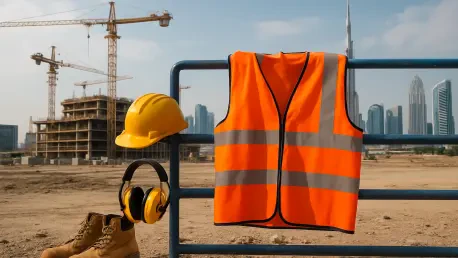
The implementation of the Midday Break Policy has reached a significant milestone, representing over two decades of commitment to safeguarding outdoor workers from the region’s extreme summer conditions. Between the months of June and September, all outdoor labor is strictly prohibited during the peak thermal hours, a mandate that has become a non-negotiable standard within the construction and industrial sectors. This policy is rigorously enforced by the Ministry of Human Resources and Emiratization, which utilizes a combination of field inspections and smart monitoring technologies to ensure universal compliance across all seven emirates. By institutionalizing these breaks, the government has drastically reduced the incidence of heat-related illnesses and occupational exhaustion, demonstrating that the health of the individual is paramount to the speed of development. The consistency of this regulatory framework has allowed companies to plan their operational schedules with precision, integrating safety into their core logistics and ensuring that productivity is maintained without compromising worker welfare.
Implementation of Climate-Controlled Infrastructure
Building upon the legislative success of seasonal breaks, the public and private sectors have collaborated to establish a vast infrastructure of climate-controlled rest stations designed to serve as sanctuaries for mobile and outdoor laborers. These facilities, numbering more than 12,000 nationwide, are strategically located in high-traffic urban areas and industrial zones, providing essential amenities such as cooling systems, hydration points, and ergonomic seating. For delivery riders and manual laborers, these stations offer a critical space to recuperate from physical exertion and environmental stress, effectively bridging the gap between work requirements and human biological needs. This initiative reflects a broader philosophy of humane urbanism, where the design of a city actively considers the wellbeing of the people who build and maintain its essential services. By embedding these rest areas into the nation’s logistical network, the UAE has created a sustainable model for urban labor management that prioritizes physical recovery, thereby enhancing the overall efficiency and longevity of the workforce in a challenging desert climate.
Financial Transparency and Digital Accountability
Wage Protection Systems and Digital Monitoring
Digitalization has fundamentally transformed the financial relationship between employers and employees through the maturation of the Wage Protection System, which serves as a transparent ledger for all private-sector salary transactions. By 2026, the UAE has moved toward a highly synchronized payroll calendar, establishing the first day of every month as the definitive deadline for wage disbursements across all registered companies. This system provides the government with real-time visibility into financial flows, allowing for the immediate identification of payment delays or discrepancies before they escalate into labor disputes. By mandating that all salaries be paid through approved financial institutions, the state has eliminated the risks associated with cash-based transactions and informal payment structures that historically left workers vulnerable. The near-universal adoption of this digital framework has instilled a high degree of trust within the labor market, ensuring that every individual, regardless of their professional rank, receives their full compensation accurately and on time, thereby securing their financial foundation and peace of mind.
Economic Safety Nets and Insurance Programs
To complement the direct protection of wages, the UAE has introduced comprehensive economic safety nets that provide an unprecedented level of security for the expatriate workforce during times of transition or hardship. The Workers’ Insurance Program and the Unemployment Insurance Scheme now function as dual pillars of financial stability, offering critical payouts to employees who face workplace injuries or involuntary job loss. These insurance products are designed to be easily accessible through digital platforms, ensuring that the claims process is streamlined and that funds reach beneficiaries without unnecessary bureaucratic delays. Since their inception, these programs have distributed hundreds of millions of dirhams, effectively mitigating the financial shock that often accompanies career interruptions. By decoupling an individual’s economic survival from a single employer, these reforms have empowered workers with a sense of autonomy and resilience. This proactive approach to economic safety not only protects the personal interests of the workforce but also contributes to the overall stability of the national economy by maintaining consumer confidence and social order.
Enhancing the Social and Residential Fabric
Social Integration and Cultural Community Programs
The promotion of holistic wellbeing extends beyond physical safety and financial security to include the social and emotional integration of the workforce into the vibrant cultural life of the UAE. Through large-scale humanitarian initiatives and communal celebrations, the government actively works to reduce the sense of isolation that can affect expatriates living far from their home countries. Programs such as communal iftars during Ramadan and festival gatherings during Eid are organized to honor the diverse cultural backgrounds of the workers and to celebrate their essential contributions to the nation’s growth. These events often include recreational activities, sports competitions, and health screenings, creating a multi-dimensional support system that addresses the total health of the individual. By fostering a sense of belonging and community, the UAE acknowledges that a happy and socially connected workforce is more productive and resilient. This focus on emotional health reinforces the idea that labor is not merely a resource to be managed but a community of individuals whose social happiness is vital to the country’s long-term prosperity and social harmony.
Regulatory Standards for Worker Accommodations
The standard of residential life for employees has seen a dramatic improvement through the implementation of a rigorous housing regulatory framework that mandates high-quality living conditions for millions. The Ministry’s workers’ housing system requires all labor accommodations to meet strict health, safety, and hygiene standards before they can be officially registered and occupied. Regular inspections are conducted to ensure that facilities provide adequate space, proper ventilation, and access to essential services, moving the industry away from substandard communal living toward modern residential environments. Companies that fail to comply with these regulations face significant penalties, ensuring that the commitment to worker dignity is backed by robust legal enforcement. This systematic approach to housing ensures that workers have a safe and comfortable environment to rest and recharge, which is directly linked to their physical health and workplace performance. By treating residential quality as a fundamental right, the UAE has set a new regional benchmark for how industrial and construction workforces are housed, emphasizing that dignity is a prerequisite for any modern labor market.
Global Alignment and Labor Education
Legal Empowerment and Language-Based Orientation
Education and legal literacy are central to the UAE’s strategy for preventing exploitation and empowering its diverse workforce with the knowledge necessary to navigate their rights and responsibilities. Mandatory orientation programs have been expanded to include 17 different languages, ensuring that the vast majority of expatriate workers can access information in their native tongue. These sessions cover a wide range of topics, including labor laws, occupational safety protocols, and the specific procedures for filing complaints or resolving disputes through official government channels. By educating workers before they even arrive in the country or during their initial onboarding, the state ensures that every individual is aware of the legal protections available to them. This proactive communication strategy reduces the power imbalance between employers and employees, creating a more transparent and equitable working environment. When workers are informed, they are better equipped to protect themselves from unethical practices, contributing to a self-regulating labor market where compliance is the norm rather than the exception.
International Compliance and Ethical Recruitment
On the international stage, the UAE has aligned its labor reforms with the best practices established by the International Labour Organization to ensure that its domestic policies meet global ethical standards. This alignment involves a comprehensive evaluation of the entire employment cycle, from initial recruitment in home countries to the final repatriation process, with a focus on eliminating unethical fees and ensuring equality of treatment. By participating in global labor dialogues and hosting international summits, the UAE has positioned itself as a thought leader in labor market reform, particularly for nations that rely heavily on expatriate workforces. The transparency of the country’s legal framework and its willingness to undergo external assessments have strengthened its reputation as a fair and secure destination for international talent. This commitment to global standards not only benefits the individual worker but also enhances the country’s competitive edge in the global economy. By adhering to international norms, the UAE demonstrates that its pursuit of economic excellence is inseparable from its dedication to human rights and the ethical treatment of labor.
Strategic Evolution and Future Sustainability
The comprehensive transformation of the UAE’s labor landscape demonstrated that economic prosperity and worker wellbeing were not mutually exclusive goals but were, in fact, deeply interdependent. By 2026, the government successfully integrated digital accountability, climate safety, and social inclusion into a single, cohesive framework that reshaped the lives of millions. Moving forward, the next logical step for the private sector involves transitioning from basic compliance to the adoption of advanced wellness technologies that can predict health risks before they manifest. For businesses operating in this environment, investing in high-quality housing and mental health support became a strategic advantage for talent retention. As the nation looked toward the period from 2026 to 2028, the focus shifted toward refining these systems through data-driven insights and fostering deeper cultural integration. The lessons learned during this period of reform provided a blueprint for other global economies, proving that a resilient workforce was built on the foundations of financial security, physical protection, and human dignity.