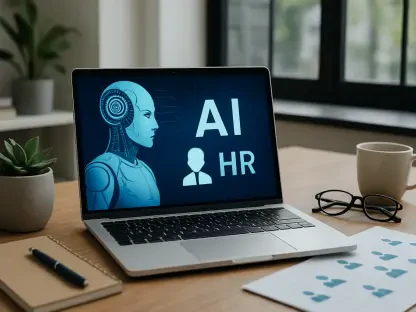

The persistent challenge of low employee engagement is no longer being addressed with periodic surveys and superficial perks; instead, it is being systematically dismantled by the deep integration of artificial intelligence into the core of the workplace. For years, organizations have grappled with the reality that fragmented systems and manual administrative burdens create friction that erodes morale and productivity. Today, technology is no longer a peripheral tool but the central nervous system of the modern organization. With global employee engagement hovering at a concerningly low level, the strategic application of AI-powered technologies has become the definitive force in shaping daily work life. This shift is not a distant forecast but a present reality, fundamentally altering how organizations create supportive, seamless, and responsive environments that foster satisfaction and drive retention throughout the entire employee lifecycle.
A New Foundation for the Employee Journey
The critical first days of an employee’s tenure, which significantly influence long-term retention, have been transformed from a manual, often inconsistent process into a standardized and automated experience. AI-powered virtual assistants now execute a series of predefined actions that ensure every new hire receives a comprehensive and timely welcome. This includes automatically granting IT system access, enrolling them in benefits programs, and assigning mandatory training modules with intelligent reminders. This level of automation eliminates human error and makes the onboarding process feel meticulously organized and supportive. Consequently, new hires who undergo an AI-assisted onboarding are significantly more likely to remain with their company beyond the first year. This same intelligence applies to offboarding, where AI manages the systematic revocation of access and guides departing employees through exit procedures, ensuring a secure and professional transition.
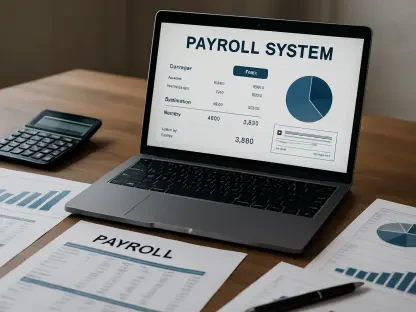
The daily friction caused by navigating a maze of disconnected applications is a significant drain on productivity and a major source of employee frustration. AI now serves as an intelligent bridge between previously siloed systems, including ITSM, HRIS, and various project management tools, facilitating a smooth and automatic flow of information. An action initiated in one system, such as a promotion recorded in an HR platform, can automatically trigger corresponding updates across the organization’s digital ecosystem. This could mean updating IT systems with new access permissions while simultaneously alerting the payroll system to adjust salary information. This integration creates a seamless operational environment where technology works silently in the background, eliminating the need for manual data transfer and allowing processes to move forward without the bottlenecks that once defined cross-departmental workflows.
Redefining Support and Daily Operations
Routine administrative requests, from paid time off to expense reports, once created significant backlogs and consumed valuable time for both employees and managers. Intelligent automation platforms have elevated modern HR software by handling these repetitive tasks with autonomy and precision. By interpreting established company policies and analyzing historical data, these AI tools can approve or flag standard requests without requiring constant human intervention. This shift has dramatically reduced waiting times for employees, allowing critical processes to advance without interruption. As a result, employees benefit from faster, more consistent responses, and HR and management teams are liberated from administrative minutiae, enabling them to concentrate on more strategic, complex issues that demand human judgment and expertise. This streamlined approval process is a cornerstone of an efficient and responsive work environment.
A fundamental transformation is occurring in employee communication, moving from a reactive support model to one of proactive and personalized engagement. AI tools now anticipate employee needs and deliver timely, relevant information before a request is even made. For instance, an AI assistant can send a personalized reminder to a new hire to complete their benefits enrollment before a deadline or notify a team about an upcoming compliance training requirement. More advanced, agent-based AI systems offer personalized developmental suggestions by analyzing an employee’s role, performance history, and recent system interactions. The AI can recommend relevant training courses to foster skill development and even act on these recommendations by automatically enrolling an interested employee. This proactive guidance ensures employees do not miss critical tasks and feel continuously supported in their professional journey.
Empowering a Global and Autonomous Workforce
In an increasingly distributed global workforce, providing equitable and immediate support across different time zones and languages has been a persistent challenge. While early chatbots offered a basic form of 24/7 assistance, their pre-scripted, limited capabilities often fell short. Modern AI assistants represent a far more sophisticated solution. These agentic tools are capable of understanding and responding in multiple languages in real time, adapting their communication style to the user’s preferred language. This capability ensures that all employees, regardless of their location or linguistic background, can receive immediate and effective assistance whenever they need it. Access to such inclusive and readily available support has become a powerful driver of both productivity and overall job satisfaction, fostering a sense of belonging across the entire organization.
The evolution of employee self-service has moved beyond static FAQ pages and internal knowledge bases, which often fail to address complex, role-specific, or regional issues. AI-driven self-service tools now offer a dynamic and highly personalized experience, capable of handling a significant percentage of all HR-related inquiries. These systems access a vast repository of information and tailor their responses based on the specific context of the employee—their role, department, location, and even their previous inquiries. Instead of sifting through irrelevant documents or waiting in a queue for a support agent, employees receive clear, relevant, and immediate answers. This shift empowers them to resolve issues independently and efficiently, fostering a culture of autonomy and reducing the burden on dedicated support teams.
The Measured Impact of Intelligent Integration
Understanding the nuances of the employee experience became possible through a more dynamic and continuous method for gathering insights. By analyzing real-time data from support requests, system usage patterns, and interactions with AI assistants, organizations identified recurring problems and friction points as they arose. This data allowed HR and leadership teams to spot negative trends early, such as a high volume of questions surrounding a new policy or technical difficulties with a specific software platform. Intervening proactively, before these issues could escalate into larger problems that damaged morale and engagement, became standard practice. This data-driven approach allowed for constant, iterative improvements to the work environment, ensuring that the employee experience remained a top priority supported by actionable intelligence rather than infrequent, retrospective surveys.