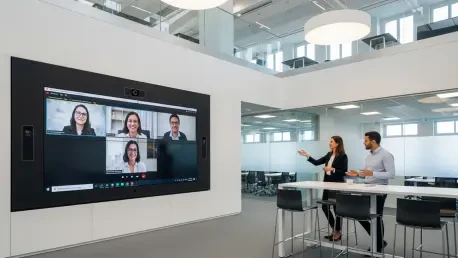

The erosion of spontaneous social interaction in modern corporate structures has created a profound psychological distance that technology alone cannot bridge without intentional intervention. As organizations solidified their transition to remote and hybrid models through 2026, the once-reliable “water cooler” moments that fostered trust and mutual understanding effectively vanished from the daily routine. This shift left many professionals feeling like isolated components within a massive digital machine rather than vital members of a collaborative unit. Without the natural buffer of casual desk-side chats or shared lunches, professional relationships can quickly become purely transactional, leading to a decline in morale and a rise in miscommunication. To combat this fragmentation, forward-thinking leaders have begun implementing structured, brief social interactions designed to restore the human element. These interventions serve as a bridge, ensuring that the social fabric of a team remains intact.
Tactical Design: Strategic Integration of Brief Engagement Models
Effective quick team-building is defined by its strategic brevity and an exceptionally low barrier to entry for participants, usually spanning between five and twenty minutes. These micro-exercises are intentionally engineered to fit seamlessly into the existing flow of a standard workday, often serving as a mental reset at the start of a departmental meeting or a brief interlude during high-pressure sprints. By keeping these activities short, organizations ensure they do not become a time-consuming burden that employees grow to resent. The success of such a framework depends on clear objectives and simple rules that foster a low-pressure environment where individuals feel comfortable and relaxed rather than scrutinized. When a team spends ten minutes solving a low-stakes riddle or sharing a professional win, they are not just killing time; they are actively recalibrating their social connections to handle the complexities of their actual work. This approach respects the limited bandwidth.
These micro-interactions directly improve professional communication by offering a safe, low-stakes environment to practice essential soft skills like active listening and context interpretation. In a digital environment where communication relies heavily on text and video, messages are often stripped of their non-verbal cues, making them highly susceptible to misinterpretation or unintended hostility. Small social puzzles or collaborative brainstorming sessions help team members learn how their colleagues process information and explain complex ideas before a crisis occurs. This proactive practice significantly reduces the risk of costly errors and misunderstandings when the team eventually moves on to high-stakes projects requiring flawless coordination. By understanding the linguistic quirks and cognitive styles of their peers through these brief activities, employees build a shared vocabulary that facilitates smoother operations. Ultimately, these moments of connection serve as a rehearsal.
Inclusive Dynamics: Equitable Participation in Hybrid Environments
Hybrid work models often inadvertently create a “two-tier” experience where in-office employees dominate the conversation while remote staff remain passive observers of the group dynamic. This imbalance can lead to a sense of exclusion among remote workers, which eventually erodes their commitment to the organization and its collective goals. To solve this systemic issue, managers have prioritized “virtual-first” activities that utilize sophisticated digital tools like interactive polls, breakout rooms, and shared whiteboards. This approach levels the playing field by ensuring that every team member, regardless of their physical location, has an equal opportunity to participate and feel visible within the organizational structure. When the default mode of engagement is digital, the geographical distance between a headquarters and a home office becomes irrelevant to the social health of the team. Leaders who master these tools can create a cohesive culture that transcends physical boundaries.
Choosing the right activity requires a diagnostic approach based on the specific needs, current energy levels, and overall maturity of the team in question. For instance, newly formed groups might benefit most from simple icebreakers that build basic familiarity and break down formal barriers, whereas established teams facing heavy workloads may require high-energy games to lift their spirits during a slump. By matching the exercise to the current team dynamic, leaders can turn what might have been a routine and uninspired video call into a meaningful moment of connection that serves a specific cultural purpose. This level of intentionality prevents team-building from feeling like a generic HR requirement and instead positions it as a responsive tool for maintaining peak operational performance. Managers must remain observant of the emotional climate of their teams, adjusting the complexity and tone of these sessions to provide either the comfort or the challenge that is most needed.
Cultural Sustainability: Cultivating Psychological Safety and Resilience
Managers must be careful to avoid the common trap of “forced fun,” which can quickly lead to meeting fatigue and genuine resentment if the underlying purpose of the activity is unclear. The primary goal is to foster “purposeful fun” that respects different time zones, cultural backgrounds, and existing workloads while emphasizing consistency over sheer volume. A short, five-minute weekly check-in or a collaborative “wins” board is often more valuable for building long-term psychological safety than a single, long-form event held only once a year. When employees understand that these activities are meant to support their well-being and collaborative capacity, they are far more likely to engage authentically. Consistency creates a predictable rhythm that signals to the team that their interpersonal relationships are a priority for the organization. This steady investment in the human side of business ensures that when challenges arise, the team has a foundation of mutual respect.
Beyond simply boosting spirits, these frequent activities supported significant business goals like employee retention and collaborative problem-solving throughout the transition period. Teams that practiced working together on low-stakes tasks proved to be better equipped to handle complex challenges and navigate tight deadlines with a higher degree of mutual trust. Leaders who moved away from rigid, infrequent bonding events in favor of these agile, micro-interactions successfully built a resilient remote culture that made employees feel truly valued by their peers. To move forward, organizations recognized the need to audit their current digital engagement strategies and implement a rotating schedule of diverse, short-form social exercises. The focus shifted toward empowering individual team members to lead these sessions, which distributed the responsibility of culture-building and fostered a sense of ownership across the entire department. This decentralized approach worked well.