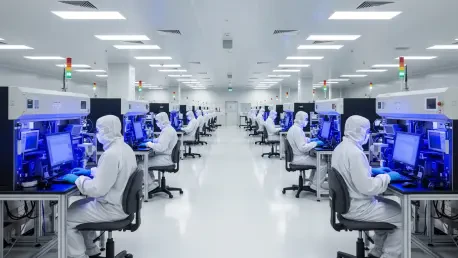

The global semiconductor industry has reached a pivotal moment of transformation as Samsung Electronics finalized an unprecedented labor agreement totaling $26.6 billion for its semiconductor division. This monumental investment in human capital represents a paradigm shift in how major technology corporations navigate the increasingly complex intersection of labor rights, industrial output, and competitive edge. By committing such a massive sum over the next ten years, the organization is effectively prioritizing workforce longevity over short-term quarterly gains, recognizing that the specialized skills required for advanced chip fabrication are becoming the most valuable currency in the modern economy. This historic framework not only secures the loyalty of tens of thousands of highly trained engineers and technicians but also serves as a strategic defensive wall against the volatility that has plagued global supply chains recently. As the demand for high-performance computing surges, this deal ensures that the bedrock of the digital world remains structurally sound and operational.
Long-Term Financial Security and Employee Retention
At the heart of this comprehensive agreement lies a meticulously designed ten-year profit-sharing model that effectively synchronizes individual employee earnings with the overarching commercial performance of the company. Under the specific terms of the deal, qualified staff members are projected to receive cumulative compensation packages ranging from three hundred forty thousand to four hundred thousand dollars per person over the decade, contingent upon the achievement of rigorous operational and financial benchmarks. This structure does more than just provide a paycheck; it creates a powerful incentive for the workforce to maintain the highest standards of manufacturing precision and efficiency. By ensuring that employees directly benefit from the company’s profitability, the management team has created a self-sustaining ecosystem of motivation. This approach acknowledges that in the high-stakes world of semiconductor manufacturing, the difference between market leadership and obsolescence often depends on the diligence of those on the production floor.
To further cement the bond between the corporation and its employees, the payout mechanism integrates immediate cash distributions with long-term stock-based incentives, effectively turning every eligible worker into a shareholder. This hybrid compensation strategy is a sophisticated tool for retention, as it gives the workforce a vested interest in the long-term appreciation of the company’s market valuation rather than just immediate gains. By transforming the labor force into a collective of owners, the deal significantly reduces the likelihood of top-tier talent being lured away by rival firms or emerging startups. This focus on equity participation encourages a culture of shared responsibility, where the long-term health of the organization becomes a personal priority for every technician. This model illustrates a growing trend among industry leaders who realize that financial alignment is the most effective way to foster a stable and dedicated workforce capable of navigating the rapid cycles of the technology market without losing focus on quality control.
Safeguarding the Global Supply of Critical Components
The strategic significance of this agreement extends far beyond the company’s internal payroll, acting as a critical safeguard for the international supply chain of essential components like DRAM and NAND flash memory. These sophisticated chips serve as the fundamental building blocks for nearly every modern digital device, from the latest smartphones to the massive data centers that power cloud computing and artificial intelligence. By resolving labor disputes through this multi-billion dollar commitment, the company has ensured that its high-tech fabrication plants can continue to operate at maximum capacity without the looming threat of industrial action. A single day of downtime in these highly specialized facilities can lead to millions of dollars in losses and cause ripple effects that disrupt product launches and infrastructure projects across the entire globe. Consequently, this labor deal is being viewed by industry analysts as a stabilizing force that provides much-needed predictability for hardware manufacturers who rely on consistent chip deliveries.
In a landscape where national governments are increasingly focused on achieving chip sovereignty and securing domestic tech supply chains, the continuous operation of these facilities has become a matter of geopolitical and economic security. Any significant pause in production at a primary fabrication site could lead to localized shortages that quickly escalate into global crises, affecting industries ranging from automotive manufacturing to medical device production. By securing a full decade of guaranteed labor peace, the organization has mitigated one of the most unpredictable risks in the manufacturing sector: internal labor unrest. This proactive management allows the company to maintain its relentless schedule of technological transitions, ensuring that the next generation of advanced logic components and memory solutions reach the market on time. This stability is vital for maintaining the trust of global partners who require absolute reliability in their supply chains to meet their own aggressive development goals and satisfy the constant hunger for faster, more efficient processing power.
Redefining Labor Relations in the High-Tech Sector
This landmark deal directly confronts the escalating global competition for the specialized engineering talent required to operate and optimize modern semiconductor manufacturing environments. As the global economy continues to be reshaped by AI-driven technologies and autonomous systems, the demand for individuals with the rare skill sets needed to manage these complex processes has reached an all-time high. The agreement is a formal acknowledgment from executive leadership that human capital is every bit as essential to the production process as the multi-billion dollar lithography machines and cleanroom environments. By offering such a lucrative and long-term package, the company is effectively raising the stakes in the ongoing talent war, signaling to the labor market that it is willing to pay a premium for stability and expertise. This shift reflects a broader understanding that the most significant bottleneck in technological advancement is no longer just the physics of hardware, but the availability of the people who can innovate within those physical constraints.
Furthermore, the resolution of these negotiations marks a significant departure from traditional, often adversarial, management-labor relations toward a more collaborative and outcome-oriented bargaining framework. The decision to propose and implement such an expansive financial package suggests that the leadership now views labor stability as a core business asset that requires proactive investment rather than a cost that must be minimized. This evolution in corporate philosophy highlights the increasing leverage held by skilled workers in high-tech sectors where the cost of replacing an experienced engineer can often exceed their annual salary. By opting for a generous peace treaty rather than a prolonged legal or industrial battle, the company has avoided the intangible costs of low morale and high turnover that often follow labor disputes. This move sets a new precedent for how technology giants should interact with organized labor groups, prioritizing mutual growth and long-term partnership over the short-term benefits of more rigid, top-down management styles.
Industry Benchmarks and Forward-Looking Operational Stability
The ripple effects of this historic deal are likely to be felt throughout the entire semiconductor ecosystem, potentially forcing rival manufacturers to re-evaluate their own compensation structures to remain competitive. As other major players in the market observe the stability and loyalty this agreement fosters, they may find themselves under pressure to match or exceed these terms to prevent their own specialized workforces from seeking opportunities with the market leader. For the investment community, this agreement provides a refreshing sense of clarity and predictability regarding future operational costs and production reliability. Knowing that labor relations are secured for the next decade allows shareholders to focus on the company’s technological roadmap and expansion plans rather than worrying about sudden work stoppages. By removing labor volatility from the equation, the organization has cleared a significant hurdle to its continued growth, reinforcing its reputation as a dependable supplier in an industry that is often defined by its unpredictability and rapid change.
The successful implementation of this ten-year framework established a vital blueprint for how the high-tech industry must evolve to meet the challenges of the late twenty-twenties. Leaders across the sector recognized that the path forward required a fundamental transition toward a talent-first culture where continuous education and equity-based compensation were no longer optional perks but strategic necessities. To capitalize on this new stability, the organization accelerated its investment in workforce development programs, ensuring that its employees were equipped to manage the next wave of fabrication technologies. This shift encouraged other global entities to adopt similar transparent, performance-linked pay models, which ultimately stabilized the broader technology market. By prioritizing the human element of production, the industry moved away from reactive crisis management toward a more sustainable and predictive model of growth. These actions proved that long-term financial commitments to labor could drive innovation more effectively than traditional cost-cutting measures, ensuring that the global digital infrastructure remained resilient for years to come.