
The contemporary workplace is undergoing a seismic shift, driven by the relentless integration of artificial intelligence and persistent economic pressures that have left learning budgets stagnant while employee anxieties about job displacement soar. Against this backdrop, corporate learning and development (L&D) stands at a critical juncture, poised to evolve from a historically peripheral support function into an indispensable driver of business strategy and resilience. This transformation is not merely incremental; it represents a fundamental rethinking of how organizations cultivate talent. The emerging paradigm is one where success is defined not by the volume of content produced, but by the tangible skills developed, the strategic alignment with core business objectives, and a profound, renewed commitment to addressing the human elements of work, from employee well-being to essential social competencies in an increasingly digital world.
A Decisive Pivot to a Skills-First Strategy
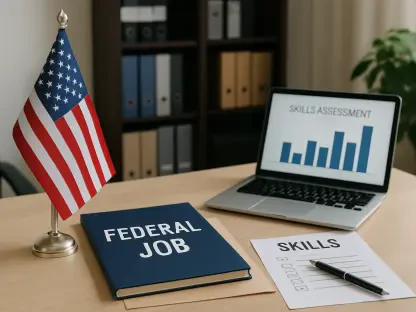
The most significant evolution in corporate learning is the definitive transition from traditional, content-centric models to a dynamic, skills-first paradigm. Industry leaders forecast a future where the primary question for L&D teams is no longer about building vast libraries of courses, but about identifying, developing, and meticulously tracking the specific capabilities most critical to achieving strategic business objectives. This pivot directly impacts key organizational goals, particularly employee retention and internal mobility. By strategically upskilling and reskilling the existing workforce with relevant, in-demand competencies, companies can construct more robust and agile talent pipelines, thereby diminishing their dependence on the costly and often unpredictable external hiring market. This approach fosters a culture of continuous growth, signaling to employees that the organization is invested in their long-term career progression and adaptability.
This skills-centric philosophy extends its influence beyond internal development, set to fundamentally reshape talent acquisition practices. The long-held reliance on formal credentials and educational pedigrees is giving way to a more pragmatic and effective model of competency-based hiring. In this new landscape, employers are increasingly prioritizing a candidate’s demonstrable, transferable skills and their proven potential for growth over their academic background. This shift is particularly pronounced in high-demand sectors such as renewable energy, healthcare, and specialized trades, where practical abilities and adaptability are the true currency of value. The focus on what an individual can do and learn—rather than where they studied—serves to democratize professional opportunities, enabling companies to access a wider, more diverse, and often untapped pool of qualified talent.
The Ascension of L&D to a Strategic Business Partner
Complementing the skills-first approach is the necessary elevation of the L&D function itself from an operational silo to a core strategic partner. The era of learning teams acting as reactive order-takers is rapidly drawing to a close, replaced by an expectation that they will become proactive and influential shapers of workforce strategy. To achieve this elevated status, L&D professionals must cultivate a deep understanding of the organization’s primary business priorities. This requires learning to communicate in the language of the C-suite, framing initiatives and outcomes in terms of their direct impact on revenue generation, performance enhancement, and overall workforce resilience. By leveraging data to align learning programs directly with overarching strategic goals, L&D can provide invaluable insights that inform critical decisions related to skills investment, cultural transformation, and the development of capabilities required for sustained competitive advantage.
This transition from a support function to a strategic imperative necessitates a radical overhaul of how learning effectiveness is measured and valued. Vapid metrics that reveal little about actual capability uplift, such as course completion rates or hours spent in training, will be abandoned in favor of tracking tangible skill growth and measurable gains in proficiency. For this to succeed, leadership must treat learning not as a discretionary employee benefit but as an essential business activity. This involves providing clear answers to three crucial questions for every employee: which specific skills are needed for their role and career path, by what deadline must they be acquired, and how will this development be tangibly rewarded or recognized? Experts argue that when incentives are directly aligned with measurable skill acquisition, employee adoption and engagement skyrocket, fostering higher proficiency and greater organizational agility.
Prioritizing the Human Element in an AI-Driven World
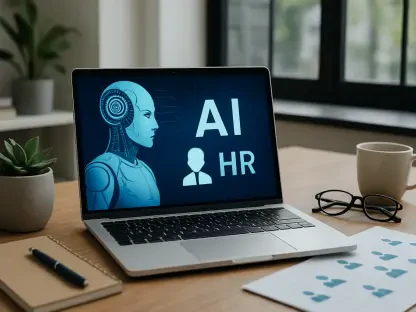
As technology and strategy advance, a critical focus must be placed on managing the human side of this workplace transformation. A key challenge will be to demonstrate a real, human-centric return on investment for the wave of AI tools being deployed. If these data-driven technologies do not demonstrably reduce employee burnout, alleviate confusion, and ease financial stress, they cannot be deemed successful. Amid persistent headlines about AI replacing jobs, a significant trust deficit has emerged, creating a widespread well-being issue. Consequently, the ultimate metric for new HR technology will be straightforward: are employees less stressed, less confused, and more confident in their roles and future prospects? To rebuild trust, employers must adopt empathetic strategies that prioritize employee well-being and clearly position AI as a tool for augmentation and support, not merely for automation and replacement.
The analysis of this evolving landscape concluded that the successful navigation of these changes rested on a dual commitment to both technological adoption and human-centric development. A novel challenge identified was the potential for a new generation of employees to enter the workforce with underdeveloped social skills, having spent their formative years interacting more with AI than with other people. This reality placed an unexpected new responsibility on employers, who needed to actively teach foundational competencies such as collaboration, empathy, and the ability to navigate nuanced human interactions. This dynamic demanded a parallel evolution in leadership, where managers had to transform into coaches. They were required to learn new capabilities and embrace novel approaches, providing the personalized feedback and development support that their teams needed to thrive in a constantly shifting skills-based environment.