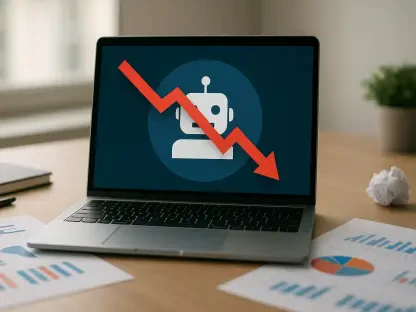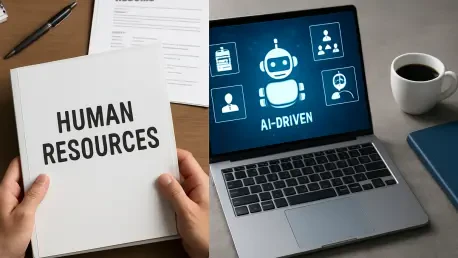

The contemporary corporate landscape is currently witnessing a massive transformation where the once-static halls of human resources are being rewired with the high-voltage energy of predictive algorithms and automated intelligence. This shift is not merely a gradual transition but a total reimagining of how organizational culture and employee performance are cultivated in an age defined by rapid data processing. As the boundaries between manual oversight and digital automation continue to blur, the very essence of workforce management is being tested against the demands of a global economy that prizes both speed and emotional connectivity. Organizations are no longer asking if they should integrate artificial intelligence, but rather how they can do so without losing the human spark that drives innovation and loyalty. This evolution marks the end of the administrative HR era and the beginning of a strategic era where people-centric data dictates every major move on the corporate chessboard.
The tension between traditional methodologies and modern technological capabilities has created a dynamic environment where the old guard of intuition meets the new guard of analytics. While the legacy of human resources is built on the foundation of interpersonal relationships, trust, and the nuanced understanding of human behavior, the modern requirement for scalability has pushed many firms toward automated solutions. This does not imply that human judgment is becoming obsolete; rather, it suggests that the role of the HR professional is being elevated from a record-keeper to a strategic architect. By moving away from the burden of manual documentation and embracing the precision of machine learning, departments are finding new ways to measure engagement and productivity that were previously invisible to the naked eye. The goal is to create a seamless integration where technology handles the heavy lifting of data, leaving the human experts to manage the complex tapestry of workplace dynamics and ethical considerations.
The Human-Centric Foundation: Cultural Integrity and Intuitive Leadership
The historical bedrock of any successful company is its culture, a complex ecosystem that has traditionally been managed through the lens of human empathy and direct social interaction. Traditional HR practices excel in these high-touch environments, where the ability to read non-verbal cues and navigate the intricacies of office politics is paramount to maintaining a healthy workplace. In the current professional climate, the human element remains the most effective tool for conflict resolution and the management of sensitive personnel issues. When an employee faces a personal crisis or a team suffers from internal friction, the nuanced intervention of a seasoned HR manager provides a level of comfort and psychological safety that a chatbot simply cannot simulate. This relationship-based approach ensures that workers feel seen as individuals rather than just data points on a productivity dashboard, which is vital for long-term retention and morale.
However, relying solely on human intuition carries inherent risks that can hinder an organization’s growth and fairness. Manual administrative processes, ranging from physical resume screening to the handling of paper-based compliance documents, are notoriously slow and prone to significant bottlenecks in large-scale operations. Beyond the lack of speed, the traditional model is often susceptible to unconscious biases that can skew hiring decisions and performance evaluations. Even the most well-intentioned managers may favor candidates who share similar backgrounds or personalities, leading to a homogenous workforce that lacks the diversity of thought necessary for modern innovation. As companies expand across borders and time zones, the limitations of these manual systems become more apparent, necessitating a shift toward more objective and scalable methods of managing human capital without abandoning the core values of empathy and respect.
Advanced Efficiency: The Operational Power of Automated Intelligence
In the current landscape, AI-driven HR has moved beyond being an experimental trend to becoming the primary engine of operational excellence for top-tier enterprises. By automating the repetitive and time-consuming tasks of payroll, benefits administration, and attendance tracking, companies are freeing up thousands of hours that were previously lost to bureaucratic maintenance. These systems utilize sophisticated machine learning models to analyze vast quantities of workforce data, providing HR leaders with a clear view of the organization’s health in real-time. For instance, predictive analytics can now flag subtle changes in employee behavior that might indicate impending burnout or a high risk of turnover. This allows leadership to intervene proactively with personalized support or career development opportunities, effectively solving problems before they manifest as costly exits or productivity slumps.
The most visible impact of this technological surge is found in the recruitment sector, where the speed of talent acquisition has become a competitive differentiator. By utilizing advanced algorithms for candidate matching and deploying intelligent assistants to conduct initial screenings, organizations are successfully reducing their hiring cycles by nearly half. This agility is crucial in a market where top-tier talent is often off the board within days of entering the job search. Furthermore, these AI systems provide a level of consistency and objectivity that human recruiters find difficult to maintain over long periods of time. Every candidate is evaluated against the same data-driven criteria, which helps in stripping away the first layer of subjective bias and ensuring that the most qualified individuals move forward in the process. The result is a more dynamic and responsive hiring machine that supports rapid business scaling.
Data-Driven Frameworks: Transforming Decision-Making and Support
The divergence between traditional “gut feeling” assessments and modern data-backed strategies is perhaps most evident in the way promotions and resource allocations are handled today. Historically, career advancement was often a byproduct of visibility and internal networking, which could lead to talented but quiet performers being overlooked. Modern AI-driven models have corrected this by providing a logical and transparent basis for evaluating performance through continuous feedback loops and objective skill assessments. These systems track contributions across various platforms and projects, offering a comprehensive picture of an employee’s impact that goes far beyond annual reviews. This transition to data-driven decision-making not only improves the accuracy of talent management but also fosters a culture of meritocracy where employees feel that their hard work is recognized through verifiable metrics.
Simultaneously, the nature of employee support has undergone a radical shift toward immediate, 24/7 accessibility through digital interfaces. While the human-to-human connection remains essential for complex or emotional grievances, the vast majority of daily HR inquiries involve routine questions about company policies, insurance coverage, or vacation accruals. Modern organizations utilize sophisticated natural language processing tools to handle these requests instantly, ensuring that employees are never left waiting for an email response from an overworked administrator. This shift has a dual benefit: it provides workers with the autonomy to manage their professional lives on their own schedule and it liberates human HR staff from the cycle of “paper-pushing.” With the administrative burden lifted, these professionals can finally step into their roles as strategic partners, focusing on high-level organizational design and the cultivation of future leadership talent.
Strategic Rebranding: Human Resources as a Performance Powerhouse
The integration of artificial intelligence is fundamentally changing the professional identity of HR managers, rebranding them from back-office administrators to high-impact strategic consultants. As automation absorbs the volume of technical and repetitive work, the focus of the HR department has shifted toward maximizing the return on human capital investment. Leaders are now using the insights generated by AI to design more effective organizational structures and to tailor employee development programs to the specific needs of their workforce. For example, instead of broad, one-size-fits-all training, companies are using data to identify individual skill gaps and providing targeted micro-learning opportunities that directly correlate with business goals. This precision ensures that the workforce remains agile and capable of pivoting as market conditions evolve, turning the HR function into a primary driver of the company’s bottom line.
Furthermore, the measurable impact of technology on employee retention and onboarding has become a cornerstone of modern business strategy. Automated onboarding platforms now guide new hires through their first few months with a level of consistency and engagement that was previously impossible to achieve manually. These platforms ensure that every new team member receives the same high-quality introduction to the company’s values, tools, and expectations, leading to higher initial productivity and a stronger sense of connection to the brand. When combined with predictive retention tools that offer early warnings about disengagement, the modern HR department becomes a proactive shield against the loss of institutional knowledge. By focusing on the entire lifecycle of the employee through a data-informed lens, organizations are building more resilient teams that are better equipped to handle the pressures of a high-velocity economy.
Ethical Boundaries: Addressing the Challenges of a Digital Workforce
Despite the undeniable advantages of increased efficiency and analytical depth, the rapid adoption of AI-driven systems has introduced a new set of ethical challenges that require constant vigilance. One of the most pressing concerns is the “bias dilemma,” wherein an algorithm might inadvertently learn and replicate the discriminatory patterns present in its training data. If historical hiring records favor a specific demographic, the AI could prioritize similar candidates in the future, effectively automating prejudice under the guise of objective analysis. To combat this, modern organizations must implement rigorous auditing processes and maintain a “human-in-the-loop” approach to ensure that technology is used to expand diversity rather than restrict it. The role of the human HR professional in this context is to act as an ethical gatekeeper, questioning the machine’s output and ensuring that fairness remains a core component of the recruitment strategy.
Privacy and data security have also become central themes in the conversation about the modern workplace, as the collection of granular employee data raises concerns about surveillance and trust. When predictive systems monitor everything from communication patterns to computer activity to gauge sentiment, there is a risk that employees may feel constantly scrutinized, leading to a culture of anxiety rather than engagement. Stripping away the “human touch” in favor of total automation can result in a sterile environment where workers feel like replaceable cogs in a digital machine. Sensitive life events, such as bereavement or mental health struggles, demand a level of compassion and nuance that technology cannot provide. The challenge for today’s leadership is to find the equilibrium where data is used to empower and support the workforce without infringing on their dignity or autonomy, ensuring the workplace remains a community rather than just a network.
The Hybrid Model: Synthesizing Human Empathy and Machine Precision
The most successful organizations operating today have realized that the debate is not about choosing between traditional methods and artificial intelligence, but about perfecting the Hybrid HR Model. This sophisticated approach treats technology as a powerful augmentative tool that enhances human capabilities rather than replacing them entirely. In this synergy, AI provides the “what”—the rapid processing of data, the identification of trends, and the automation of logistics—while human professionals provide the “why”—the contextual understanding, ethical oversight, and emotional intelligence. By offloading low-complexity, high-volume tasks to digital assistants, HR leaders are finally empowered to focus on the human-centered aspects of the business that truly matter, such as mentoring emerging talent, fostering an inclusive environment, and steering the company’s long-term vision.
Building this hybrid future requires a shift in how companies invest in their HR teams, moving toward a blend of technical literacy and advanced social skills. Professionals in this field must now be as comfortable interpreting a data dashboard as they are conducting a difficult performance review. This dual-competency ensures that while the business remains highly competitive and operationally lean, the actual experience of working there stays grounded in mutual respect and clear communication. The transition has moved HR from the periphery of the executive suite to the very center of corporate strategy, where it serves as the bridge between technological potential and human reality. As organizations move forward, those that master this balance will not only attract the best talent but will also create a sustainable culture where people are energized by the tools they use rather than overshadowed by them.
Actionable Strategies: Navigating the Next Phase of Workforce Management
As organizations look toward the coming years, the priority must be on building a resilient infrastructure that supports both technical innovation and human well-being. The first step for any leadership team is to conduct a thorough audit of their current HR stack to identify where manual bottlenecks are most damaging to the employee experience. Implementing AI for high-volume tasks like initial resume screening and basic inquiry handling should be prioritized to reclaim time for strategic initiatives. However, this implementation must be paired with the establishment of an ethics committee dedicated to monitoring algorithmic fairness and data privacy. By creating transparent policies regarding how employee data is used and protected, companies can build the trust necessary for digital tools to be accepted and effective within the workforce.
The next critical phase involves the continuous upskilling of the HR team to ensure they can thrive in a data-centric environment. Investing in training that covers both data literacy and advanced coaching techniques will allow HR professionals to interpret AI-generated insights and turn them into actionable people strategies. Furthermore, organizations should focus on developing personalized employee journeys that use AI to suggest career paths and learning opportunities tailored to individual strengths. The goal is to move away from reactive management and toward a proactive, holistic approach where every decision is informed by data but executed with human sensitivity. By maintaining this balance, businesses will be well-equipped to handle the complexities of the modern world, ensuring that they remain both highly efficient and deeply human in their approach to the people who power their success.