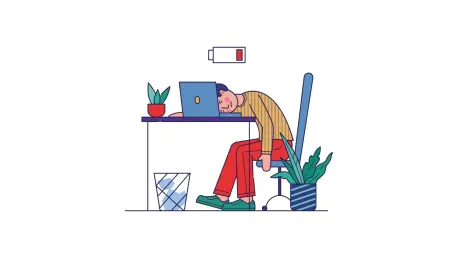

A pervasive sense of professional exhaustion is sweeping through the nation’s offices and remote workspaces, with recent data indicating that nearly one-quarter of the entire U.S. workforce reports feeling burnt out or is actively struggling to stay engaged in their roles. This widespread condition, defined by a state of physical and mental depletion, is not merely a fleeting feeling of stress but a deep-seated issue with significant consequences. It disproportionately affects Millennials, with close to 30 percent of this demographic identifying with symptoms of burnout. The ripple effects are damaging for both individuals and their employers, manifesting as plummeting job satisfaction, diminished morale, and a stark decline in productivity. Consequently, a growing number of professionals are looking for an exit, fueling a cycle of turnover that companies are struggling to contain. The undercurrents of this trend reveal a complex interplay of economic anxiety and fundamental workplace shortcomings that demand a closer look.
The Twin Crises of Paychecks and Purpose
The modern American worker is navigating a landscape fraught with economic uncertainty and institutional neglect, creating a perfect storm for professional exhaustion. Financial pressures are mounting, while the very structures meant to support employees are often failing them, leading to a workforce that feels both undervalued and overworked.
Financial Insecurity as a Core Stressor
A significant driver of the current burnout epidemic is the pervasive financial anxiety felt by a majority of the workforce. Comprehensive survey data reveals a stark reality: 57 percent of all workers perceive a struggling economy as the most significant threat to their job security, creating a constant, low-grade stressor that permeates their professional lives. This anxiety is amplified by the fact that four in ten employees report their wages have failed to keep pace with inflation, effectively diminishing their purchasing power and financial stability. This economic squeeze forces many, particularly those in younger generations like Millennials and Gen Z, to prioritize immediate financial survival over long-term career aspirations. They are increasingly accepting positions out of necessity rather than a genuine interest or a desire for professional fulfillment, a compromise that can quickly lead to disengagement and emotional exhaustion as they feel trapped in roles that offer a paycheck but little else in terms of personal or professional growth.
The financial fragility of the American employee extends beyond just lagging wages, creating a precarious foundation that makes them highly susceptible to stress and burnout. Data from a survey conducted last year highlighted this vulnerability, revealing that 44 percent of employees would be unable to cover an unexpected expense of just $1,000. This lack of a financial safety net means that any minor crisis—a medical bill, a car repair, or a family emergency—can spiral into a major source of stress, directly impacting their ability to focus and perform at work. That same report identified Gen Z as the most burnt-out generation at the time, underscoring a consistent theme where the youngest and often lowest-paid members of the workforce bear the brunt of these economic pressures. This constant state of financial precarity ensures that stress is not confined to the workplace; it follows employees home, disrupting their personal lives and making true rest and recovery nearly impossible, thus accelerating the path to burnout.
Systemic Failures Within the Workplace
Compounding the external economic pressures are significant, systemic problems within company structures that are actively contributing to employee burnout. A critical issue identified by over a third of workers across all generations is chronic understaffing. This operational deficiency forces existing employees to shoulder expanded responsibilities, often without any corresponding increase in compensation or formal recognition of their added workload. The “do more with less” mentality creates an environment of relentless pressure, where employees are consistently expected to operate at maximum capacity. This not only leads to heightened stress and a greater risk of exhaustion but also erodes trust between employees and management. When workers feel they are being exploited to cover staffing gaps, their morale and engagement plummet, making them far more likely to feel detached from their work and cynical about their employer’s commitment to their well-being.
Beyond the strain of unmanageable workloads, a widespread lack of professional development opportunities is a major source of frustration and a key driver of burnout, especially for younger workers. One in three Gen Z and Millennial employees rate their company’s opportunities for growth and advancement as either fair or poor. This perceived stagnation creates a sense of being stuck in a dead-end job, which is profoundly demotivating. When employees see no clear path forward, their incentive to invest discretionary effort diminishes, and their work can begin to feel meaningless. This is a critical failure on the part of employers, as career development is not just a perk but a fundamental component of employee engagement. A role that offers no chance to learn new skills, take on new challenges, or advance within the organization is one that will inevitably lead to disinterest and, ultimately, burnout, prompting talented individuals to look elsewhere for the fulfillment their current position lacks.
The Search for a Better Way to Work
In response to these challenging conditions, a significant portion of the workforce is no longer willing to tolerate the status quo. They are actively seeking new opportunities that promise not just better compensation but also a more sustainable and fulfilling professional life, forcing a long-overdue conversation about what a healthy workplace should truly look like.
The Employee Exodus and What Workers Want
The culmination of financial strain, overwork, and career stagnation has ignited a proactive response from the workforce: a quarter of all employees are currently actively searching for new jobs. This is not a passive dissatisfaction but a determined effort to find better working conditions. The primary motivators for these job seekers paint a clear picture of what is missing in their current roles. Higher pay is a leading factor, as employees seek to regain financial stability in an uncertain economy. However, compensation is only part of the equation. Workers are also demanding better benefits, particularly in healthcare, to create a stronger safety net for themselves and their families. Furthermore, they are prioritizing roles with transparent and attainable paths for career advancement, signaling a desire for long-term growth over short-term employment. A healthier work-life balance has also emerged as a non-negotiable for many, reflecting a collective shift in values where personal well-being is given equal, if not greater, importance than professional ambition.
To effectively counter this wave of attrition and address the root causes of burnout, employers must move beyond superficial perks and implement meaningful, structural changes. While nearly half of all workers believe that a salary increase would boost their engagement, experts caution that simply throwing money at the problem is a temporary fix for deeper issues. A more sustainable strategy involves a multi-faceted approach. Providing robust training and development programs is essential to show employees that they are valued and have a future with the company. Enhancing healthcare benefits can alleviate a significant source of external stress, allowing workers to be more present and focused. Creating transparent career ladders helps employees visualize their growth and remain motivated. Finally, offering flexible work arrangements, such as hybrid or fully remote options, has become a critical tool for promoting a healthier work-life balance, giving employees the autonomy to integrate their personal and professional lives more effectively.
A Path Forward From a Persistent Problem
The insights gathered from the current workforce highlighted a crisis that had been building for years. Analysis from the previous year had already shown employee burnout reaching a seven-year high, establishing a clear and troubling trend rather than an isolated event. This earlier report had firmly linked the escalating stress levels to the same financial fragility that continues to plague workers, indicating that the economic pressures were not new but an intensifying factor. By re-evaluating core job functions and responsibilities, organizations found they could better align productivity goals with the well-being of their employees. It became evident that creating a sustainable work environment required a fundamental rethinking of how work was assigned, managed, and rewarded. This shift in perspective proved to be a crucial first step for employers committed to reversing the burnout trend and fostering a healthier, more engaged workforce for the future.