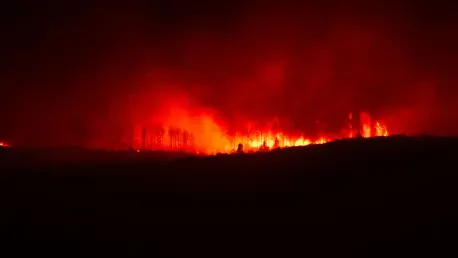

Wildfire smoke does more than irritate the respiratory system; it disrupts sleep patterns and creates significant psychological distress for employees facing environmental threats. Corporate frameworks traditionally prioritized immediate fire suppression and property protection, yet the persistent haze from distant blazes now presents a more complex challenge for the modern workforce. Data from 2026 indicates that particulate matter exposure leads to significant cognitive decline and increased absenteeism, yet many executive boards still treat these events as temporary anomalies. This strategic oversight creates a vulnerability in human capital management that requires a more sophisticated response than merely advising staff to stay indoors. As smoke plumes cross continental borders, the distinction between local and global risks has blurred, forcing a reassessment of what constitutes a safe working environment. Organizations that ignored the subtle effects of poor air quality struggled.
The Workforce Impact: Invisible Health Risks
Fine particulate matter, specifically PM2.5, bypasses traditional biological defenses and enters the bloodstream, causing systemic inflammation that affects brain function. In high-density corporate environments, the reliance on aging ventilation systems has become a critical point of failure as these systems were never designed to filter out the microscopic toxins found in modern wildfire smoke. Leading tech firms in the Pacific Northwest and the Northeast began installing high-efficiency particulate air (HEPA) filtration and automated building management systems that respond to outdoor air quality indices in real-time. Without these upgrades, indoor air quality often mirrors outdoor levels within a few hours, leading to a measurable drop in employee productivity and complex decision-making capabilities. The economic impact is no longer a theoretical projection; it is a current reality for businesses in areas where the air quality index frequently exceeds hazardous levels for several days.
Beyond the physical office, the rise of remote and hybrid work models introduced a new layer of complexity to the corporate duty of care. Employees working from home often lack the high-grade filtration systems found in modern commercial buildings, creating a disparity in health outcomes across the workforce. Companies that prioritized equity in their wellness programs began providing stipends for home air purifiers or establishing “clean air hubs” in satellite offices to ensure all staff members had access to safe environments. This transition acknowledged that an employee’s living conditions directly correlate with their professional performance during prolonged smoke events. Neglecting this aspect of the work environment led to increased turnover and health insurance claims, as staff members struggled to maintain their well-being in poorly ventilated homes. Addressing these environmental inequities became a hallmark of resilient corporate strategies, moving beyond simple office-centric policies.
Planning for Safety: Strategic Integration
Effective business continuity planning now requires the integration of hyper-local atmospheric data into standard operational procedures. Rather than relying on broad regional alerts, sophisticated organizations utilized network-connected air quality sensors to trigger specific workplace protocols. For instance, when PM2.5 levels surpassed 35 micrograms per cubic meter, certain logistics and outdoor operations were automatically suspended or moved to indoor facilities. This data-driven approach allowed for more precise management of labor hours and reduced the risk of workers compensation claims related to respiratory distress. Furthermore, the inclusion of mental health professionals in crisis response teams provided a necessary outlet for employees dealing with the “eco-anxiety” associated with persistent environmental crises. By formalizing these triggers, companies moved away from ad-hoc decision-making, which often left mid-level managers uncertain about when to prioritize safety.
Organizations that successfully navigated these challenges implemented a multi-tiered defense strategy that combined technical infrastructure with supportive labor policies. They audited their physical facilities to ensure that MERV-13 or higher filtration was standard and established clear communication channels that kept employees informed about air quality trends throughout the workday. Human resources departments revamped sick leave policies to account for environmental health days, recognizing that early intervention prevented more severe medical leaves later. These companies also invested in portable air monitoring technology for field staff, ensuring that safety was maintained regardless of the job site. By viewing air quality as a core component of occupational health rather than a seasonal nuisance, these leaders built a more resilient and loyal workforce. These proactive measures transformed environmental health from a liability into a competitive advantage for the modern corporate landscape.