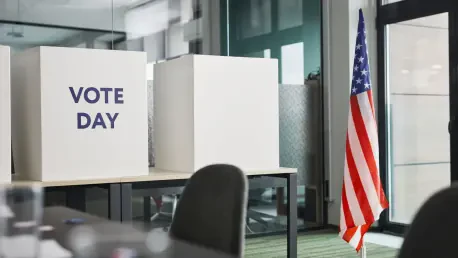

While twelve states officially designate Tuesday, November 3, 2026, as a public holiday, no such mandate exists at the federal level for this pivotal midterm election cycle. This distinction creates a complex logistical landscape for millions of Americans who must balance their civic duties with professional and academic obligations. As the nation prepares to decide the composition of the 120th Congress, including all 435 seats in the House of Representatives and one-third of the Senate, the operational status of the country remains largely business-as-usual. Unlike federal holidays such as Thanksgiving or Christmas, Election Day does not trigger a nationwide cessation of commerce or government services. This decentralized approach reflects the American tradition of state-led election administration, where the local government determines the accessibility and recognition of the voting process. Consequently, the experience of a voter in Virginia, where the day is recognized as a holiday, differs significantly from that of a voter in a state where no such designation exists.
Structural Differences in Holiday Classification
Federal Agency Protocols and National Norms
At the federal level, the United States government maintains a standard operating schedule on November 3, 2026. This means that essential services, including the United States Postal Service, federal courthouses, and administrative offices, remain open to the public. The absence of a federal holiday designation is rooted in historical legislative decisions that prioritize the continuity of government operations during election cycles. For the vast majority of the federal workforce, Election Day is considered a regular workday, though internal policies often encourage managers to provide flexible scheduling for those who need to visit the polls. National financial markets, such as the New York Stock Exchange and NASDAQ, also remain fully operational, ensuring that the country’s economic machinery continues to function without interruption. This consistency at the federal level provides a stable backdrop for the nation, even as individual states and local municipalities implement their own specific holiday regulations and closures.
State Legislation and Local Government Closures
In contrast to the federal stance, twelve states have enacted legislation to recognize Election Day as a formal state holiday in 2026. These states—Delaware, Hawaii, Illinois, Indiana, Maryland, Michigan, Montana, New Jersey, New York, Rhode Island, Virginia, and West Virginia—frequently close state-level government offices, granting public employees a paid day off to facilitate their participation in the democratic process. This regional recognition is often intended to boost voter turnout and provide the necessary staffing for polling locations. However, even within these states, the holiday status rarely extends to the private sector. Most private employers in these jurisdictions are not legally required to close their businesses or offer a paid holiday to their staff. This creates a two-tiered system where government workers may enjoy a day of rest or civic engagement, while retail, service, and corporate employees continue their shifts as they would on any other Tuesday, often necessitating careful personal planning to ensure they can reach their precincts before they close.
Practical Implications for Communities and Workforce
Academic Calendars and the Role of Schools
The impact of the 2026 midterm cycle on educational institutions is particularly pronounced, as schools often serve a dual purpose as community polling centers. To address the inherent security challenges of having high volumes of external visitors on campus, many local school boards in states like Virginia and New York have opted to cancel classes or transition to remote learning for the day. This decision is rarely a result of a state-mandated holiday for students but rather a logistical necessity to manage foot traffic and ensure student safety. For parents, these closures can create unexpected childcare needs, requiring them to coordinate with employers or find alternative arrangements while they also attempt to find time to vote. Higher education institutions generally follow a different path, with most colleges and universities remaining open for instruction, although many student organizations and administrative offices actively promote voter registration and provide on-campus resources to encourage student participation in the midterms.
Corporate Operations and Consumer Commerce
For the general public, daily commerce continues largely unabated during the midterm elections. Major retail chains, grocery stores, and restaurants typically maintain their standard operating hours, and many businesses even see increased activity as voters run errands before or after visiting their polling places. The banking sector follows the federal lead, with most commercial banks remaining open for in-person and digital transactions. However, some local credit unions or smaller regional banks in holiday-observing states might choose to adjust their hours or close specific branches. This environment of “business as usual” means that for most workers, Election Day is a day of multitasking. The high-stakes nature of the 2026 elections, serving as a significant referendum on the current administration’s policies, has led many corporations to voluntarily implement “no-meeting” blocks or flexible start times. These private initiatives, while not legally required, reflect a growing corporate trend toward supporting civic engagement without the need for formal legislative mandates.
Legal Frameworks for Workplace Voting Leave
Understanding the nuances of workplace leave is essential for employees who do not reside in states where Election Day is a public holiday. Currently, 28 states and the District of Columbia have “time-off-to-vote” laws that provide employees with a legal right to take a certain amount of time away from their jobs to cast a ballot. In 2026, 21 of these jurisdictions require that this time be paid, ensuring that workers do not face a financial penalty for participating in the election. For example, in states like California and New York, employees may be entitled to up to two hours of paid leave if they do not have sufficient time outside of working hours to vote. It is important to note that these laws often require employees to provide advance notice to their supervisors, sometimes up to three days prior to the election. In states without these protections, workers must rely on the discretion of their employers or utilize early voting and mail-in ballot options, which have become increasingly popular as a way to circumvent the challenges of a traditional Tuesday work schedule.
Navigating the 2026 Electoral Landscape
Political Momentum and Administrative Coordination
The 2026 midterm cycle is characterized by intense political engagement and a sophisticated administrative effort to ensure election integrity and accessibility. With the balance of power in both the House and the Senate at stake, local election officials have focused heavily on streamlining the voting process to accommodate high turnout. This includes the expansion of early in-person voting locations and the refinement of mail-in ballot processing to ensure timely results. The logistical coordination required for this scale of participation is immense, involving thousands of poll workers and technical staff who manage the digital and physical infrastructure of the vote. As the nation moves through the 2026 progress, the emphasis has shifted toward providing clear communication to the public regarding where, when, and how they can cast their ballots. This proactive approach by election boards is designed to mitigate the confusion caused by varying state holiday statuses and to ensure that every eligible citizen has a clear path to the ballot box regardless of their local government’s official calendar.
Strategic Planning for Future Civic Participation
The successful navigation of Election Day 2026 required a proactive approach to logistical planning and an awareness of localized regulations. Citizens who achieved the most seamless voting experience were those who identified their precinct locations well in advance and verified their registration status through official digital portals. It became clear that relying on a “holiday” status was insufficient for the majority of the workforce; instead, the most effective strategy involved utilizing the 28-state framework of voting leave laws or opting for early voting windows that opened weeks before November 3. For future cycles, individuals were encouraged to establish a “voting plan” that accounted for potential school closures and workplace demands. This period of national coordination demonstrated that while federal holiday status remains elusive, the combination of state statutes and corporate flexibility provided the necessary avenues for participation. The insights gained from the 2026 cycle suggested that the best next step for any voter was to treat Election Day as a fixed commitment in a busy schedule, ensuring that their voice was heard through deliberate and informed preparation.