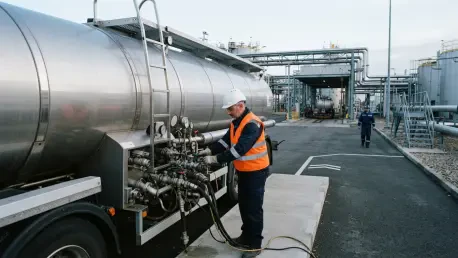

Securing a TSA Security Threat Assessment is a mandatory hurdle for any driver seeking to transport sensitive hazardous cargo across the national infrastructure. This regulatory requirement is just the beginning of a rigorous journey that transforms a standard commercial driver into a specialized technician capable of managing high-pressure environments and volatile chemical loads. In the current landscape of 2026, the demand for these highly skilled professionals has reached an all-time high, forcing carriers to rethink their traditional recruitment strategies to maintain fleet stability. Unlike the dry van or refrigerated segments, the tanker industry cannot simply rely on volume hiring; it requires a surgical approach to finding individuals who possess a blend of mechanical aptitude and extreme attention to detail. Terminal managers now prioritize transparency, providing exhaustive job descriptions that detail the physical labor, personal protective equipment requirements, and specific chemical interactions involved in the role. This shift ensures that every candidate understands the complexity of the rack and the risks of the road before they ever turn a key. By setting these realistic expectations from the outset, the industry is successfully filtering for longevity, moving away from the high-turnover mentality that once plagued the broader transportation sector and focusing instead on a specialized workforce that values safety above all else.
Specialized Training and Career Paths
Structured Onboarding Models
Leading carriers like Groendyke Transport have pioneered a multi-tiered approach that emphasizes hands-on simulations and regional training hubs to bridge the skills gap for incoming professionals. In this model, new hires are not merely handed a set of keys; they are integrated into a comprehensive educational ecosystem that begins at corporate headquarters. For an entire week, drivers engage with actual equipment in controlled environments, mastering the nuances of surge control, valves, and pressurized offloading before they ever encounter a live customer site. This investment is bolstered by a guarantee of paid orientation, a critical factor for drivers transitioning from other trailer types who might otherwise be deterred by the lack of income during training. Similarly, Schneider provides a clear and predictable timeline for their orientation process, typically lasting four weeks for those new to tankers. By publishing these schedules and offering competitive pay throughout the learning phase, these companies eliminate the financial anxiety associated with entering a new specialization. The result is a more confident driver who feels supported by the organization’s infrastructure, leading to a much higher rate of professional success during the first year of employment.
Experience-Based Recruitment
While some fleets focus on training the next generation, others like Heniff Transportation concentrate their efforts on the elite tier of the labor pool by requiring at least 12 months of verifiable liquid-bulk experience. This strategy targets the technician-driver who already understands the intricacies of the chemical rack and the inherent dangers of hazardous transfers. To attract these veterans, carriers must offer more than just a standard rate; they utilize lucrative compensation models that reward the high-level technical expertise these individuals bring to the table. This approach minimizes the need for foundational training and allows the fleet to focus on site-specific safety protocols and advanced regulatory compliance. For the driver, the appeal lies in the recognition of their specialized skill set, which is reflected in a transparent pay structure that accounts for the physical labor and risk management required daily. This method creates a self-selecting community of experts who value professional autonomy and high-end equipment. By catering to this demographic, fleets can maintain a workforce that requires less supervision and consistently meets the stringent safety standards of Tier 1 chemical shippers, thereby securing long-term contracts and operational stability for the entire organization.
Modern Compensation and Operational Support
Evolving Pay Structures
The traditional model of paying drivers solely by the mile is rapidly becoming obsolete in the hazardous materials sector, as it fails to account for the complex labor performed while the wheels are not turning. Modern fleets are shifting toward a hybrid compensation model that includes hourly rates for loading, unloading, and tank washing—tasks that can often take several hours and involve significant physical exertion. Heniff, for instance, has found success by combining a percentage-of-linehaul pay with dedicated hourly compensation for time spent at customer facilities. This ensures that the driver’s income is not penalized by inefficiencies beyond their control, such as facility delays or equipment issues. Furthermore, clear detention pay policies have become a cornerstone of driver trust. Data from recent industry assessments indicates that nearly 40% of stops involve delays exceeding two hours, which can be devastating to a driver’s earnings under an old-fashioned pay scale. By providing a predictable and easily understood paycheck that does not rely on waiting for a shipper to pay a detention invoice, carriers are seeing a significant reduction in turnover related to financial instability. This financial transparency fosters a sense of partnership between the driver and the back office, reinforcing the idea that the driver’s time is a respected asset.
Impact of Support Systems
Retention is fundamentally won or lost during the first 90 days of a driver’s tenure, a window where the reality of daily operations either reinforces or contradicts the recruiter’s promises. During this critical period, the relationship with dispatchers and maintenance teams becomes the primary driver of job satisfaction. A driver needs to feel empowered to stop the job if they encounter an unsafe condition or unfamiliar equipment at a customer site without fear of administrative retribution. This culture of safety support is essential in the hazmat world, where the consequences of an error are catastrophic. When a dispatcher prioritizes a driver’s safety over a delivery window, it builds a level of loyalty that is difficult to break. Simultaneously, the quality and maintenance of the equipment play a visible role in retention; a driver who is consistently assigned trucks with recurring mechanical issues will quickly feel that their safety is a secondary concern. Modern fleets invest heavily in proactive maintenance programs to ensure that their drivers are operating the most reliable equipment available. This commitment to up-time and safety not only keeps the fleet compliant with PHMSA regulations but also serves as a daily reminder to the driver that the company is invested in their well-being and professional success.
Data-Driven Management and Growth
Tracking Retention Metrics
To maintain a stable workforce in 2026, fleet managers have abandoned generalized turnover statistics in favor of granular, data-driven metrics that pinpoint exactly where the recruitment-to-retention pipeline is leaking. One of the most effective key performance indicators currently in use is the orientation completion rate, which helps terminal managers identify if their screening process is effectively filtering for the right candidates or if their training curriculum is overwhelming new hires. By tracking retention specifically at the 30-day and 90-day marks, companies can intervene before a driver decides to resign. These check-ins often reveal systemic issues such as pay inaccuracies or frequent deviations from promised home-time schedules. Pay accuracy is particularly vital; even a minor discrepancy in a weekly check can erode years of trust, so tracking the time it takes to resolve pay disputes has become a standard measure of administrative health. Additionally, monitoring schedule reliability allows planners to see if specific routes are consistently causing drivers to miss their return windows. By addressing these planning failures proactively, management can fix the underlying operational issues that lead to burnout. This scientific approach to human resources ensures that decisions are based on hard evidence rather than anecdotal complaints, leading to a more stable workforce.
Professional Development Opportunities
Long-term retention is increasingly tied to the availability of clear career trajectories that extend beyond the driver’s seat. As drivers gain years of experience, their desire for over-the-road work often diminishes, yet their technical knowledge remains an invaluable asset to the company. Successful hazmat fleets are now creating formal pathways for these veterans to transition into roles as certified driving instructors, safety supervisors, or even terminal managers. This strategy of internal promotion serves a dual purpose: it keeps the company’s most knowledgeable employees within the organization and provides younger drivers with mentors who have firsthand experience with the rigors of the road. Programs highlighted at events like Tank Truck Week emphasize that workforce development is about more than just filling seats; it is about building a sustainable culture where a driver can see a future that adapts to their changing life stages. By offering these transitions, fleets can maintain a high standard of safety and operational continuity while reducing the costs associated with hiring external management. Drivers who see these opportunities are more likely to stay with a single carrier for the duration of their careers, knowing that their expertise will be valued and rewarded in various capacities as they age. This focus on longevity and mentorship is what ultimately separates a high-performing fleet from one that is constantly struggling with vacancies.
Strategic Alignment for Longevity
Synchronizing Fleet Operations
A primary cause of turnover in the specialized tanker industry is the disconnect between the promises made during recruitment and the operational reality on the ground. To solve this, leading carriers are ensuring total alignment between their recruiting, training, and dispatch departments. For example, if a recruiter highlights a specific home-time guarantee, the dispatch team must be held accountable for meeting those windows, or the driver will feel deceived. Similarly, if a trainer certifies a driver on a specific type of specialized pumping equipment, the dispatcher must ensure that the driver is not assigned a route involving unfamiliar gear without additional supervision. This synchronization is crucial because hazmat drivers operate in a high-stakes environment where a lack of familiarity with equipment can lead to safety incidents. When the operations team respects the driver’s specific qualifications and comfort level, it creates a cohesive working environment where the driver feels set up for success rather than thrown into a situation they are not prepared for. This unified front prevents the initial frustration that often leads new hires to seek employment elsewhere. By maintaining a continuous loop of communication between these departments, fleets can adjust their strategies in real-time, ensuring that the driver’s experience matches the expectations set during their first interview.
Sustaining High Standards
The organizations that successfully navigated the labor challenges of the mid-2020s were those that viewed recruitment and retention as core operational strategies rather than mere administrative tasks. These leaders recognized that the high-stakes nature of hauling hazardous cargo required a workforce that was not only skilled but also deeply invested in the company’s safety culture. By matching technical proficiency to the specific hazards of the cargo and providing a supportive daily environment, fleets were able to stabilize their operations and reduce the high costs of turnover. The industry moved toward a model where competitive pay was seen as the baseline, while professional respect and equipment reliability were the true differentiators. Management teams that utilized data to refine their onboarding processes found that they could identify and resolve driver concerns long before they resulted in a resignation. This transition toward a more holistic view of the driver’s lifecycle ensured that the most dangerous cargo on the nation’s highways was handled by professionals who felt valued and secure in their roles. Ultimately, the integration of transparent pay, structured growth, and a relentless focus on safety protocols allowed the hazmat tanker sector to maintain its vital role in the national infrastructure. These strategies proved that longevity was achievable when a carrier’s operational reality aligned with its recruitment narrative, fostering a sustainable future for the entire logistics chain.