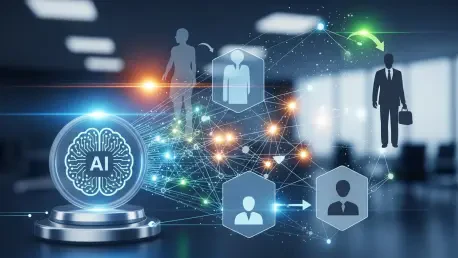

The modern recruitment landscape has shifted dramatically from the era of manual resume screening toward a sophisticated model powered by deep learning and neural networks. This evolution represents a fundamental transition where hiring has moved from a reactive administrative function to a proactive, data-informed pillar of sustained organizational growth. By integrating natural language processing and predictive analytics, modern enterprises are now capable of identifying and attracting top-tier talent with a level of precision that was previously unattainable. This paradigm shift ensures that the hiring process is no longer just about filling a vacancy but about strategically curating a workforce that can adapt to rapid market fluctuations. As organizations move through 2026 and into 2028, the reliance on these automated systems continues to grow, allowing human resource professionals to spend less time on tedious paperwork and more time on high-level strategy and cultural development.
Recruitment Evolution: Redefining Candidate Evaluation through Contextual Intelligence
Traditional recruitment software historically relied on rigid keyword matching, a method that frequently resulted in highly qualified candidates being automatically rejected due to minor formatting choices or the absence of specific industry buzzwords. This talent gap often left companies struggling to find the right fit despite a surplus of applicants who possessed the necessary skills but failed the algorithmic gatekeeping. Modern artificial intelligence systems have effectively dismantled these barriers by utilizing contextual intelligence to interpret the underlying meaning behind professional experiences and diverse career paths. Instead of merely scanning for exact word matches, these tools evaluate the depth and breadth of a candidate’s history, recognizing that a Project Lead in one industry might possess the exact transferable competencies required for a Product Manager role in another. This move toward a skills-first philosophy fosters a more meritocratic screening process.
By focusing on these transferable skills, organizations are uncovering a hidden layer of the labor market that was previously obscured by the limitations of legacy Applicant Tracking Systems. These advanced AI models can analyze the semantic relationships between different roles, understanding that the problem-solving abilities of a data scientist are often comparable to the analytical rigors of an aerospace engineer. This broader perspective allows recruiters to cast a wider net, pulling in talent from non-traditional backgrounds who might have been overlooked by human reviewers focused on specific educational pedigrees. The result is a more diverse and agile workforce, where roles are filled by individuals whose potential is measured by their demonstrated proficiency and cognitive flexibility rather than their ability to optimize a document for a search engine. This level of granularity in talent discovery provides a significant competitive advantage for firms operating in sectors experiencing rapid technological disruption.
Proactive Strategy: Implementing Strategic Forecasting with Predictive Analytics
Beyond the initial screening phase, artificial intelligence is reshaping how organizations prepare for long-term operational needs through the sophisticated application of predictive analytics. By synthesizing internal performance metrics with global economic indicators, companies can now forecast specific talent requirements and anticipate potential skill shortages before they begin to impact the bottom line. This level of foresight transforms recruiters from firefighters who reactively fill urgent gaps into strategic architects who build resilient talent pipelines aligned with future business objectives. For example, a global logistics firm might use these predictive models to identify a growing need for automation experts well in advance, allowing them to initiate targeted acquisition strategies before the market becomes oversaturated. This proactive stance reduces the overall cost per hire and minimizes the downtime associated with critical vacancies, ensuring that the human resource function acts as a driver of stability.
These predictive systems do not operate in a vacuum; they integrate massive datasets from external labor markets and internal employee development trajectories to provide a comprehensive view of workforce health. By identifying patterns in employee turnover and professional growth, AI can suggest internal mobility opportunities that might have otherwise been ignored, effectively filling new roles with existing talent that already understands the company culture. This internal talent marketplace not only lowers recruitment costs but also significantly boosts employee retention by providing clear, data-backed career paths. Furthermore, these analytics can simulate various economic scenarios, helping leadership understand how a potential market downturn or a sudden surge in consumer demand would affect their staffing needs. Such strategic modeling allows for a more controlled approach to expansion, where every new hire is a calculated investment in the organization’s future resilience and agility.
Future Readiness: Establishing Sustainable Frameworks for Strategic Growth
Organizations that successfully navigated this transition focused on several actionable steps to ensure their technological investments yielded long-term value. Leaders prioritized the auditing of their existing historical data sets to identify and remove embedded biases before deploying new automated screening tools. They also invested heavily in comprehensive training programs for their human resource teams, ensuring that recruiters understood how to interpret algorithmic insights rather than simply following automated suggestions. By integrating these AI platforms with broader business intelligence systems, companies gained a unified view of their human capital, which allowed them to align hiring practices with overarching corporate goals. They also established clear governance protocols to maintain human oversight at every critical decision point in the hiring process. These proactive measures created a solid foundation for a more ethical and efficient recruitment ecosystem that balanced machine speed with human judgment.
Future considerations for these professional teams involved the continuous refinement of their automated systems to stay aligned with evolving societal expectations and labor laws. Successful firms adopted a model of constant feedback loops, where the long-term performance of AI-selected candidates was monitored to improve the accuracy of future predictive models. They also implemented transparent communication policies that informed all applicants about the role of technology in the selection process, which significantly enhanced the employer brand and built trust with the candidate pool. By treating artificial intelligence as a collaborative partner rather than a replacement for human intuition, organizations cultivated a workforce that was both technically proficient and culturally cohesive. This holistic approach allowed businesses to remain competitive in a fast-paced global market, ensuring that their talent acquisition strategies remained resilient. The transition toward this tech-enabled environment was ultimately defined by a commitment to data-driven excellence.