
A sudden equipment failure in a high-traffic Glasgow warehouse can ripple through a supply chain within hours, yet many local firms remain surprisingly vulnerable to preventable operational disruptions. Recent scrutiny into the Glasgow business community revealed a significant gap between official safety protocols and their practical, day-to-day application on the workshop floor. A detailed study conducted in early 2026 highlights how a lack of regular inspections directly contributes to higher injury rates and regulatory failures across the labor force. For local business owners, understanding this disconnect is the first step toward transforming risk management from a theoretical obligation into a practical strategy that protects both the staff and the bottom line. By prioritizing rigorous oversight, organizations can move beyond mere compliance and begin building a framework where safety is treated as a core operational value rather than an afterthought or a bureaucratic hurdle.
The High Price of Safety Negligence
The financial consequences of overlooking workplace hazards are staggering, with work-related injuries and illnesses costing the national economy an estimated £21.6 billion annually. Beyond the immediate monetary loss associated with fines and legal fees, over 33 million working days are lost each year, proving that safety failures act as a major drag on macroeconomic productivity. Most of these incidents are not isolated “freak accidents” but are instead classified as recurring failures. These are predictable issues, such as improper manual handling techniques, fire safety lapses, or faulty machinery, that could have been identified and corrected through routine oversight. When a business in Glasgow fails to implement a consistent review process, it essentially accepts an invisible tax on its growth. These costs accumulate through higher insurance premiums, the expense of training temporary replacement staff, and the damage to brand reputation that follows a major incident.
Different industries in Glasgow face unique challenges, ranging from the visceral dangers of heavy manufacturing near the Clyde to the subtle risks found in the growing tech hubs. While industrial sectors often manage heavy machinery and complex chemical risks, office-based businesses must navigate ergonomic issues and psychological stressors such as work-related burnout. Furthermore, the rise of hybrid work has expanded an employer’s duty of care to include home offices, requiring a new approach to safety training and equipment distribution for a distributed workforce. Managers now face the challenge of ensuring that a workstation in a private residence meets the same ergonomic standards as one in a central headquarters. Failure to address these evolving environments creates a fragmented safety landscape where employees are protected in some hours but left vulnerable in others. This inconsistency leads to health issues that ultimately affect long-term retention and morale.
Building a Robust Inspection Framework
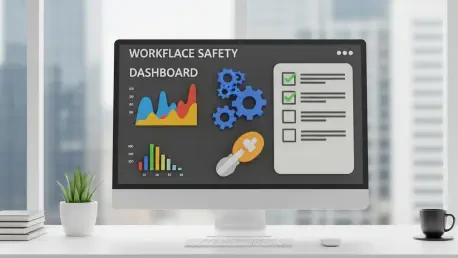
Moving away from informal, as-needed observations is essential for any Glasgow business looking to avoid legal and financial trouble in the current regulatory environment. A structured, documented inspection checklist provides a clear audit trail that proves a company is meeting its legal requirements while assigning clear responsibility for corrective actions. By standardizing the review of electrical safety, personal protective equipment, and emergency procedures, managers can ensure that no critical detail is overlooked during a busy work week. This documentation is not just about avoiding penalties; it serves as a vital tool for internal communication and continuous improvement. When every team member knows exactly what to look for and how to report a hazard, the burden of safety is shared across the entire organization. This shift transforms safety from a top-down mandate into a collective responsibility, significantly reducing the likelihood of oversight.
The frequency of these inspections should never be a one-size-fits-all decision; instead, it must reflect the specific risk profile and operational tempo of the workplace. While a standard administrative office might only require a semi-annual review, a high-intensity manufacturing plant needs much more frequent checks to account for equipment wear and tear and rapid staffing changes. Industry experts suggest that viewing safety as a continuous operational process, rather than a static annual task, is the best way to account for new hazards introduced by updated layouts or altered processes. From 2026 to 2028, businesses that adopt dynamic scheduling—where inspection intervals are adjusted based on incident data or equipment age—will likely see a decrease in total downtime. This adaptive approach allows a firm to allocate resources where they are most needed, ensuring that high-risk areas receive the attention required to prevent failure before it occurs.
Cultivating a Proactive Safety Culture
Proactive risk management involves more than just fixing broken tools; it requires paying close attention to near misses, which often serve as early warning signs for more serious accidents. By identifying these precursors through structured checklists, businesses can foster a safety-first culture that boosts employee morale and overall productivity. In an era where digital transitions meet traditional industrial risks, maintaining current risk assessments and acting promptly on inspection findings is the only way to ensure long-term organizational resilience. Employees who see their concerns addressed quickly are more likely to stay engaged and vigilant, creating a virtuous cycle of awareness. This cultural shift requires leaders to move beyond a “blame culture” and instead focus on systemic improvements. When a near miss is reported without fear of retribution, the company gains invaluable data that can be used to prevent a life-altering injury in the years ahead.
Forward-thinking organizations in Glasgow solidified their operational foundations by integrating advanced digital tracking systems with traditional site walk-throughs. These businesses transitioned toward automated notification platforms that alerted maintenance teams the moment a piece of critical equipment exceeded its safety parameters. Management also mandated comprehensive training sessions that moved beyond basic compliance, focusing instead on real-world hazard recognition and peer-to-peer accountability. By establishing clear channels for reporting and resolving issues, they reduced the average response time to identified hazards by nearly forty percent during the current fiscal cycle. Moving forward, the most resilient firms prioritized the procurement of ergonomic hardware and invested in mental health resources to address the full spectrum of modern workplace risks. They treated safety documentation as a live asset rather than a forgotten file, ensuring that every worker remained protected.