
The unprecedented surge in seasonal temperatures throughout the California interior has forced state regulatory bodies to prioritize immediate intervention strategies for workplace safety. As the National Weather Service continues to issue extreme heat warnings and heat watches for regions including the North Bay and the Inland Empire, the California Division of Occupational Safety and Health has released updated safety directives for businesses. These rules are designed to mitigate the risks associated with temperatures ranging from 90 to 110 degrees Fahrenheit, which pose a significant threat to laborers across multiple industries. From the sprawling agricultural fields in the Central Valley to the high-rise construction projects in urban centers, the mandate is clear: heat-related illness must be treated as a preventable industrial hazard rather than an unavoidable consequence of geography. The agency emphasized that these regulations apply to every employer in the state to eliminate fatalities during peak waves.
Standardized Outdoor Protocols: The Shadow Threshold
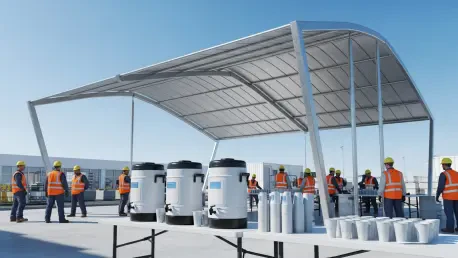
Outdoor operations face the most immediate pressure from solar radiation, necessitating a tiered approach to worker protection based on ambient temperature readings. Once the local thermometer reaches 80 degrees Fahrenheit, employers are legally required to provide accessible shade structures that are large enough to accommodate the entire shift during their recovery periods. However, the requirement for fresh, cool potable water remains a constant obligation regardless of whether the outdoor temperature is mild or extreme. This water must be provided free of charge and located as close as possible to the active work area to encourage frequent hydration among the staff. Beyond physical assets, supervisors must implement a system for monitoring workers for early signs of heat exhaustion. Building a culture where employees feel comfortable requesting a preventative cool-down rest is essential for maintaining operational safety when the environmental conditions become increasingly hostile for laborers.
When conditions escalate to 95 degrees Fahrenheit, the regulatory requirements shift into a more intensive phase known as High-Heat Procedures. This specific mandate targets high-risk sectors such as agriculture, construction, landscaping, and the transport of heavy materials where physical exertion is highest. Supervisors in these industries must maintain constant visual or electronic observation of all crew members to ensure that no individual is suffering in isolation. Effective communication systems, such as two-way radios or reliable cellular connections, are required to facilitate immediate contact with emergency medical services if a worker displays symptoms of heat stroke. Furthermore, specific pre-shift meetings must be conducted to review the day’s high-temperature forecast and reinforce the location of water and shade. These administrative layers are not merely suggestions but are mandatory components of a legal safety framework designed to prevent catastrophic health outcomes.
Indoor Environment Safety: Mitigating Trapped Thermal Energy
Indoor work environments, often overlooked in previous safety cycles, now face rigorous oversight due to the tendency of industrial buildings to trap thermal energy. Facilities such as commercial kitchens, distribution warehouses, and manufacturing plants must now monitor internal temperatures to ensure they do not exceed 82 degrees Fahrenheit without triggering protective measures. When this indoor threshold is breached, employers must provide designated cool-down zones equipped with climate control or effective ventilation to lower the core body temperature of the staff. Comprehensive training programs are also required to help employees distinguish between minor discomfort and life-threatening heat stress. These educational initiatives must cover the importance of acclimatization, particularly for new hires or those returning from an extended absence, as their bodies may not yet be conditioned to handle high-stress thermal environments where the air remains stagnant and dangerously hot.
The state authorities finalized these enforcement frameworks to ensure that every individual remained protected during the peak thermal windows of the season. Employers adopted comprehensive heat illness prevention plans that successfully integrated real-time temperature monitoring and rapid response protocols. These strategies established a baseline for industrial hygiene that accounted for the health of all workers, including those in vulnerable populations, regardless of their legal immigration status. To maintain this standard, businesses were encouraged to utilize multilingual resources provided by the state to bridge communication gaps in diverse workforces. Moving forward, the integration of wearable biometric sensors and automated cooling stations represented the next logical step for organizations seeking to eliminate heat-related risks. Regular audits of written safety plans and the scheduling of heavy labor during cooler morning hours were identified as effective long-term solutions for safety.