
Sofia Khaira is a distinguished specialist in diversity, equity, and inclusion with a profound focus on optimizing talent management within the modern corporate landscape. Her work centers on creating equitable environments where employee well-being is not just a perk but a cornerstone of business strategy. In this discussion, we explore the intersection of medical diagnostics and corporate culture, specifically focusing on how advanced biomarker testing can mitigate the staggering economic loss caused by long-term sickness. We delve into the logistics of workplace health screenings, the psychological impact on employee loyalty, and the transformative potential of early disease detection in an era defined by a growing sickness “crisis.”
The UK economy faces a staggering loss of approximately £130 billion annually due to sickness and injury, so how can employers effectively bridge the gap between reactive care and proactive prevention?
To tackle this crisis, we have to look at the sheer scale of the disruption, where an estimated 148.8 million working days were lost in 2025 alone. By implementing advanced screening services that utilize 40 to 80 biomarkers, businesses can identify risks for over 100 disease conditions before they become debilitating or require long-term leave. This proactive approach directly addresses the financial drain caused by lost working capacity and the high costs of recruitment that inevitably follow chronic absenteeism. When a company invests in these comprehensive health checks, they aren’t just saving money on the bottom line; they are creating a protective shield around their most valuable asset—their people—and ensuring the organization remains resilient.
With new diagnostic services launching in the UK, what does the actual integration of high-level medical testing look like within a busy corporate environment?
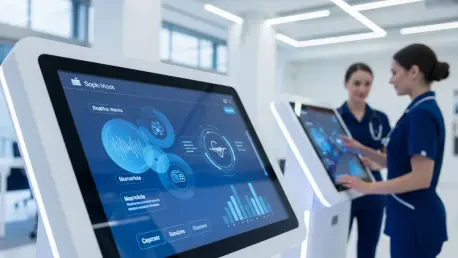
The integration is designed to be as seamless and non-intrusive as possible, utilizing experienced teams of nurses and logistics managers who conduct testing sessions right at the workplace. We are seeing this roll out as early as Q4 of this calendar year, with initial agreements already in place for three major employers covering 14,000 individuals. By combining these biomarker tests with detailed health and family history questionnaires, the service generates an incredibly accurate and useful picture of each individual’s health status. This on-site presence ensures that employees don’t have to navigate the stress of hospital visits for initial screenings, making the process of health management feel supported, accessible, and deeply integrated into the work week.
The range of biomarkers being tested is quite extensive, covering everything from metabolic disorders to cancer; how does this level of detail change the long-term outlook for employee health?
Having a battery of tests that monitors for major killers like cardiovascular disease and cancer is transformative because early detection often dictates the entire trajectory of a person’s recovery and quality of life. These panels have been in development for over 18 months to ensure they are more comprehensive and price-competitive than anything else currently available in the UK or Europe. When an employee receives a follow-up service that includes advanced diagnostics, it eliminates the terrifying “waiting game” that usually accompanies health scares in a traditional medical setting. This level of detail provides a profound sense of security, allowing individuals to manage their health with clinical precision rather than reacting to symptoms only when they become severe enough to stop them from working.
Beyond the clinical data, how does providing such advanced medical resources influence the relationship between an employer and their workforce from a talent management perspective?
Providing these services is a powerful way to foster deep-rooted loyalty and a sense of being truly valued within the company culture. Employees feel a renewed sense of commitment when they see their employer actively considering their health status through regulatory-approved, high-end diagnostics that go beyond basic check-ups. It shifts the corporate culture from one of “output at all costs” to one where the individual’s longevity and well-being are prioritized as a shared goal. This investment dramatically decreases long-term absenteeism while simultaneously building a culture of trust, as workers realize their company is willing to support them through the most personal challenges imaginable.
What is your forecast for the future of workplace health initiatives and their role in the global economy?
I anticipate that we will see a massive shift where comprehensive health screening becomes a standard expectation in corporate benefit packages across the globe. As more businesses witness the success of the initial 14,000-employee rollout, the pressure to adopt these affordable and accurate diagnostic tools will grow to avoid the massive annual hit to productivity. We are moving toward a future where “workplace wellness” is no longer about fruit baskets or gym memberships, but about clinical-grade prevention that saves lives and stabilizes the broader economy. Ultimately, the companies that thrive will be those that integrate medical diagnostics directly into their HR strategy to ensure a resilient, healthy, and fiercely loyal workforce.