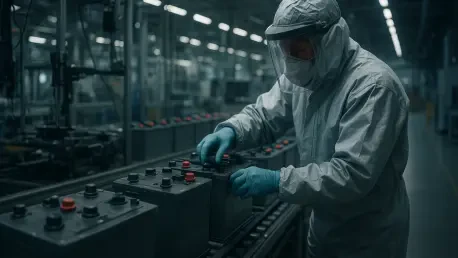

The formation of a tripartite panel comprising labor, management, and government representatives marks a significant push for transparency in industrial health reporting. This monumental step comes as a response to a disturbing breach of safety protocols within the battery manufacturing sector, where a prominent firm allegedly engaged in deceptive medical practices to mask toxic exposure among its workforce. Instead of addressing the hazardous conditions present in the production of lead-acid batteries, the organization reportedly misled employees by providing medical treatments under false pretenses. The situation came to light after internal reports suggested that workers were being subjected to intrusive procedures designed to artificially depress the levels of lead in their blood prior to official government inspections. This crisis has highlighted the inherent vulnerabilities in current self-reporting mechanisms and the urgent necessity for independent oversight. As the investigation deepens, it serves as a wake-up call for the entire industrial sector regarding the moral and legal obligations companies hold toward the physical well-being of those on the assembly line.
Medical Deception: The Manipulation of Occupational Health Metrics
The specifics of the case involve the alleged administration of chelation therapy, a procedure typically reserved for severe heavy metal poisoning, which was presented to the factory staff as routine vitamin injections. By providing these treatments immediately before mandatory health screenings, the company was able to systematically lower the detectable amount of lead in the bloodstream of its personnel. This allowed the facility to maintain a facade of compliance with occupational safety regulations while the actual working environment remained heavily contaminated. Such a strategy did more than just bypass government standards; it actively put the long-term health of the employees at risk by ignoring the root cause of the toxicity. Government officials have since characterized this behavior as a profound violation of human rights, suggesting that the prioritization of operational uptime over biological safety was a calculated business decision. The deceptive nature of the injections prevented workers from understanding the true extent of the dangers they faced daily.
The Ministry of Employment and Labor’s detailed probe into the Ulsan production facility ultimately uncovered that lead levels in certain work zones were more than five times the permissible limit before the deceptive medical interventions took place. In addition to the injection scandal, inspectors identified eighty-eight distinct violations of the Occupational Safety and Health Act, demonstrating a widespread disregard for standard protective measures. These findings resulted in forty-six million won in administrative fines and the temporary suspension of lead-related operations at the plant. Of the nearly ninety violations documented, sixty-eight have been referred for indictment, signaling that the judicial system intends to pursue criminal charges against those responsible for orchestrating the cover-up. This level of regulatory scrutiny has sent a clear message that the state will no longer tolerate the manipulation of medical data as a means of avoiding environmental remediation. The suspension of production served as a critical intervention to stop further harm and allow for a complete overhaul of the factory’s safety systems.
Industry Oversight: Systemic Changes and Protective Protocols
This investigation has naturally expanded beyond a single facility, as President Lee Jae Myung ordered a nationwide inquiry to determine if these deceptive practices have permeated other corners of the battery industry. The Ministry of Employment and Labor has consequently launched comprehensive inspections at fourteen additional manufacturing sites across the country to verify the integrity of their health reporting systems. This broader sweep is intended to root out any systemic culture that encourages the concealment of hazardous exposure in favor of industrial productivity. To facilitate this massive undertaking, the newly formed expert panel is conducting epidemiological studies and environmental surveys to assess the cumulative impact of heavy metal exposure on both current and former staff. This collaborative approach, involving labor unions and management experts, aims to develop a more accurate picture of the risks associated with modern battery production. By engaging multiple stakeholders, the government hopes to create a reporting framework that is resistant to corporate interference and more focused on worker advocacy.
The resolution of the crisis necessitated a shift toward independent medical monitoring and the integration of real-time environmental sensors within all high-risk manufacturing facilities. The authorities established a new standard where occupational health screenings were managed by third-party clinics with no financial or administrative ties to the employers, ensuring that the results remained untainted by corporate pressure. Policies were implemented to provide workers with direct access to their own medical data and the ability to trigger independent audits when safety concerns arose. The legal framework was strengthened to include severe criminal penalties for any executive-level interference with health assessments, treating data manipulation as a felony against public safety. Moving forward, the industry adopted a more transparent culture where investment in advanced ventilation and automated handling of hazardous materials became the primary method for ensuring compliance. These collective actions transformed the landscape of industrial safety, ensuring that the health of the individual remained a non-negotiable component of technological progress.