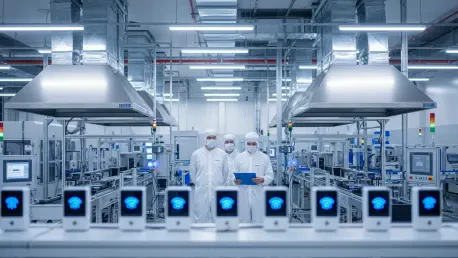

The European Union has officially implemented a more stringent framework of safety protocols designed to mitigate the pervasive risks associated with occupational exposure to hazardous substances across various industrial sectors. This regulatory shift reflects an urgent response to long-term health data indicating that legacy exposure limits were insufficient for protecting the modern workforce from neurological and respiratory ailments. By recalibrating the permissible levels of toxic agents like lead and diisocyanates, Brussels aims to set a global benchmark for chemical safety that prioritizes biological monitoring over mere ambient air quality checks. Manufacturers are now required to integrate sophisticated filtration systems and automated monitoring tools to ensure that concentrations remain below the newly established thresholds. This transition represents a significant overhaul of the 2004 directive, emphasizing a proactive stance where industrial output must coexist with stringent environmental health standards that leave no room for ambiguity or negligence.
Reevaluating Permissible Exposure Limits for Heavy Metals
For the first time in several decades, the binding occupational exposure limit for lead has been drastically reduced to account for the metal’s impact on reproductive health and cognitive stability. This update is particularly critical for the burgeoning battery manufacturing industry, where lead remains a fundamental component despite the ongoing shift toward lithium-ion alternatives. The revised rules mandate that blood lead levels must be monitored with greater frequency, ensuring that any accumulation is detected before irreversible physiological damage occurs. Companies operating in the smelting, recycling, and renovation sectors are finding that their existing ventilation infrastructures require immediate upgrades to comply with the fivefold reduction in allowable airborne particles. Furthermore, the directive introduces specific protections for female workers of childbearing age, recognizing the transgenerational risks that lead exposure poses during pregnancy. These adjustments are not merely bureaucratic hurdles but are essential components of a broader strategy to eliminate chronic occupational diseases that have historically plagued the manufacturing landscape.
Diisocyanates, which are widely utilized in the production of polyurethanes for insulation and automotive coatings, have also come under intense scrutiny due to their known role in causing occupational asthma. The updated safety rules establish the first-ever limit for these chemicals at a level that necessitates the adoption of advanced personal protective equipment and enclosed chemical handling systems. Every worker handling these volatile organic compounds must now undergo mandatory training sessions focused on skin absorption and inhalation risks, as the new legislation emphasizes that prevention is more cost-effective than long-term medical treatment. Many facilities are transitioning to robotic application systems to distance human operators from the most hazardous stages of the production cycle. This shift toward automation is being accelerated by the high cost of manual compliance, pushing the industry toward a future where human presence in high-risk chemical zones is minimized. From 2026 and extending through 2028, the phase-in period allows businesses to recalibrate their supply chains while maintaining productivity during this rigorous transition.
Technological Integration for Real-Time Monitoring and Compliance
To facilitate the enforcement of these updated standards, the European Union is encouraging the deployment of Internet of Things sensors that provide real-time data on air quality within industrial settings. These smart sensors are capable of detecting trace amounts of hazardous vapors long before they reach traditional detection thresholds, allowing for immediate corrective actions such as increasing airflow or halting production lines. The integration of such technology creates a transparent data trail that can be audited by regulatory bodies without the need for intrusive on-site inspections. This digital-first approach to safety compliance reduces the administrative burden on small and medium-sized enterprises while ensuring that safety standards are consistently met across different member states. Moreover, the use of cloud-based platforms for reporting exposure levels enables a centralized analysis of industrial health trends, helping scientists identify emerging risks before they become widespread crises. This technological synergy ensures that the updated safety rules are not just aspirational documents but are active, data-driven protocols that adapt to the changing realities of the workplace.
The adoption of these revised safety protocols necessitated a fundamental reimagining of how industrial health was managed across the continent. Stakeholders recognized that waiting for symptoms to appear was no longer a viable business model, leading to a surge in investment for non-toxic chemical alternatives and closed-loop manufacturing processes. Moving forward, the most successful firms prioritized the implementation of comprehensive biomonitoring programs that went beyond the minimum legal requirements to ensure a resilient and healthy workforce. Future-proofing operations involved a dual strategy of upgrading physical filtration hardware while simultaneously fostering a culture of safety that empowered employees to report potential hazards without fear of reprisal. Those organizations that acted swiftly to embrace these changes found themselves better positioned to attract talent and maintain operational continuity in an increasingly regulated global market. Ultimately, the focus shifted from simple compliance to the proactive pursuit of a zero-harm environment, where technology and regulation worked in tandem to eliminate the legacy of toxic exposure.