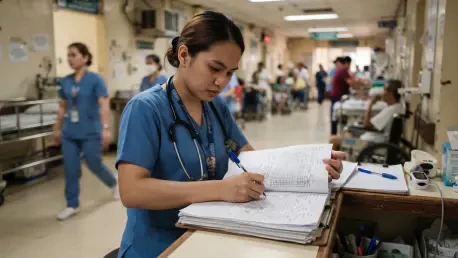

The Philippine healthcare landscape is currently facing a defining moment as the systemic strain on its medical workforce reaches a critical threshold that threatens the stability of public and private institutions alike. While the nation has long been a global exporter of nursing talent, the internal cost of this exodus is becoming impossible to ignore, especially as the Commission on Higher Education projects a staggering national shortage of up to 250,000 nurses by 2030. In regions like Mindanao, the struggle is particularly acute, where health workers are caught between professional dedication and the harsh reality of stagnant wages and demanding environments. Labor advocates are raising the alarm that without immediate intervention, the very foundation of the local medical infrastructure could buckle under the weight of this massive talent drain. This situation requires more than just temporary fixes; it demands a fundamental shift in how the state values its caregivers to ensure national health security.
The Financial Disparity and Structural Demands
The primary catalyst for this migration is the overwhelming financial disparity between local compensation packages and the lucrative offers presented by international healthcare markets. Current data reveals a glaring gap that makes local employment almost untenable for many young professionals, with gross monthly salaries in Singapore reaching approximately 144,000 pesos while the United States offers upwards of 513,000 pesos. When compared to the entry-level wages in private Philippine hospitals, the incentive to leave becomes a matter of economic survival rather than mere ambition. This trend is expected to result in a deficit of up to 190,000 nurses in the immediate term, leaving local clinics and emergency rooms dangerously understaffed. Consequently, the constant turnover of experienced staff forces hospitals to rely on less experienced personnel, which inadvertently places a heavier burden on the remaining senior staff and risks the quality of care.
Beyond the immediate financial incentives, the systemic issue of workplace exhaustion and inadequate staffing continues to drive nurses toward international opportunities where their labor is more regulated. In many private medical centers, particularly those in the Mindanao region, the patient-to-nurse ratio has reached unsustainable levels, forcing remaining staff to work double shifts without adequate rest or support. This environment not only compromises the physical health of the practitioners but also poses a direct threat to the quality of patient outcomes as fatigue leads to an increase in clinical errors. Representatives from the Federation of Free Workers have noted that without a formal mandate for humane staffing, the domestic healthcare sector remains a less attractive option compared to countries like the United Kingdom. The absence of comprehensive health insurance and retirement benefits for private sector nurses further exacerbates the feeling of professional neglect.
Strategic Interventions Into Healthcare Stability
The legislative response eventually materialized through the deliberate advancement of House Bill 533 and Senate Bill 1525, which aimed to codify the rights and protections of healthcare workers into national law. By establishing a formal Magna Carta for Private Health Workers, the government provided a structural framework that addressed not only compensation but also the safety and dignity of the medical profession. These reforms emphasized the necessity of maintaining humane staffing levels and competitive benefits to retain talent within local hospitals, particularly in underserved regions like Mindanao. Stakeholders observed that as working conditions stabilized, the rate of migration began to decelerate, allowing the domestic system to recover. Ultimately, the successful integration of these policies demonstrated that valuing the welfare of caregivers was the most effective safeguard against a national health emergency. Moving forward, the focus remained on sustaining these gains to ensure long-term resilience.
By fostering a healthcare ecosystem that prioritized the well-being of its employees, the Philippines successfully created a more sustainable path for its medical professionals within their home country. Policymakers and hospital administrators recognized that bridging the pay gap was only the first step toward a functional future for the industry, leading to expanded investments in clinical training and educational subsidies. These initiatives helped to replenish the talent pipeline, ensuring that new graduates felt supported and valued from the start of their careers. As the focus shifted away from viewing nurses as a primary export commodity, the quality of local patient care saw significant improvements across both rural and urban sectors. The transition toward a more equitable system allowed the nation to secure its medical infrastructure against global market fluctuations. Consequently, the reliance on legislative protections and fair labor practices proved essential in transforming the domestic nursing profession.