
Lagos State officials are now classifying sanitation workers as essential personnel whose physical safety is directly linked to the broader public health outcomes of the megacity. This administrative realignment serves as a cornerstone for a new environmental sanitation initiative launched in Alausa, Ikeja, which aims to modernize the waste management sector for a growing population. By integrating safety protocols directly into the operational workflow, the state has recognized that the success of urban hygiene depends entirely on the health and proficiency of its frontline workers. The program specifically targeted the systemic vulnerabilities faced by those who manage the city’s refuse, moving away from a legacy of manual, unprotected labor toward a professionalized service model. This strategic intervention addressed the multifaceted challenges of a rapidly expanding megacity, where traditional waste disposal methods no longer sufficed. The training emphasized that a worker’s expertise in handling modern equipment and complex refuse streams was essential for maintaining the city’s infrastructure and long-term public health standards throughout the metropolis.
Cultivating an Institutional Culture of Safety
How Are Safety Standards Being Modernized?
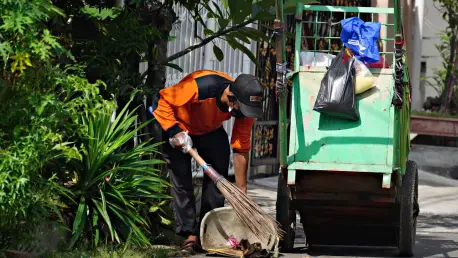
The transformation of safety standards began with a rigorous curriculum designed to standardize sanitation practices across the vast metropolis. By prioritizing the mandatory and correct application of Personal Protective Equipment, the Office of Environmental Services shielded workers from the biological and physical hazards inherent in waste handling. This shift ensures that every worker is equipped with high-visibility gear, specialized gloves, and respiratory protection, which are vital for those navigating the high-risk environments of street sweeping and the maintenance of intricate drainage systems. The sessions equipped the workforce with specialized knowledge on how to manage mixed refuse, which often includes sharp objects and hazardous materials that require specific handling techniques. By treating the workforce as essential infrastructure personnel, the government elevated the status of the role from simple labor to professional service providers. This ensured that every individual on the frontline possessed the technical skills necessary to deliver high-quality results while protecting their own health.
How Does a Safety-First Culture Prevent Accidents?
Creating a proactive safety culture required moving beyond passive compliance to a mindset where risk assessment became a daily habit for every sanitation worker. Specialist training sessions focused on identifying the specific dangers of the Lagos landscape, such as the constant threat posed by heavy traffic and the physical strain of clearing deep-seated drainage channels. Workers were encouraged to analyze their immediate environment before commencing any task, identifying potential hazards such as toxic chemical leaks or structural instabilities in disposal zones. This shift toward a safety-first mentality was intended to foster a sense of individual accountability and group vigilance among the workforce. By empowering workers to report hazards and pause operations when conditions became unsafe, the state government built a more resilient operational framework. This approach mitigated the severe risks that historically resulted in life-altering injuries, ensuring that the human cost of keeping the city clean was kept to a minimum through disciplined adherence to safety protocols and hazard reporting.
Strengthening Urban Resilience and Infrastructure
Can Improved Logistics Drive Economic Stability?
The logistical efficiency of waste management in Lagos improved significantly through the rehabilitation of local disposal facilities like the Solus and Olusosun dumpsites. Previously, a major bottleneck existed where collection trucks were forced to travel over 120 kilometers to discharge refuse in outlying areas, a process that strained both equipment and personnel. The reopening of these local facilities fundamentally changed this dynamic, allowing for a much higher frequency of collection and reducing the fatigue associated with long-distance transit. With these facilities operating at a higher capacity, the newly trained workforce could execute their duties with greater efficiency, ensuring that residential areas remained free of accumulated waste. This logistical streamlining was a critical component of the state’s coordinated effort against the refuse problem, matching increased disposal capacity with a more capable and protected workforce. The synchronization of infrastructure and human labor created a functional waste management cycle that supported the city’s broader economic objectives and operational stability.
How Does Environmental Care Protect Urban Assets?
Ultimately, the state government successfully implemented these safety standards to ensure that waste management remained a primary defense against environmental disasters like urban flooding. By maintaining a professionalized workforce capable of keeping drainage channels clear, authorities protected the city’s underlying infrastructure and stabilized property values across the metropolis. The initiative moved forward by fostering a collaborative environment where public and private waste operators shared the same safety benchmarks and operational goals. Officials ensured that a consistent supply of protective gear remained available and that the maintenance of newly reopened disposal sites stayed as a top budgetary priority. This approach provided a clear roadmap for other African megacities looking to balance rapid urbanization with human-centric environmental policies. By valuing the dignity and safety of sanitation workers, the state laid the groundwork for a more resilient and economically attractive landscape. These measures proved that prioritizing the frontline workforce was the most effective way to secure the environmental future.