
The current transformation of industrial work environments necessitates a comprehensive transition from static safety protocols to dynamic systems capable of monitoring human health in real-time. Citadel’s latest acquisition of a specialized technology firm marks a decisive move toward this integrated future, where protective gear does more than shield a worker from physical impact. By incorporating advanced sensors into standard equipment, the organization aims to address the physiological stressors that often lead to workplace accidents before they occur. This strategy reflects a broader industry trend where the distinction between information technology and occupational safety is rapidly blurring. As manufacturing and logistics operations become increasingly automated, the human element remains the most vulnerable component, requiring sophisticated oversight to ensure long-term health. The integration of these new assets provides a robust framework for capturing granular data on worker fatigue.
Integrated Safety Systems
Monitoring: Biometric Sensors
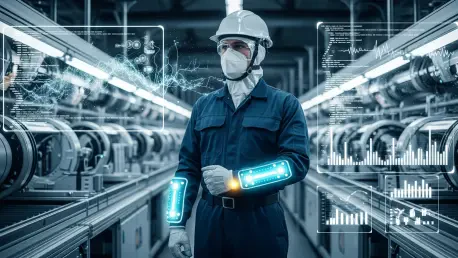
The implementation of smart sensors within traditional personal protective equipment represents a fundamental shift in how site supervisors manage daily operations. These devices are designed to monitor heart rates, body temperature, and even posture, sending immediate alerts to a central dashboard when a worker’s vitals deviate from safe ranges. Building on this foundation, Citadel’s new technological capabilities allow for the deployment of haptic feedback systems that warn employees of nearby hazards through subtle vibrations. Such immediate communication reduces the cognitive load on workers who would otherwise have to rely solely on visual or auditory cues in noisy environments. This approach naturally leads to a more responsive safety culture where the data collected serves as a protective layer rather than a surveillance tool. By focusing on the immediate physiological needs of the workforce, companies can reduce the frequency of overexertion injuries that previously plagued heavy industries.
Beyond simple monitoring, the refined sensor technology facilitates a deeper understanding of the physical demands placed on employees in specific high-stress roles. When these biometric tools are combined with localized environmental sensors, a comprehensive picture of the workspace emerges, identifying micro-climates or zones that pose higher risks. For example, a technician working in a confined space can now be monitored for oxygen levels and toxic gas exposure simultaneously while their internal body temperature is tracked. This dual-layer protection ensures that if environmental conditions worsen, or if the individual’s physical state declines, extraction teams can be dispatched immediately. This level of precision was previously unattainable with traditional safety methods, which often relied on manual logging. The acquisition ensures that these technologies are deeply embedded into the core product offerings, making advanced protection accessible to a wider range of industrial sectors globally.
Analytics: Predictive Modeling
The collection of vast quantities of safety data is only valuable if it can be analyzed to predict and prevent future incidents. Citadel’s integration of machine learning algorithms allows the safety management software to identify patterns that might be invisible to the human eye. By analyzing historical data from thousands of shifts, the system can flag specific times of day or specific tasks that correlate with a higher incidence of near-misses. This allows management to intervene with targeted training or adjusted schedules, effectively neutralizing risks before they result in actual injuries. Moreover, the predictive nature of this technology shifts the focus from insurance compliance to genuine risk reduction. Companies utilizing these tools have observed a notable decrease in downtime, as fewer accidents lead to more consistent production cycles. The ability to model different scenarios based on real-time workforce data enables leaders to make more informed decisions regarding staffing.
The strategic integration of these advanced safety technologies provided a clear roadmap for organizations seeking to modernize their protective frameworks. It was evident that the move toward a data-centric approach required more than just new hardware; it demanded a fundamental shift in corporate mindset regarding employee well-being. By prioritizing proactive monitoring, the industry moved away from reactive measures that only addressed injuries after the fact. Companies should now focus on establishing transparent data governance policies to protect worker privacy while maximizing the benefits of biometric insights. Future safety initiatives ought to integrate these data streams into overall operational planning to ensure that risk mitigation is built into the production schedule. This shift transformed safety from a compliance cost into a competitive advantage, proving that the marriage of human intuition and precision was the key to sustainable growth and worker longevity.