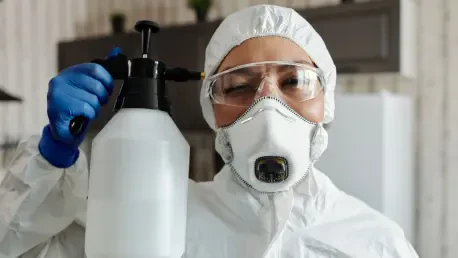

Stricter binding exposure limit values are being introduced for cobalt and its inorganic compounds to protect laborers involved in the expanding battery production industry. This regulation comes as part of the sixth revision of the European Union’s directive on hazardous substances at work, representing a transformative milestone in the continent’s occupational health policy. By focusing on carcinogenic, mutagenic, and reprotoxic materials, the updated legislation modernizes how member states manage chemical risks in an era defined by rapid industrial shifts. The reform is a direct response to a persistent public health crisis, given that occupational cancer remains the primary cause of work-related fatalities across European member states. By expanding the scope of protected professions and tightening exposure limits, the EU seeks to prevent tens of thousands of chronic illnesses. This initiative prioritizes human safety over industrial convenience, ensuring that the health of the workforce remains a central pillar of economic growth.
First Responders and Industry: Protecting the Modern Workforce
A groundbreaking aspect of the revision is the formal recognition of the unique hazards faced by first responders and emergency services personnel across the region. Historically, these workers were often overlooked by traditional occupational safety regulations because they operate in unpredictable and highly volatile environments rather than controlled factory settings. The new rules mandate that employers and public agencies assess and minimize exposure during fires, chemical spills, and other emergency interventions. This development is especially critical in the current landscape where the frequency and intensity of environmental disasters are increasing. By acknowledging the specific risks inherent in emergency response, the directive ensures that those who protect the public are themselves protected by law. This includes requirements for specialized decontamination procedures and the provision of advanced equipment that can withstand the rigors of modern emergency scenarios.
To further bolster worker safety, the directive introduces binding occupational exposure limits for several high-risk substances frequently found in modern manufacturing and heavy industry. These include cobalt and its inorganic compounds, which are essential for the production of high-capacity batteries and various industrial alloys. Additionally, polycyclic aromatic hydrocarbons have been targeted due to their prevalence in steel foundries, aluminum production, and coal tar distillation processes. By setting the maximum allowable concentration of these substances in workplace air, the EU provides a clear and enforceable regulatory framework for sectors that were previously operating under less stringent guidelines. These new limits are based on the latest toxicological data and reflect a consensus among health experts regarding the levels necessary to prevent chronic illness. This level of precision allows companies to invest in specific technologies that target these pollutants at their source.
Emissions and Engineering: Managing Complex Industrial Fumes
The directive takes a significant leap forward by explicitly including welding fumes within its regulatory scope for the first time in a comprehensive manner. Recognizing that these fumes are not a single entity but a complex mixture of substances like hexavalent chromium, nickel, and cadmium, the law requires that exposure be measured against specific limit values. This means that instead of a generic assessment, employers must now account for the individual hazardous components released during the welding process. This is particularly vital for sectors involving railway maintenance, metallurgical processing, and metal casting, where the chemical makeup of the smoke can vary wildly depending on the materials used. By focusing on the specific toxicity of the fumes, the directive addresses a long-standing gap in industrial safety. This change ensures that workers in heavy industry are no longer exposed to unidentified cocktail risks that could lead to severe respiratory conditions or various forms of cancer.
A central pillar of the new rules is the hierarchy of prevention, which dictates that personal protective equipment must be a last resort rather than a primary safety solution. Employers are legally obligated to first attempt to eliminate risks through technical innovations, such as closed-loop systems, improved ventilation, or the substitution of less hazardous materials. If elimination is not possible, organizational changes like staff rotation or restricted access to high-risk zones must be explored. This approach ensures that the burden of safety does not rest solely on the individual worker’s ability to wear and maintain protective gear. By forcing a focus on engineering and administrative controls, the directive promotes a more robust and systemic level of protection that is less prone to human error. This philosophy recognizes that while masks and suits are necessary in certain contexts, they should never be viewed as a substitute for a fundamentally safe and healthy working environment.
Healthcare and Accountability: Building a Transparent Safety Culture
The healthcare sector receives a renewed focus under the new directive, specifically regarding the handling of hazardous medicinal products such as chemotherapy drugs. Nurses, pharmacists, and doctors who prepare and administer these substances are often at risk of sub-chronic exposure, which can lead to reproductive issues and long-term health complications. The legislation mandates specialized, evolving training for these professionals to ensure they remain protected as new pharmaceutical developments enter the clinical environment. This training is not a one-time requirement but a continuous process that adapts to the latest medical technologies and safety protocols. By ensuring that those who provide care are themselves shielded from the toxic effects of the medicines they handle, the EU is strengthening the resilience of its healthcare systems. This focus on medical environments highlights that industrial toxins are not confined to factories but are a pervasive challenge across various modern professional landscapes.
Beyond specific industries, the legislation championed a culture of transparency regarding residual risk and the limitations of current safety thresholds. By informing workers that even low levels of exposure carry some degree of danger, the directive fostered a sense of vigilance and honesty within the labor market. Moving forward, businesses should have audited their chemical inventories and invested in automated monitoring systems to ensure compliance with the new binding limits. The transition period provided an opportunity for organizations to integrate these safety protocols into their broader corporate social responsibility strategies. Future considerations must include the ongoing assessment of emerging chemical compounds to prevent new risks from going unregulated. By prioritizing the health of the workforce, the European Union established a sustainable model that balances industrial productivity with the fundamental right to a safe working environment. These actions successfully shifted the narrative from managing illness to prevention.