
In the fast-paced modern professional environment where personal well-being often takes a backseat to deadlines and digital obligations, a massive shift in cardiovascular preventive care is currently unfolding across the national workforce through innovative outreach programs. This transformation is driven by the “Healthy Heart” workplace program, a collaborative initiative between the health-technology firm PocDoc and Pharmacy2U, which aims to provide accessible screenings to over 100,000 employees. The necessity for such a radical intervention is underscored by recent data indicating that more than 60% of eligible adults in England failed to attend their scheduled health checks due to the logistical nightmare of balancing professional duties with medical appointments. With cardiovascular disease claiming approximately 170,000 lives annually in the United Kingdom, the program represents a critical attempt to close the gap in preventive medicine by embedding clinical diagnostics directly into the employment hub.
Digital Integration: Transforming the Desktop Into a Clinic
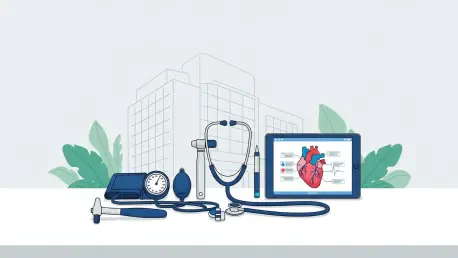
The technological foundation of this initiative relies on a sophisticated yet user-friendly diagnostic ecosystem that condenses complex lab work into a brief ten-minute encounter at the job site. Utilizing advanced microfluidic blood test kits paired with smartphone-based analysis, the program allows workers to obtain precise cholesterol readings without leaving their place of business. A central feature of this digital-first strategy is the generation of a “heart age” score, a metric that effectively translates abstract lipid profiles into a tangible and relatable comparison against a person’s actual chronological age. By visualizing health data in this manner, the software removes the clinical jargon that often prevents patients from fully understanding their personal risk factors. This immediate feedback loop is designed to trigger a psychological response that encourages more proactive engagement with health choices while turning the smartphone into a gateway for cardiac health.
Beyond the initial screening, the program introduces a comprehensive support framework that prevents the common pitfall of data without direction for those who might feel overwhelmed by results. Participants who receive their results are not simply left with a set of numbers; they are integrated into an eight-to-ten-week advisory period managed by professional pharmacists. This stage of the process provides personalized lifestyle recommendations and direct access to medical consultations, ensuring that any identified risks are met with immediate, actionable strategies. By involving Pharmacy2U’s extensive network of clinical experts, the initiative creates a functional bridge between the workplace and long-term primary care. This structured follow-up is essential for converting a one-time diagnostic event into a sustained health trajectory, which ultimately reduces the strain on emergency services. Moreover, the integration of pharmacy advice democratizes medical expertise for everyone involved.
Corporate Stewardship: Balancing Productivity With Proactive Wellness
The involvement of major national entities such as Royal Mail highlights a significant shift in how large-scale organizations perceive their role in the biological well-being of their staff members. By partnering with healthcare tech providers, these corporations are demonstrating that employee health is a core pillar of operational sustainability rather than an external variable to be ignored. The economic implications are considerable, as the proactive management of cardiovascular risks directly correlates with a reduction in long-term absenteeism and the associated costs of sick leave. When a company provides on-site screenings, it effectively eliminates the need for employees to take time off for routine medical visits, thereby protecting productivity while simultaneously fostering a culture of care. This alignment of business interests with public health goals suggests that the workplace is no longer just a site of labor, but a vital node in the national health infrastructure that ensures economic stability.
The human dimension of these technological advancements is perhaps best illustrated by the stories of individuals whose lives were fundamentally altered by sudden cardiac events during their careers. For instance, the experience of Carl Lockwood, a postal worker who survived an unexpected cardiac arrest, serves as a poignant reminder that heart conditions do not always present obvious symptoms. His subsequent advocacy for early screening emphasizes that cardiovascular risk is often invisible, affecting even those who appear physically fit or active in their daily roles. By bringing diagnostic tools to the job site, the program honors the reality that many workers, particularly those in mobile or physically demanding positions, may lack the opportunity to prioritize their heart health. These individual narratives transform the abstract statistics of cardiovascular mortality into a compelling case for widespread corporate adoption, ensuring that the next generation of employees does not rely on reactive medicine.
Future Directions: Scaling Preventive Models Beyond the Office
Expanding the reach of cardiac screening programs into diverse industrial sectors requires a synchronized effort between policymakers and private enterprise to ensure long-term viability in 2026. As these digital diagnostic tools become more sophisticated, the integration of workplace health data into broader electronic health records will be necessary to provide a holistic view of a patient’s medical journey. This connectivity would allow primary care physicians to receive real-time updates on high-risk individuals detected within the workplace setting, enabling a faster transition to clinical intervention. Furthermore, the expansion of such programs into smaller businesses and remote work sectors could further equalize health outcomes across different socioeconomic groups. The focus must remain on making these technologies as unobtrusive as possible, ensuring they fit seamlessly into the rhythm of the workday without causing unnecessary stress for the participating staff members.
The implementation of this program provided a clear pathway for future health interventions by proving that accessibility was the primary barrier to preventive care for most adults. In response to these developments, organizations moved toward adopting automated screening kiosks and integrated health platforms as standard employee benefits for the duration of the 2026 to 2028 fiscal period. Medical experts suggested that the next phase of this evolution involved the application of artificial intelligence to predict cardiovascular events based on long-term data trends collected at the point of care. To maintain this momentum, businesses were encouraged to formalize wellness partnerships that offered more than just seasonal check-ups, prioritizing instead a continuous cycle of monitoring. These efforts effectively shifted the responsibility of health management to a shared commitment. The success of the model established that the workplace functioned as an ideal environment for life-saving screenings.