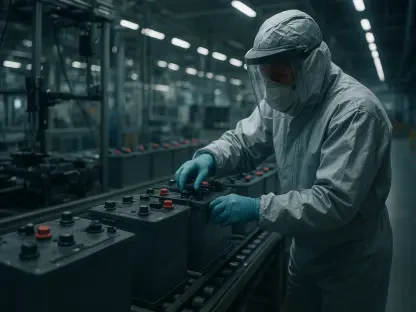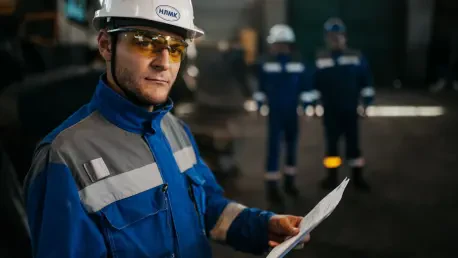

The technical expertise required to evaluate chemical exposure and ergonomic risks makes field inspectors the primary guardians of corporate operational integrity. In the current industrial landscape, a significant disconnect persists between high-level sustainability reporting and the physical reality of day-to-day operations. While executive boards prioritize Environmental, Social, and Governance frameworks to satisfy global investors, a persistent accountability gap often remains between paper-based promises and factory floor practices. Ground-level safety inspectors serve as the vital link in this chain, transforming abstract corporate goals into verifiable operational standards that ensure workplace conditions match official disclosures. This functional alignment is the only way to move corporate accountability from a conceptual exercise to a lived organizational standard. Without these professionals, the distance between stated intent and actual practice would widen, leading to systemic vulnerabilities that threaten both workers and the long-term viability of the enterprise itself.
Bridging the Credibility Gap: A New Standard for Sustainability
Despite the widespread adoption of sophisticated reporting standards, a staggering majority of global investors remain skeptical of voluntary corporate sustainability claims. This lack of trust stems from a reliance on self-reported data that often lacks independent, physical verification from the facility floor. In the current year, stakeholders are demanding more than just glossy brochures; they require granular evidence that safety protocols and environmental protections are functioning as intended. Without rigorous on-site auditing, corporate documents run the risk of being dismissed as greenwashing, serving more as aspirational marketing tools than factual accounts of a company’s impact. Professional safety inspectors mitigate this skepticism by providing a necessary audit trail through direct physical verification. By documenting the daily realities of the workplace, these experts transform subjective claims into credible, evidence-based data points that can withstand intense external scrutiny.
The role of a health and safety inspector has evolved into a high-stakes technical position requiring a unique blend of scientific knowledge and interpersonal skill. These professionals must possess the expertise to evaluate complex chemical thresholds, ergonomic risks, and spill containment protocols to ensure they align with stated corporate policies. Every walkthrough produces a detailed log of operational reality, creating a practical baseline that informs both internal management decisions and external regulatory compliance. Beyond technical proficiency, inspectors act as critical mediators between management and frontline staff. Successful hazard detection relies heavily on working trust, as employees who handle machinery daily are often the first to notice emerging risks. This human element is a cornerstone of accurate risk assessment, ensuring that the data gathered is not just a snapshot of a single moment, but a reflection of the ongoing operational integrity maintained within the facility throughout the year.
Operational Excellence: Merging Safety and Environmental Goals
A fundamental finding in modern industrial management is the inextricable link between workplace safety and environmental stewardship. Hazards rarely exist in isolation; for instance, a leaking chemical drum represents both an immediate health threat to the workforce and a potential source of soil or water contamination. By recognizing that these two disciplines occupy the same physical space, forward-thinking organizations are increasingly adopting unified inspections to streamline their oversight and eliminate redundant data. Leveraging integrated standards like ISO 45001 for safety and ISO 14001 for environmental management allows inspectors to catch non-compliance issues before they escalate into significant crises. A failing exhaust system or an unlabeled waste container is often the first sign of a larger systemic failure. By empowering inspectors to monitor both safety and environmental health simultaneously, companies can prevent minor operational oversights from turning into major regulatory violations.
The financial and legal stakes for workplace safety have reached unprecedented levels due to aggressive oversight from federal agencies like the Occupational Safety and Health Administration. With tens of thousands of inspections occurring annually and penalties for willful violations now exceeding $165,000 per instance, safety verification has transitioned from a back-office chore to a strategic risk-mitigation tool. These rising costs make a compelling economic case for proactive hazard resolution and structured training as essential business investments. Organizations that treat these inspections as a strategic asset rather than a regulatory burden are better positioned to avoid the massive financial and reputational damage associated with official penalties. This shift in perception acknowledges that the cost of prevention is significantly lower than the cost of remediation or litigation. Consequently, the safety inspector has become a central figure in protecting the organization’s bottom line while ensuring the welfare of its most valuable resource.
Strategic Realignment: Future Steps for Corporate Integrity
To truly close the accountability gap, executive teams must reframe their approach to safety by viewing field verification as a strategic asset rather than a cost center. There is often a significant funding disparity where marketing budgets for sustainability dwarf the resources allocated to the personnel conducting the actual site audits. This disconnect creates a compliance risk where public targets for safety or carbon reduction are publicized without the actual inspection capacity to ensure those goals are being met. By integrating safety inspectors into the executive decision-making process, corporations can ensure their sustainability programs are backed by tangible evidence. This shift toward an operations-led model not only improves safety outcomes across all facilities but also helps retain highly skilled compliance personnel who feel their technical contributions are valued. Ultimately, aligning the factory floor with the corporate boardroom is the only way to achieve authentic transparency and long-term industrial success.
The organizations that successfully navigated these challenges integrated their safety verification processes into the very core of their strategic planning. These leaders recognized that ground-level insights provided the only reliable foundation for corporate claims, moving beyond the superficiality of traditional reporting. They empowered inspectors to act as proactive consultants who identified systemic weaknesses before they resulted in injury or environmental degradation. By prioritizing the technical and interpersonal expertise of these field professionals, the corporate world fostered a culture of genuine accountability that resonated with both employees and external investors. This approach ensured that sustainability was not merely a set of distant goals but a daily operational reality. The transition toward evidence-based management provided a clear path forward, where the integrity of the factory floor dictated the credibility of the brand. This alignment of physical safety and corporate strategy defined the new standard for responsible and profitable industrial operation.