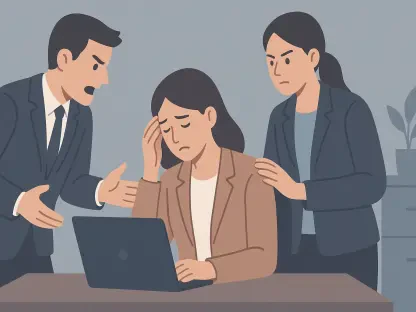

A demographic breakdown shows that Millennials aged 30 to 45 represent half of the workforce currently struggling with the intersection of occupational burnout and sexual health issues. This realization marks a significant departure from traditional views that categorized workplace stress merely as a mental fatigue or productivity concern. Instead, the current professional climate in Canada suggests that high-pressure environments are actively bleeding into the most intimate aspects of life, creating a physiological crisis that many men are unprepared to navigate. As the boundaries between the digital office and the home continue to dissolve, the physical toll of chronic cortisol exposure is manifesting in ways that directly impact reproductive and sexual well-being. This evolving health landscape requires a fundamental shift in how both medical professionals and corporate leaders approach the concept of employee wellness, moving beyond simple stress management into a more comprehensive understanding of biological health.
The Statistical Reality: Quantifying the Impact
Measuring the Professional Strain on Physical Health
Recent comprehensive surveys conducted across major Canadian metropolitan areas reveal a staggering correlation between professional exhaustion and physical intimacy. Over one-third of the male workforce reported that workplace stress has actively damaged their sexual health within the last year, highlighting a systemic failure in current occupational health standards. This is not a localized issue but a national trend that spans various sectors, from high-stakes finance to the increasingly demanding tech industry. The data indicates that men experiencing chronic workplace stress are 2.5 times more likely to struggle with symptoms of erectile dysfunction compared to those in more balanced environments. This physiological response to environmental pressure suggests that the body is prioritizing survival mechanisms over reproductive functions, a clear sign that the modern workplace is pushing human biological limits to a breaking point that can no longer be ignored by the healthcare system.
The physical manifestations of this stress are often accompanied by a total depletion of the energy required for a healthy private life. Approximately 38% of surveyed men admitted to avoiding sexual intimacy entirely because they felt mentally and physically hollowed out by their professional responsibilities. This avoidance is not merely a lack of desire but a functional preservation of energy, as the body attempts to recover from the relentless demands of the 2026 labor market. For many, the transition from a high-stress workday to a relaxed personal evening has become nearly impossible, leading to a persistent state of fight-or-flight that suppresses natural physical responses. The ripple effects of this exhaustion extend far beyond the individual, impacting relationship stability and long-term emotional health. When the workplace consumes the entirety of a person’s vitality, the resulting vacuum in their personal life creates a feedback loop of stress, isolation, and further physical decline.
Analyzing the Vulnerability of Younger Professionals
While burnout was once considered a mid-career crisis, the data shows that Gen Z and Millennial professionals are now at the forefront of this health crisis. These younger cohorts, who make up over 80% of those reporting significant sexual health issues linked to work, are entering a job market that demands constant connectivity and high output. The pressure to establish financial stability in an increasingly competitive environment has led many to deprioritize their physical health in favor of career advancement. However, the biological cost of this trade-off is becoming evident much earlier in their lives than seen in previous generations. This trend suggests that the cumulative effect of digital burnout and economic pressure is accelerating the onset of physiological symptoms that were traditionally associated with older age groups. The younger workforce is finding that professional success often comes at the cost of the very vitality they need to enjoy the fruits of their labor in their private lives.
This demographic shift also points to a changing set of expectations regarding what constitutes a healthy work-life balance. Younger men are more likely to recognize the symptoms of burnout but are simultaneously under more pressure to perform within lean corporate structures. The conflict between their desire for health and the reality of their workload creates a unique form of psychological distress that further exacerbates sexual health complications. Because these professionals are in their prime reproductive years, the impact of workplace-induced dysfunction has broader implications for family planning and societal health trends. Addressing these issues requires more than just individual resilience; it necessitates a structural change in how entry-level and mid-level roles are designed. Without intervention, the current trajectory suggests that the most productive members of the workforce will continue to face declining physical health outcomes that could have been prevented with better occupational safeguards.
Overcoming StigmRedefining Medical Conversations
Bridging the Gap Between Cause and Symptom
A significant obstacle to effective treatment remains the psychological gap between the workplace cause and the physical symptom. Many men who seek medical help for sexual health issues rarely identify their careers as the primary culprit, often misattributing their struggles to aging or personal relationship conflicts. This disconnect is frequently fueled by a long-standing social stigma surrounding male mental health, which makes it difficult for men to admit that they are emotionally or mentally overwhelmed. By focusing solely on the physical symptom, patients and providers often miss the underlying environmental triggers that are driving the biological response. This failure to connect the dots leads to treatments that may address the immediate physical issue but do nothing to resolve the systemic burnout that caused it. Effective intervention must therefore start with a more holistic assessment that includes a detailed review of the patient’s professional life and stress levels.
The internal narrative that many men hold—that admitting to burnout is a sign of professional weakness—prevents them from having honest conversations with their doctors. However, the research indicates that the terminology used in clinical settings can significantly alter a patient’s willingness to engage. Nearly 60% of men reported that they would be more open to pursuing support if the issue were framed as a symptom of “burnout” or “occupational stress” rather than a standalone sexual failure. This shift in language allows men to view their health struggles as a logical consequence of an external environment rather than an internal personal deficiency. When healthcare providers use burnout-focused language, they create a safer space for patients to explore the true origins of their symptoms. This reframing is essential for breaking down the barriers of pride and fear that often keep men from receiving the comprehensive care they need to restore their physical and mental vitality.
Enhancing Diagnostic Accuracy Through Workplace Awareness
Medical professionals are beginning to integrate work-related stress assessments into standard sexual health screenings, recognizing that the office environment is a primary determinant of health. By asking specific questions about workload, sleep quality, and professional pressure, clinicians can better differentiate between organic physiological issues and stress-induced symptoms. This proactive approach ensures that the treatment plan is tailored to the actual root of the problem, whether that involves lifestyle changes, workplace advocacy, or medical support. The integration of these factors into the diagnostic process reflects a broader understanding of how the modern world affects the human body. As the link between the brain, the endocrine system, and sexual health becomes clearer, the medical community is moving away from siloed treatments toward an integrated model of care that accounts for the external pressures of the 2026 professional landscape.
Furthermore, the role of the general practitioner has expanded to include a level of coaching on how to manage the physical toll of a high-pressure career. Doctors are increasingly providing patients with the tools to advocate for their health within their organizations, recognizing that a prescription alone cannot solve a problem rooted in overwork. This shift helps patients understand that their bodies are sending them vital signals about their environment that must be listened to. When a patient understands that their sexual health is a barometer for their overall stress levels, they are more likely to make the necessary adjustments to their work habits. This education is a critical component of modern medicine, as it empowers individuals to take control of their health before temporary symptoms turn into chronic conditions. The ultimate goal is to foster a medical culture where workplace health is viewed as just as critical as cardiovascular or nutritional health.
Professional Risks: Addressing Burnout as a Safety Hazard
Integrating Sexual Health Into Occupational Safety
From an occupational health and safety perspective, chronic burnout must be reclassified as a systemic hazard rather than a personal failing of the employee. When stress manifests as significant physical health crises, it indicates a level of exhaustion that can lead to decreased safety compliance, cognitive lapses, and a higher risk of accidents on the job. The silence surrounding these issues creates a dangerous feedback loop where untreated stress leads to further decline in performance, which then generates even more stress. Leaders who ignore the physical health of their workforce are inadvertently creating a more volatile and less reliable environment. By recognizing that sexual health is a sensitive but accurate indicator of an employee’s total health status, organizations can better identify when their teams are reaching a point of dangerous depletion. This perspective shifts the responsibility from the individual to the organization’s structural design.
Viewing burnout through the lens of safety also allows for the implementation of more rigorous wellness protocols that go beyond superficial perks. If an organization identifies that a high percentage of its workforce is struggling with stress-induced health issues, it must evaluate its workload distribution and communication expectations. The goal is to move toward a model where “vitality” is protected as a core business asset, much like physical machinery or intellectual property. When employees are physically and mentally healthy, they are more resilient, more creative, and less prone to the types of errors that cause significant operational disruptions. This approach requires a cultural shift where health is not seen as something that happens only outside of work hours, but as something that is actively maintained through responsible management and realistic professional expectations. Safety is not just about avoiding immediate injury; it is about ensuring the long-term biological integrity of every worker.
Implementing Proactive Corporate Wellness Strategies
To effectively combat this crisis, employers are now tasked with creating private, low-friction pathways for men to seek help without fear of professional repercussions. This includes optimizing Employee Assistance Programs to focus specifically on burnout recovery and its physiological impacts, ensuring that resources are both accessible and discreet. Companies that have successfully navigated this transition often frame their wellness initiatives around “restoring vitality” and “combating environmental stress,” which resonates more effectively with male employees than traditional mental health rhetoric. By providing these targeted resources, organizations can help men identify the link between their workload and their health before it reaches a crisis point. This proactive stance not only improves the quality of life for the individual but also safeguards the company’s productivity and moral standing in an increasingly health-conscious market.
Furthermore, leadership must model these behaviors by establishing “safe spaces” where discussing the physical toll of work is normalized rather than stigmatized. When senior executives are transparent about the importance of recovery and health, it sets a precedent that the rest of the organization will follow. This cultural change is essential for ensuring that wellness programs are actually utilized by those who need them most. In addition to support programs, organizations are exploring structural changes such as mandatory “disconnection periods” and restructured project timelines that prioritize sustainable output over short-term gains. These interventions demonstrate a commitment to the whole person, recognizing that a healthy, balanced worker is a more effective and loyal contributor in the long run. The integration of health into the corporate strategy is no longer a luxury; it is a necessity for any organization looking to thrive in the complex professional environment of 2026.
Future Strategies for Workforce Vitality
The comprehensive research conducted throughout this period established a clear and undeniable link between the pressures of the Canadian workplace and the decline in male sexual health. Stakeholders determined that the path forward required a dual approach: clinical reframing of stress-related symptoms and a radical restructuring of corporate wellness priorities. It was recognized that the medical community had to lead the way in stripping away the stigma associated with these issues by linking them directly to the environmental hazard of burnout. By shifting the conversation toward biological recovery and vitality, providers were able to reach a larger portion of the workforce that had previously suffered in silence. This shift in perspective proved vital in transforming how patients viewed their symptoms, moving from a sense of personal failure to a proactive focus on environmental management and health restoration.
In the corporate sector, the focus turned toward the implementation of sustainable labor practices that prioritized the long-term physical integrity of employees. Leaders identified that the most effective next steps involved the deployment of data-driven wellness programs that targeted the specific demographic needs of Millennials and Gen Z workers. These initiatives focused on reducing the “friction” of seeking care and ensuring that health support was integrated into the daily flow of the professional environment. The transition toward viewing burnout as a safety risk provided the necessary leverage to change organizational policies regarding workload and digital connectivity. As these strategies were adopted, the goal remained to ensure that the Canadian workforce could maintain high levels of productivity without sacrificing their personal well-being or physical health. The future of the labor market was defined by this commitment to a balanced, healthy, and vital workforce.