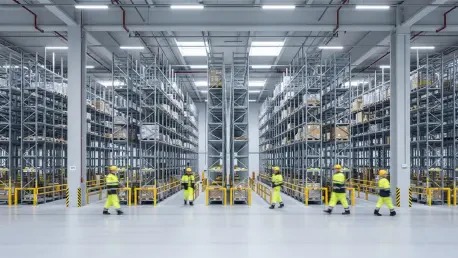

The catastrophic failure of a high-pressure valve in a modern manufacturing plant often stems not from a lack of written protocols but from the subtle erosion of attention that accompanies years of incident-free operation. When safety is treated merely as a checklist, it becomes a secondary concern, trailing behind the immediate pressures of production deadlines and efficiency. Many executives mistakenly believe that a comprehensive handbook is sufficient to satisfy legal requirements, yet the most sophisticated rulebook cannot account for human fallibility in the heat of the moment. Instead of viewing safety as a set of restrictions, the most successful organizations have transformed it into a core cultural value that informs every decision. This shift in perspective ensures that vigilance remains a constant priority, preventing the complacency that precedes major industrial accidents. By moving beyond simple compliance, companies foster an atmosphere where every individual understands their role in maintaining a secure workspace.
Strategy: Breaking the Cycle of Complacency
Familiarity with a particular task often breeds a dangerous sense of invulnerability, leading workers to skip essential steps because they have performed the action thousands of times without negative consequences. This phenomenon, frequently described as “autopilot,” is perhaps the single greatest threat to operational safety in modern industrial settings. To combat this, innovative managers have begun implementing creative interventions designed to break the cycle of routine and refocus the employee’s attention on the task at hand. These strategies might include the use of specific mnemonic devices or the introduction of lighthearted but meaningful reminders during repetitive operations. Such techniques are not merely superficial additions; they serve as critical cognitive resets that force the brain to re-engage with its surroundings. Statistics indicate that injuries often occur during simple chores rather than high-stakes maneuvers where focus is naturally heightened. By identifying these moments of vulnerability, organizations can deploy targeted awareness campaigns that keep staff alert.
Developing a culture of constant vigilance provides a necessary foundation for a company’s financial stability and legal integrity in the face of evolving industry standards. Neglecting rigorous safety protocols creates an enormous liability, potentially exposing the organization to crippling fines from regulatory bodies, expensive lawsuits, and rising workers’ compensation claims. Beyond the obvious fiscal repercussions, a lack of focus on well-being can devastate internal morale and erode the trust between management and the labor force. Conversely, when a business demonstrates an unwavering commitment to the health of its staff, it creates a profound sense of psychological security. This peace of mind is not merely a comfort; it is a catalyst for productivity, allowing workers to dedicate their mental energy to their responsibilities without the underlying fear of preventable harm. When individuals feel that their lives are valued more than the speed of production, their loyalty and engagement levels naturally increase.
Implementation: Cultivating Active Safety Advocacy
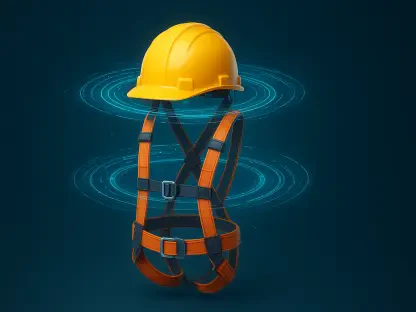
Moving a workforce from a state of passive compliance to active advocacy requires a fundamental shift in perspective that is best achieved through direct, immersive experience. Traditional classroom lectures often fail to resonate because they lack the visceral impact of real-world application, leading many workers to view safety gear as a cumbersome nuisance rather than a lifeline. To bridge this gap, forward-thinking firms are utilizing interactive training sessions that involve simulated hazards and obstacle courses designed to mimic the actual challenges of the job. When a skeptical employee participates in a simulation where a helmet or a pair of impact-resistant gloves prevents a simulated injury, the value of that equipment becomes undeniable. This hands-on approach transforms the perception of safety protocols from a set of external rules into a personal toolkit. Once workers grasp the practical utility of these measures, they often transition into vocal supporters of the safety culture.
A company’s public commitment to a high standard of workplace safety serves as a powerful testament to its core values, significantly enhancing its reputation with clients, investors, and the community. In the competitive landscape starting from 2026 and moving toward the end of the decade, a clean safety record has become an essential recruitment tool for attracting top-tier talent. High-quality professionals increasingly prioritize working for organizations that demonstrate a genuine concern for employee welfare, viewing a safe environment as a proxy for overall management quality. By investing in comprehensive training and state-of-the-art protective equipment, a business effectively communicates that it values long-term stability over short-term shortcuts. This reputation for care and precision often leads to stronger relationships with partners who align with ethical brands. Furthermore, the logic that prevention is worth more than a cure remains accurate; the costs of robust safety programs are lower than the burden of medical bills and repairs.
Evolution: Sustaining a Proactive Safety Workforce
Safety truly thrives when it is treated as a collective responsibility where every member of the team feels fully empowered to intervene when they spot a potential hazard. This empowerment is particularly crucial during periods of organizational change or expansion, when the risk of accidents naturally spikes due to unfamiliarity with new processes. Open lines of communication are the lifeblood of this proactive culture, as they allow for the rapid reporting of minor glitches or near-miss incidents before they escalate into failures. Leaders must actively encourage this feedback, ensuring that employees feel comfortable speaking up without the fear of being blamed or dismissed. By fostering an environment where even the most junior staff member can halt production to address a safety concern, an organization creates a heightened awareness that acts as a protective shield. This level of engagement turns the employees into a dynamic net of observers who look out for one another’s well-being daily.
The transition from a rule-based safety model to a mindset-oriented culture required a deliberate focus on integrating emerging technologies with human-centric training strategies. Effective leaders recognized that wearable sensors and AI-driven monitoring systems provided invaluable data, but these tools only succeeded when paired with an empowered workforce that knew how to interpret the information. Organizations that achieved the highest safety ratings prioritized the regular auditing of internal communications to ensure that feedback remained uninhibited by hierarchy. Looking ahead, managers considered the integration of augmented reality for real-time hazard identification, allowing workers to visualize invisible risks like electrical currents before they became threats. This evolution meant that safety was no longer a static goal but a continuous process of adaptation. By treating every near-miss as a data point for improvement, companies built resilient systems capable of withstanding the pressures of the modern industrial era while protecting their most valuable human assets.