

The traditional health insurance industry has long relied on administrative inertia and opaque actuarial models that effectively penalize small business owners for their lack of corporate scale. This structural imbalance created a vacuum where legacy carriers prospered through complexity while

The thin line between professional exhaustion and legal disability has become one of the most contentious battlegrounds for corporate legal counsel and human resources departments in 2026. As the modern workforce grapples with the fallout of permanent connectivity and evolving output expectations,

Stricter binding exposure limit values are being introduced for cobalt and its inorganic compounds to protect laborers involved in the expanding battery production industry. This regulation comes as part of the sixth revision of the European Union’s directive on hazardous substances at work,

Physical disabilities remain the most prevalent form of workplace challenge, with pain-related issues affecting sixty-three percent of all employees who identify as disabled. The Canadian Union of Public Employees has released a transformative framework designed to redefine the parameters of

When an executive level employee returns from a protected medical leave only to find their position eliminated under the guise of a corporate restructuring, the legal spotlight immediately shifts toward the specific justifications provided by the employer. The case at CW Manufacturing serves as a
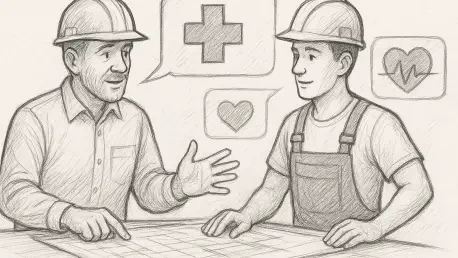
Employers in the trades are increasingly adopting upstream prevention strategies to intervene and provide care before a physical strain evolves into a long-term disability claim. This proactive shift marks a departure from traditional, reactive insurance models that often wait for a catastrophic