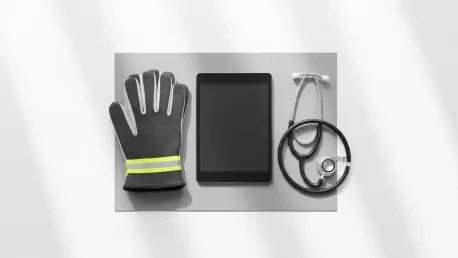
The intersection of workplace inclusivity and operational safety has reached a critical juncture where legal obligations to accommodate individuals with disabilities must be weighed against the potential risks to public wellbeing. While the Americans with Disabilities Act provides a robust

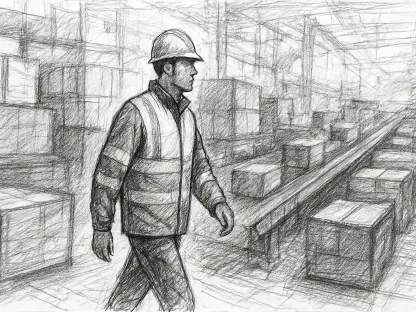
A sophisticated industrial facility typically operates with such seamless precision that the subtle shift from active engagement to subconscious routine among its workforce remains largely invisible until a critical incident occurs. This biological phenomenon, frequently termed as operating on
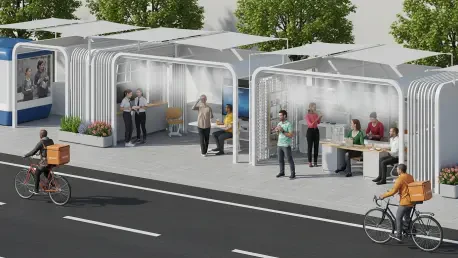
As record-breaking heatwaves continue to reshape the American landscape, laborers on the front lines of construction, delivery, and agriculture are finding themselves in a perilous battle against rising mercury levels without a federal shield to protect them. The current regulatory environment

The traditional concept of a "drug-free workplace" is facing an unprecedented transformation as corporations grapple with a massive 46% increase in positive screenings alongside a rapidly shifting legal landscape that favors personal autonomy. This surge is not merely a statistical anomaly but a

The annual financial impact of mental health issues on the Canadian economy has surged to an unprecedented $180 billion, representing a significant portion of the gross domestic product. This massive economic hurdle reflects a workforce in decline, where the psychological well-being of employees
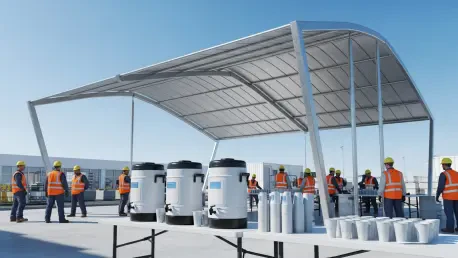
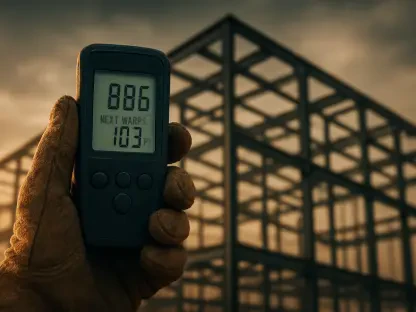
The unprecedented surge in seasonal temperatures throughout the California interior has forced state regulatory bodies to prioritize immediate intervention strategies for workplace safety. As the National Weather Service continues to issue extreme heat warnings and heat watches for regions