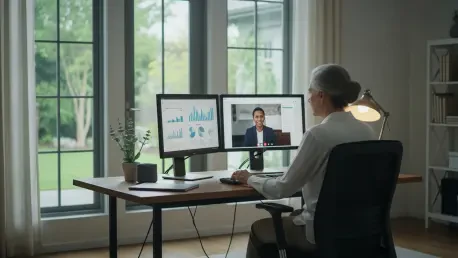

The traditional concept of a hard stop at age sixty-five has effectively vanished from the modern economic landscape as a generation of seasoned professionals chooses to remain active participants in the global market. Rather than viewing retirement as a final departure from productivity, many individuals now see it as an opportunity to pivot toward roles that prioritize personal fulfillment and temporal freedom. This transition is facilitated by a robust digital infrastructure that has matured to the point where physical presence is no longer a prerequisite for high-level contributions. Consequently, the labor market is witnessing the rise of a “silver economy,” where experience and institutional wisdom are traded for flexible hours and remote environments. This paradigm shift benefits not only the seniors who find renewed purpose and financial stability but also the organizations that gain access to a reservoir of expertise that younger demographics have yet to cultivate. By embracing the tools of the modern remote workplace, older workers are effectively rewriting the rules of aging in the professional sphere, proving that technical proficiency and decades of industry insight can thrive outside the traditional office walls. The elimination of the commute and the ability to design a personalized workspace have further lowered the barrier to entry, making it easier for those with mobility concerns or a desire for a better work-life balance to re-enter the fray on their own terms.
Maximizing Professional Expertise Through Remote Work
Strategic Leadership: Roles in Management and Analysis
Consulting and advisory services have emerged as the premier choice for senior professionals who wish to monetize their extensive histories in corporate management or technical leadership. These roles function by decoupling an individual’s specific skills from the necessity of a forty-hour workweek, allowing for a highly specialized “fractional” employment model. In this setup, a retired executive might serve as a temporary Chief Financial Officer or a strategic advisor for multiple startups simultaneously, providing guidance on scaling operations or navigating complex regulatory environments. The value proposition here is immense; companies receive world-class mentorship without the overhead of a full-time executive salary, while the senior professional retains the autonomy to choose projects that align with their interests. This arrangement often utilizes advanced collaboration platforms like Microsoft Teams or Slack and asynchronous communication tools, ensuring that the consultant can contribute effectively from a home office or while traveling. The focus remains squarely on outcomes and high-level decision-making rather than the minutiae of daily administration, which is a perfect fit for those who have spent decades mastering the nuances of their respective fields.
Beyond high-level consulting, the demand for specialized financial oversight and data interpretation has created a stable niche for seniors with backgrounds in accounting or economic analysis. Modern corporations frequently outsource complex tasks such as tax preparation, forensic auditing, and budget forecasting to experienced remote workers who possess the meticulous attention to detail required for such work. The reliability of an older professional, combined with their ability to interpret historical data through the lens of lived experience, provides a layer of security that software alone cannot replicate. For instance, a senior data analyst might identify subtle market patterns that younger colleagues overlook, drawing on their memory of previous economic cycles to inform future predictions. These positions typically offer predictable schedules and can be scaled up or down based on the individual’s desire for engagement. By leveraging familiar tools like cloud-based ERP systems and sophisticated spreadsheet software like Microsoft Excel, seniors can maintain a rigorous professional life that respects their need for a slower pace of physical life. This synergy between seasoned intuition and modern technology represents a significant evolution in how the workforce utilizes its most experienced members.
Creative Contribution: Sharing Knowledge and Artistic Talents
The editorial and creative sectors offer a unique blend of intellectual stimulation and creative freedom that is particularly appealing to those in the post-retirement phase of their lives. Freelance writing and technical editing allow individuals to apply their mastery of language and subject matter expertise to a variety of mediums, from industry white papers to digital memoirs. Unlike high-pressure corporate roles, these creative paths often allow for a more contemplative work process, where the quality of the narrative or the precision of the prose takes precedence over speed. This environment is ideal for seniors who have spent their careers communicating complex ideas and now wish to explore the more artistic or reflective aspects of their professional skills. Furthermore, the global nature of digital publishing means that an editor in Florida can collaborate with a publication in London or a tech firm in Singapore without ever leaving their living room. This lack of geographic constraint encourages a lifestyle of “digital nomadism” for the senior demographic, enabling them to work while visiting family or exploring new regions, thus integrating their professional and personal lives in a way that was previously impossible.
Education has undergone a radical transformation, moving from the physical classroom to virtual platforms that favor those with the patience and depth of knowledge typically found in older workers. Remote tutoring and professional coaching have become essential components of the lifelong learning ecosystem, providing seniors with a platform to mentor younger professionals or assist students in mastering difficult subjects. Whether it is a former engineer teaching calculus to university students or a retired HR director coaching mid-level managers on conflict resolution, the impact of this knowledge transfer is profound. These roles rely heavily on interpersonal skills—empathy, active listening, and the ability to explain complex concepts in accessible ways—which are traits that often peak later in life. The technology supporting these interactions, such as high-definition video conferencing via Zoom and interactive whiteboards, has become incredibly user-friendly, removing the technical barriers that once hindered remote teaching. By stepping into these mentorship roles, seniors not only stay mentally sharp but also fulfill a vital societal role by ensuring that valuable skills and cultural wisdom are passed down to the next generation, all while maintaining a schedule that prioritizes their own well-being.
Sustainable Growth: Accessible Roles for Diverse Skill Sets
Operational Continuity: Administrative and Service-Oriented Support
Virtual assistance and specialized administrative support provide a structured and dependable avenue for seniors who enjoy organization and logistical coordination. Many small to mid-sized businesses require the steady hand of an experienced administrator to manage calendars, handle sensitive correspondence, and oversee digital filing systems, but they may not need a person on-site. For a senior worker, this role offers a sense of daily accomplishment and a clear connection to the operational success of a business without the physical strain of a commute. Specialized niches like legal transcription or medical coding further expand these possibilities, allowing individuals to use their knowledge of specific terminologies and protocols in a remote setting. These roles often involve the use of proprietary software and secure databases, requiring a baseline of digital literacy that most modern seniors have already acquired or can easily master through brief online certifications. The predictability of administrative work is a significant draw, as it allows for a clear separation between working hours and personal time, ensuring that the “flexible” part of the job description is truly honored.
The customer service and travel consulting sectors have also seen a significant influx of senior workers who excel in roles that require high levels of emotional intelligence and patience. Companies are increasingly recognizing that older workers often possess a superior ability to de-escalate situations and provide a thoughtful, empathetic experience for customers compared to their younger, less experienced counterparts. In the travel industry, for instance, a senior consultant can draw on a lifetime of personal travel experience to provide nuanced advice that a computer algorithm or a novice agent simply cannot offer. These roles are typically performed via voice-over-IP systems or live chat interfaces, allowing the worker to remain comfortably at home. The shift toward remote customer service has eliminated the loud, stressful environment of traditional call centers, replacing them with a quiet, personalized workspace that suits the preferences of an older demographic. By focusing on quality of interaction rather than just volume, organizations are finding that their senior remote staff are often their most effective brand ambassadors, building long-term loyalty through genuine human connection and a professional demeanor that reflects decades of social experience.
Workforce Dynamics: The Strategic Value of Modern Senior Workers
Recent shifts in the labor market indicate that the “remote-first” philosophy is acting as a powerful equalizer for seniors who might have previously faced subtle age-related biases in physical office settings. When the primary mode of interaction is digital—through professional messaging apps, project management boards like Asana or Trello, and video calls—the focus naturally shifts toward the quality of work and the reliability of the contributor. This environment allows seniors to compete solely on their merits, effectively neutralizing many of the physical or social barriers that can sometimes hinder older workers in a traditional corporate culture. Furthermore, the remote model accommodates various lifestyle needs, such as managing health appointments or providing care for a family member, without requiring the worker to take formal leaves of absence or sacrifice their career trajectory. This adaptability is fostering a more inclusive economy where “retirement age” is becoming a flexible concept rather than a mandatory deadline. As companies continue to face talent shortages in high-skill areas, the willingness to adapt to the needs of the senior workforce is becoming a strategic necessity rather than just a progressive policy.
Looking ahead, the transition from active labor to high-level advisory roles represents the ultimate evolution of the senior career path, often referred to as the second act. This phase of professional life emphasizes soft skills like ethical judgment, strategic vision, and complex problem-solving—areas where years of experience provide a distinct competitive advantage. Organizations are increasingly creating alumni programs and formal mentorship pipelines that allow retiring employees to transition into these remote advisory roles, preserving institutional knowledge while giving the individual the freedom they desire. This symbiotic relationship ensures that the wisdom gained over decades is not lost but is instead repurposed to guide the next generation of leaders through the complexities of a globalized, tech-driven economy. By embracing this model, seniors are finding that they can enjoy the best of both worlds: the mental engagement of a meaningful career and the personal freedom of a flexible lifestyle. The narrative of aging is being fundamentally transformed from one of decline into one of ongoing contribution and personal growth, powered by the very technologies that once seemed to threaten traditional employment, ultimately creating a more vibrant and multi-generational workforce.
Strategic Evolution: The Path Toward a Multi-Generational Digital Future
The emergence of specialized platforms for the senior workforce successfully bridged the gap between experienced professionals and the modern digital economy. Organizations that prioritized the integration of older workers into their remote structures realized significant gains in stability and institutional memory. Moving forward, the focus shifted toward developing more comprehensive digital literacy programs specifically tailored for those re-entering the workforce after a brief hiatus. It became clear that the most effective strategy for seniors involved a proactive approach to continuous learning, ensuring they remained proficient in the latest collaborative tools. Governments and private entities also began to offer incentives for businesses that implemented phased retirement programs, which allowed for a gradual transition into remote advisory roles. These initiatives ultimately created a more resilient and diverse economic environment where age was treated as a valuable asset rather than a liability. The success of these remote opportunities provided a blueprint for a future where work was defined by contribution and skill rather than physical presence or chronological age. Individuals who maintained an active professional presence reported higher levels of life satisfaction and mental acuity, reinforcing the idea that productivity is a lifelong endeavor. This cultural transformation ensured that the wealth of knowledge held by the senior population continued to drive innovation and ethical standards across all sectors of the global economy.