
Short team-building activities known as Minis serve as high-impact, low-effort methods to maintain social capital and build rapport among distributed teams. Since the permanent integration of hybrid models became the standard for top-tier firms, the focus has pivoted toward refining these structures for maximum efficiency and psychological safety. This evolution is no longer a reactionary measure to external crises but a calculated business strategy designed to attract global talent and reduce overhead costs effectively. Organizations that successfully navigate this landscape recognize that the traditional nine-to-five office presence is an artifact of a bygone era. Instead, the focus is on creating a flexible yet cohesive environment where the physical and digital realms blend seamlessly. This transition requires a fundamental rethink of leadership, infrastructure, and communication protocols to ensure that every employee remains connected to the mission. By prioritizing structured flexibility, companies are setting new benchmarks for productivity and retention in the current professional market.
Establishing Structural Stability in Hybrid Schedules
Coordination: The Foundation of Shared Presence
One of the primary hurdles in the current hybrid environment is the phenomenon of coordination failure, where employees commute to a physical office only to spend the entire day on video calls with remote colleagues. This inefficiency erodes the value of the physical workspace and leads to significant frustration among the workforce. To combat this, modern organizations are implementing highly structured schedules, such as split-week or alternating-team systems, which ensure that team members are physically present at the same time. These frameworks provide the predictability required for effective face-to-face interaction and spontaneous brainstorming that digital tools often struggle to replicate perfectly. When a team knows exactly which days will be spent in person, they can reserve those specific hours for high-bandwidth tasks, such as conflict resolution, creative workshops, and complex project planning. This strategic alignment of physical presence with task types maximizes the return on the commute for everyone.
Optimization: Implementing Core Collaboration Windows
Beyond physical presence, establishing core collaboration hours has become an essential strategy for maintaining synchronous work in a distributed world. By defining specific windows of time when all employees must be available—regardless of their physical location or time zone—organizations drastically reduce scheduling friction and the endless back-and-forth of calendar invites. These core hours allow for deep-work blocks during the rest of the day, protecting employees from the burnout associated with constant digital interruptions and notification fatigue. Crucially, successful implementations of this strategy involve gathering direct input from the workforce to ensure the windows respect personal boundaries and modern life requirements. When employees are active participants in designing their work rhythms, their commitment to the organization’s objectives increases significantly. This collaborative approach to scheduling supports both business goals and the individual well-being of a diverse team, creating a more sustainable model.
Harnessing Advanced Digital Connectivity
Infrastructure: Building the Virtual Headquarters
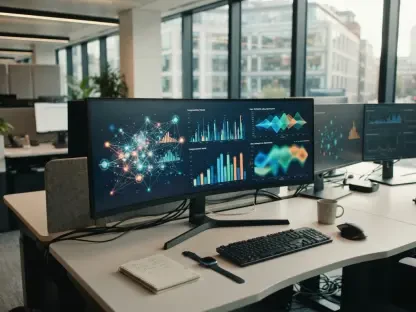
In a hybrid ecosystem, technology serves as the primary office floor that connects a distributed workforce across various geographic regions and time zones. Reliable communication platforms like Slack or Microsoft Teams act as the organizational nervous system, facilitating everything from complex project management to the quick, casual queries that once happened over a physical desk. A robust and integrated tech stack ensures that the flow of information remains constant and transparent, which is vital for preventing the social and professional isolation of remote participants. Organizations must invest in enterprise-grade software that bridges the gap between those in the physical building and those at home. This includes real-time document collaboration tools and high-quality audio-visual equipment that eliminates the frustration of dropped calls or poor visibility. When the digital infrastructure is seamless, the barrier between remote and in-office work begins to disappear, allowing for a unified experience.
Equity: Overcoming Proximity Bias through Asynchronicity
To level the playing field and maintain operational continuity, leaders are increasingly prioritizing asynchronous communication methods. By utilizing shared digital workspaces and recording all major meetings, companies ensure that institutional knowledge is documented and accessible to everyone at any time. This approach is instrumental in eliminating proximity bias, which occurs when in-office workers inadvertently receive more information or opportunities than their remote counterparts. Asynchronous workflows allow employees to process information and contribute their insights at their own pace, which often leads to more considered and higher-quality input. Furthermore, integrating specialized tools like desk-booking software and office navigation apps optimizes the use of physical space, making every trip to the office purposeful. By removing the logistical friction of finding a workspace or a colleague, technology enables employees to focus entirely on their objectives rather than administrative hurdles.
Fostering Social Cohesion and Space Utility
Engagement: Reimagining Human Interaction
Social fragmentation represents a significant risk when teams are split between locations, making intentional engagement a top priority for modern leadership. Unlike traditional office settings where social interaction happens by chance, hybrid leaders must proactively architect moments of connection to maintain team morale. Visual presence remains a powerful surrogate for physical presence, and maintaining high standards for video etiquette—such as keeping cameras on during collaborative sessions—has been shown to increase involvement levels significantly. Regular one-on-one check-ins serve as an early-warning system, allowing managers to spot signs of burnout or confusion before they escalate into major retention issues. These conversations should focus not only on task completion but also on the professional development and emotional health of the employee. By fostering a culture where every team member feels seen and valued, organizations can build the trust necessary to sustain a high-performing hybrid model.
Transformation: The Office as a Collaborative Hub
The physical office must undergo a fundamental functional transformation to justify the commute, shifting from a row of assigned desks to a series of specialized collaboration zones. Since employees primarily visit the office for high-bandwidth interaction and social connection, the space must be treated as a cultural hub rather than a site for mere supervision. This redesign involves creating flexible areas that can be easily adapted for group brainstorming, quiet individual deep work, or large-scale team presentations as the need arises. Investing in top-tier video conferencing hardware within these rooms is paramount, as it prevents the hybrid meeting from becoming a frustrating experience for remote participants. When technology and space design work in harmony, the office becomes an attractive destination that enhances the employee experience. This shift ensures that the physical footprint of the company is an asset that drives innovation and strengthens the shared identity of the workforce.
Transitioning toward Results-Oriented Management
Accountability: Prioritizing Output over Physical Presence
The most profound cultural shift in a successful hybrid model is the transition from presence-based monitoring to outcome-based performance management. In this modern professional era, monitoring a person’s desk time or their active status on a messaging app is an obsolete metric that does not correlate with actual productivity. Instead, managers must foster a culture of trust and autonomy, focusing entirely on defined deliverables and the qualitative impact of an employee’s work. This requires a clear definition of what success looks like for every role, moving away from subjective assessments toward objective data. By prioritizing results, organizations empower their employees to manage their own schedules and work environments, which lead to higher levels of satisfaction and loyalty. This change in philosophy acknowledges that talented professionals do not need constant oversight to excel; they need clear goals and the resources required to achieve them effectively.
Evolution: Redefining Performance Reviews for the Hybrid Era
To support this shift toward accountability, performance reviews have evolved from annual, formal events into ongoing and iterative conversations. By setting clear Key Performance Indicators and holding regular progress checks, organizations can significantly improve team performance while granting employees the flexibility they desire. These frequent touchpoints allow for real-time course corrections and ensure that every team member remains aligned with the broader strategic objectives of the company. Transparency is a key component of this process, as it ensures that expectations are understood by all parties and that achievements are recognized promptly. Data-driven reviews help to mitigate the impact of unconscious biases, ensuring that promotions and bonuses are awarded based on merit rather than visibility in the office. This modernized approach to management creates a high-performance culture that thrives on clarity, consistency, and a shared commitment to excellence.
Strategic Evolution and Adaptive Leadership
Resilience: Strengthening Organizational Agility
Achieving long-term success in a hybrid framework requires an organizational commitment to continuous adaptation and the regular collection of workforce feedback. The most resilient companies are those that treat their operating model as a living document, frequently adjusting their policies in response to technological advancements and changing employee needs. This iterative approach allows leaders to identify friction points early, such as a specific software tool that is no longer meeting the team’s requirements or a scheduling system that has become too rigid. By maintaining a data-driven feedback loop, organizations can ensure that their hybrid strategy remains a competitive advantage rather than a source of operational drag. This willingness to evolve is what distinguishes market leaders from their peers, as it demonstrates a proactive rather than reactive stance toward the changing nature of work. Agility and a growth mindset are the cornerstones of a sustainable professional future.
Implementation: Strategies for Long-Term Organizational Resilience
The transition to a sophisticated hybrid work model necessitated a comprehensive overhaul of legacy management styles and a significant investment in both digital and physical infrastructure. Organizations that prioritized clear communication and outcome-based metrics successfully unlocked higher levels of employee engagement and operational efficiency. By establishing predictable schedules and fostering intentional social connections, these businesses bridged the gap between remote and in-office experiences. The focus shifted toward creating a culture of trust, where autonomy was balanced with high standards of accountability and technological fluency. Moving forward, leaders should regularly audit their technological stacks and physical spaces to ensure they continue to meet the evolving demands of a global talent pool. These strategies provided a clear roadmap for navigating the complexities of the modern professional landscape, ensuring that productivity remained resilient. This holistic approach transformed hybrid work from a logistical challenge into a powerful strategic asset.