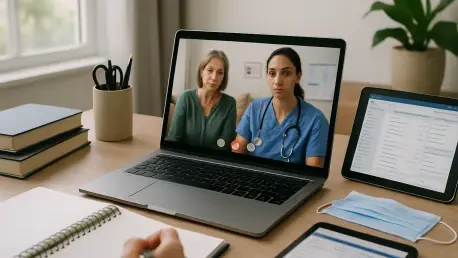
By matching students with patients based on shared culture and language, this platform ensures that outreach efforts are both personalized and effective for vulnerable populations. This innovative approach by Grapefruit Health addresses a long-standing challenge in medical education where students often lack opportunities to earn a living while gaining direct clinical experience. By 2026, the demand for remote healthcare solutions has surged, making such initiatives vital for the stability of the nursing workforce. Traditional clinical rotations provide hands-on skills, but they rarely offer the flexibility or financial compensation that modern students require to balance their rigorous academic schedules. This Chicago-based healthcare workforce company bridges this gap by employing nursing students as remote Patient Champions. These individuals perform essential tasks that improve patient outcomes and alleviate the burden on health systems. Through this model, students develop professional competencies while providing a crucial human connection to patients who might otherwise fall through the cracks of the healthcare system.
1. Submit an Application via the Official Website:
Applying to become a Patient Champion begins with a visit to the Grapefruit Health website, where candidates can start the formal recruitment process. While nursing students represent the primary demographic for these roles, the program is also inclusive of students pursuing degrees in pharmacy or social work. This interdisciplinary approach reflects the complexity of modern patient care, which often requires a combination of clinical knowledge, pharmaceutical oversight, and social support. Candidates are encouraged to highlight their academic background and any previous experience in community health or volunteer work. The application focuses on identifying individuals who demonstrate not only clinical curiosity but also a high level of empathy and professional reliability. By 2026, the integration of diverse student backgrounds into the healthcare outreach model has become a standard for organizations looking to improve their engagement metrics with hard-to-reach populations through consistent and meaningful digital communication strategies.
Bilingualism and cultural competency are significant assets during the selection process because the platform prioritizes matching students with patients who share similar linguistic and cultural backgrounds. When a patient speaks with someone who understands their specific cultural nuances and native language, the barriers to care often dissolve, leading to higher rates of medication adherence and screening participation. Applicants fluent in two or more languages find themselves in high demand, as health plans and provider groups seek to serve increasingly diverse demographics across the United States. This targeted matching system ensures that the outreach is not just a generic checklist but a culturally sensitive conversation that respects the patient’s context. Consequently, the recruitment phase looks for more than just a resume; it seeks individuals who can act as authentic bridges between clinical protocols and the everyday lives of the people they serve. This strategy enhances the quality of data collected and strengthens the trust between patients and their healthcare providers.
2. Agree to the Scheduling and Pay Structure:
Once the initial application is reviewed, candidates must review and accept a flexible, performance-based compensation model that differs from traditional hourly wages in clinical settings. This structure is designed to reward efficiency and successful patient engagement, rather than just the time spent logged into the platform. Earnings are calculated based on both call attempts and the successful completion of clinical assessments or screenings. For instance, a Patient Champion might receive a baseline fee for each attempt to reach a member, with a significantly higher incentive once the patient is engaged and the required health data is successfully collected. This model aligns the student’s efforts with the goals of the healthcare organization, such as closing care gaps or completing annual wellness surveys. By 2026, such performance-linked incentives have proven effective in maintaining high levels of motivation among remote workers who thrive in environments where their individual contributions directly impact their overall financial compensation.
In addition to the pay structure, applicants must demonstrate their ability to commit to a minimum of six hours of work per week. This requirement ensures that there is enough continuity for students to remain proficient in their specific outreach tasks and maintain a steady rhythm of engagement with the patient population. Because the role is entirely remote, students have the freedom to schedule their shifts around their existing clinical rotations, lectures, and personal responsibilities. This level of flexibility is particularly beneficial in 2026, as nursing students often face high levels of burnout from the demands of traditional school programs. The 1099 independent contractor status allows for a high degree of autonomy, enabling students to scale their hours up or down based on the intensity of their academic workload. By agreeing to these terms, students gain a professional foothold in the healthcare industry that provides financial support without the rigid constraints of a typical hospital or clinic job, allowing them to gain clinical experience on their own terms.
3. Finish the Onboarding and Instructional Phase:
Following the acceptance of the terms, students enter a comprehensive onboarding and instructional phase that prepares them for the specific demands of the Patient Champion role. This preparation period is critical for ensuring that all interactions meet the high standards of professional clinical outreach and remain fully HIPAA-compliant. During this phase, students are introduced to the company’s internal workflows and the proprietary technology platforms they will use to document patient responses. The training covers a wide range of essential clinical tasks, from conducting discharge follow-up calls to educating patients on how to use at-home test kits for colorectal cancer or diabetes monitoring. By 2026, remote care coordination has evolved into a specialized field, and this instructional phase provides students with a deep understanding of how health plans and provider groups manage quality measures. Learning how to translate complex clinical jargon into plain, actionable language for patients is a core component of this training, helping students become more effective communicators.
Beyond technical skills, the onboarding process emphasizes the importance of motivational interviewing and therapeutic communication. Students learn how to navigate difficult conversations, such as when a patient is hesitant to schedule a preventive screening or is struggling with medication adherence due to socioeconomic barriers. This training equips future nurses with the tools to identify social determinants of health that might not be immediately obvious during a standard hospital visit. By understanding the underlying reasons for a patient’s behavior, Patient Champions can provide better resources and guidance that truly address the individual’s needs. This instructional phase also ensures that students are comfortable with the rigorous documentation requirements necessary for legal and clinical accuracy. As students move through this phase, they transition from passive learners to active participants in the healthcare delivery system, gaining a perspective on patient advocacy and population health management that is often missing from traditional nursing curricula.
4. Engage in Simulated Patient Interactions:
Before engaging with actual members of the public, students are required to refine their skills within The Grove, an advanced AI-driven simulation environment. This platform allows Patient Champions to practice their communication techniques with realistic digital patients that mimic the diverse personalities and challenges found in the real world. These simulations provide a safe and controlled space where students can make mistakes, receive instant feedback, and iterate on their approach without any risk to actual patient health. The AI entities are programmed to exhibit various levels of health literacy, skepticism, and emotional states, forcing the student to adapt their language and tone in real-time. By 2026, this type of high-fidelity simulation has become a cornerstone of clinical training, bridging the gap between theoretical knowledge and practical application. Students practice building rapport quickly and handling common objections, which builds the confidence necessary to conduct successful outreach calls once they transition to working with real-life patients in the program.
Once the simulation requirements were met, students were ready to begin their roles as active Patient Champions. Looking ahead, this model of remote clinical work served as a blueprint for modernizing nursing education and healthcare delivery simultaneously. Aspiring nurses sought ways to integrate digital health competencies into their career paths, as these skills proved indispensable in the evolving medical landscape. Those who completed the program not only earned a living but also entered the workforce with a superior ability to advocate for patients across various platforms. The transition toward technology-enabled empathy ensured that the human element remained at the center of clinical care, regardless of the physical distance between the provider and the patient. This initiative demonstrated that students could be vital contributors to public health goals long before receiving their official licenses, effectively bridging the gap between academic theory and the practical needs of the modern medical industry.