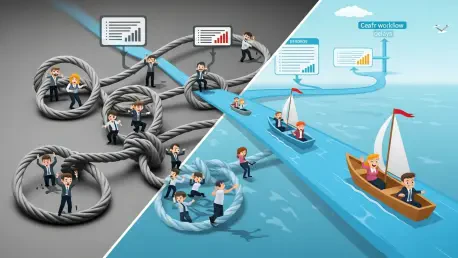

A persistent bottleneck in administrative approvals or a simple delay in material logistics often triggers a domino effect that transforms a manageable workload into an overwhelming source of psychological distress for the modern workforce. While many organizations focus on wellness apps or mindfulness training to mitigate employee burnout, these measures frequently fail because they treat the symptoms rather than the root causes of workplace anxiety. Current industry data suggests that operational inefficiencies are now recognized as primary drivers of turnover, as employees struggle to meet rigid deadlines despite systemic failures that are beyond their personal control. When a project stalls due to bureaucratic red tape, the resulting pressure does not vanish; instead, it accumulates, forcing staff to overcompensate through frantic multitasking and unpaid overtime. By shifting the focus from individual resilience to structural optimization, human resources departments can proactively dismantle the hurdles that jeopardize both productivity and mental health.
Identifying Structural Bottlenecks and Operational Friction
Mapping workflows to pinpoint exact locations where tasks stagnate is the first critical step toward creating a more sustainable and less stressful work environment for every department. HR leaders must collaborate with department heads to conduct comprehensive audits of internal processes, specifically looking for redundant approval layers that serve no practical purpose other than to slow down momentum. By analyzing recent project delays through the lens of objective data and direct staff feedback, management can identify specific friction points that consistently create backlogs and subsequent employee frustration. Eliminating these unnecessary steps does more than just speed up the timeline; it restores a sense of predictability to the workday, allowing professionals to manage their energy and focus without the constant threat of a sudden, avoidable crisis. Reducing these systemic obstacles demonstrates a tangible commitment to employee well-being that resonates far more deeply than any corporate wellness program could ever hope to achieve.
Enhancing communication transparency ensures that uncertainty does not evolve into a pervasive culture of anxiety where teams operate on assumptions rather than verified facts and timelines. Implementing structured inter-departmental updates through integrated project management software allows for a seamless flow of information that prevents employees from wasting hours chasing status reports or waiting for elusive feedback. When a delay occurs, immediate and honest communication from leadership helps to manage expectations and reduces the need for the speculative chatter that often erodes organizational morale. This transparency empowers teams to adjust their own internal schedules in real-time, preventing the sudden crunch periods that typically follow a long period of radio silence from decision-makers. By establishing clear protocols for information sharing, HR can foster a professional atmosphere characterized by mutual trust and operational clarity. This shift reduces the mental load on individual contributors, who no longer have to navigate the ambiguity of stalled projects while trying to maintain peak performance levels.
Implementing Practical Solutions and Strategic Resource Management
Adopting a pragmatic approach to resource management requires a willingness to invest in expedited solutions when external factors threaten to derail essential project timelines or deliverables. In 2026, many forward-thinking firms are increasingly utilizing rapid logistics services and premium vendor support to bypass traditional supply chain delays that would otherwise leave a workforce idle and anxious. While these options may present a higher upfront cost, they effectively mitigate the downstream expenses associated with low-quality, rushed work and the high cost of employee turnover caused by persistent operational stress. HR must advocate for flexible budgeting that allows managers to pull these levers when necessary to protect the integrity of the work and the sanity of the team members involved. Ensuring that critical materials and information are available exactly when they are needed prevents the frantic, late-stage efforts that typically compromise decision-making and result in long-term burnout. This strategic allocation of resources transforms the organizational infrastructure into a supportive foundation that actively enables success rather than serving as a constant hurdle for the staff.
Empowering employee agency and recalibrating workloads in response to unavoidable delays provides a necessary safety valve that protects the workforce from the compounding effects of systemic pressure. When a bottleneck is identified that cannot be immediately cleared, HR professionals should encourage managers to prioritize high-value tasks while temporarily setting aside less critical objectives to maintain a realistic pace. Involving the staff in the process of redesigning these workflows fosters a sense of ownership and control, which is a powerful psychological buffer against the negative impacts of workplace stress and professional exhaustion. When employees have a seat at the table to discuss how approvals are handled or how dashboards are configured, they become more resilient to future disruptions because they understand the logic behind the systems they use. This collaborative approach not only leads to more efficient processes but also strengthens the bond between the individual and the organization. By treating employees as active partners in operational excellence, leadership creates a culture where momentum is sustained by trust rather than driven by fear of falling behind due to factors outside their control.
Strategic Steps for Future Operational Excellence
The transition from reactive stress management to proactive operational refinement provided a clear blueprint for organizations seeking to maintain a competitive edge while safeguarding their most valuable assets. Leaders who prioritized the elimination of workflow delays discovered that fixing structural flaws was far more effective than traditional morale-boosting initiatives. By implementing transparent communication channels and flexible resource management strategies, companies successfully reduced the psychological burden on their teams. These efforts resulted in a significant decrease in burnout and a measurable increase in long-term employee retention across various sectors. HR departments that embraced this shift moved beyond administrative roles and became essential drivers of both cultural and operational health. The focus on pragmatic solutions ensured that the workforce remained focused on innovation rather than being drained by avoidable friction. Ultimately, the integration of logical process management with a commitment to mental health established a new standard for workplace excellence. Moving forward, the continued monitoring of workflow efficiency will remain a vital component of any comprehensive human resources strategy.