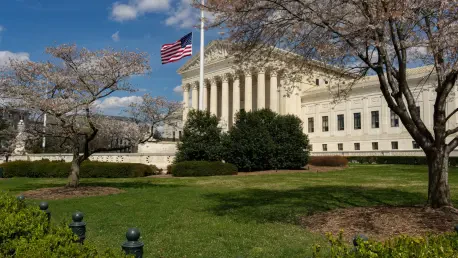

The complexity of modern workplace litigation often demands a definitive voice from the highest court, yet the current refusal to grant certiorari creates a vacuum that regional circuits must now fill independently. By stepping back from several high-profile employment disputes as the 2026 term unfolds, the justices have signaled a strategic retreat. This deliberate silence forces HR professionals and legal counsel to pivot their focus toward regional appellate rulings rather than waiting for a national mandate.
The Era of Judicial Silence: Understanding the Supreme Court’s Recent Denials
Legal observers suggest the high court is engaging in “percolation,” a process where legal standards are allowed to mature in lower jurisdictions before federal intervention. This period of silence provides a unique window for various legal theories to be tested across different circuits. Consequently, what may be considered legal in one region may remain contested in another, creating a patchwork of workplace regulations that demand localized expertise.
This shift toward regional permanence means that corporate policies can no longer rely on broad national assumptions. Legal teams must now treat appellate decisions as the final word for their specific geographical operations. This development places a higher premium on monitoring localized judicial trends to avoid the risks associated with an increasingly fragmented legal landscape as the 2026-2027 cycle continues.
Navigating the Legal Gaps Left by High Court Inaction
Redefining the Boundaries of Disability Protections and Contractor Status
The denial of Greer v. Benton School District sent a clear message regarding the limitations of federal disability protections for non-traditional workers. By allowing the Arkansas Supreme Court’s decision to stand, the justices essentially confirmed that Section 504 of the Rehabilitation Act does not inherently cover independent contractors. This creates a significant gap in protection for the growing gig economy workforce, leaving many without federal safeguards.
Similarly, the refusal to review cases like Redding v. Mullin reinforces procedural hurdles inherent in failure-to-accommodate claims. When employers pursue reassignment or disability retirement paths, the Court’s inaction suggests that current appellate standards for evaluating these actions are sufficient. Organizations must therefore ensure their accommodation processes are documented meticulously to survive the scrutiny of lower courts that no longer expect a high-court correction.
The Fragile Intersection of Corporate DEI Initiatives and Civil Rights
Corporate DEI initiatives are facing renewed scrutiny following the rejection of Armstrong v. Warner Bros., which centered on the “but for” causation standard under Title VII. Legal analysts point out that this standard makes it increasingly difficult for plaintiffs to succeed in reverse discrimination claims, as they must prove race was the primary factor in an adverse hiring decision. However, firms are still left to navigate these sensitive waters without a clear national boundary.
Workplace speech has also entered a gray area with the dismissal of Lowery v. Mills. This case highlighted the tension between an employee’s First Amendment rights and institutional policies regarding diversity and inclusion. The Court’s silence suggests that for now, public and private institutions retain significant leeway in disciplining speech that conflicts with corporate mission statements, though this remains a volatile area for future litigation.
Finality in the Aftermath of Pandemic-Era Workplace Mandates
The dismissal of Colson v. Hennepin County and similar petitions has effectively closed the door on many pandemic-era legal challenges. By refusing to hear cases regarding vaccine and testing requirements, the high court has solidified the legality of these health protocols at the state and local levels. This provides employers with a sense of finality, confirming that such mandates generally do not violate Title VII when basic safety and hardship criteria are met.
In jurisdictions like the Ninth Circuit, the “undue hardship” threshold established in Petersen v. Snohomish Regional Fire and Rescue now stands as a primary defense for employers. The court’s hands-off approach indicates that religious and substantive due process challenges against public health protocols have reached a point of diminishing returns. Businesses can now move forward with health-related policies with greater confidence that they will not be overturned.
Agency Authority in a Post-Chevron Regulatory Climate
Following the Loper Bright decision, many expected the Supreme Court to immediately micromanage federal agencies like the NLRB. Instead, the rejection of Garten Trucking LC v. NLRB suggests the Court is hesitant to interfere with the early stages of this regulatory transition. This creates a period of uncertainty as the labor board and lower courts navigate the end of agency deference without a step-by-step manual from the top.
Circuit splits are becoming more likely as lower courts independently apply new standards to labor disputes and the rights of unauthorized workers. Some jurisdictions may favor worker protections in back-pay disputes, while others may take a stricter regulatory stance. This volatility requires employers to be exceptionally vigilant regarding the specific labor laws governing their particular region to avoid unexpected liabilities.
Strategic Takeaways for Employers and Legal Practitioners
The current judicial climate demands a shift toward regional judicial authority where local appellate rulings serve as the “law of the land” for many businesses. Legal practitioners recommended auditing hiring practices and disability accommodation protocols to ensure they align with the specific standards of the circuit in which they operate. Relying on outdated national trends proved to be a liability for firms caught in regional disputes during the current term.
Balancing DEI commitments with the evolving First Amendment and Title VII litigation landscape became a priority for many organizations. Experts suggested that transparency in hiring and a clear link between policy and performance were the best defenses against litigation. By focusing on localized compliance, firms were able to maintain their internal culture while mitigating the risk of expensive appellate battles that the high court is unlikely to resolve.
Conclusion: The Long-Term Impact of Judicial Restraint
The Supreme Court’s inaction signaled a deliberate period of legal stabilization at the lower levels. It became evident that the vacuum left by federal silence would be filled by the diligent monitoring of state supreme court decisions as they addressed evolving workplace dynamics. This period of judicial “punting” ultimately shaped workplace dynamics and litigation strategy for the 2026-2027 term and beyond.
Organizations that adapted to this regional focus found themselves better prepared for the lack of federal clarity. They recognized that the high court’s restraint was not a sign of indifference, but rather a prompt for lower courts to refine their own jurisprudence. This environment fostered a more nuanced approach to employment law, where local context carried more weight than broad, sweeping mandates from Washington.