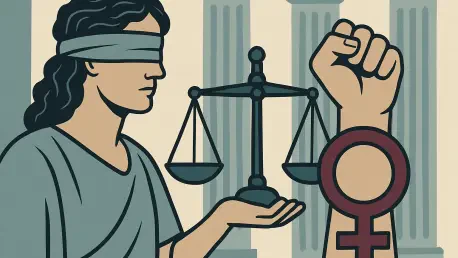

Hospice nurses and aged care support staff view the recent judicial intervention as proof that the legal system can hold the government accountable for discriminatory policy shifts. The New Zealand High Court recently issued a landmark ruling addressing the Equal Pay Amendment Act 2025, a controversial piece of legislation that significantly altered the landscape for female-dominated workforces. Justice Radich determined that these legislative shifts directly violated the New Zealand Bill of Rights Act, specifically the right to freedom from sex-based discrimination. This judicial intervention represents a vital victory for thousands of professionals in the nursing, teaching, and caregiving sectors. By declaring the amendments discriminatory, the court has signaled a necessary shift in how the government must approach wage disparities in traditionally female professions. This decision arrives at a critical juncture where fiscal policy and human rights intersect, forcing a re-evaluation of how societal value is quantified and protected.
Judicial Findings on Legislative Changes
Impact of Fiscal Priorities
The High Court’s deep dive into the legislative process revealed that the 2025 amendments were almost entirely motivated by financial austerity measures rather than genuine policy efficiency. Through an exhaustive review of Cabinet papers, Treasury advice, and Ministry of Business, Innovation and Economics documents, it became clear that the primary objective was to reduce the government’s financial liability. Specifically, the amendments were projected to save approximately $12.8 billion in the 2025 Budget, a figure that outweighed any substantive discussion on the merits of the previous pay equity framework. This emphasis on the bottom line over social equity suggested that the state viewed wage adjustments for women as an optional expenditure rather than a legal obligation. By prioritizing these short-term savings, the government inadvertently created a system that penalized female-dominated industries, leading to a direct confrontation with established human rights.
Justice Radich’s ruling clarified that while governments must manage budgets, such concerns do not grant the state a license to bypass the New Zealand Bill of Rights. The court determined that the discriminatory effects of the legislation were not a proportionate response to the government’s fiscal objectives, rendering the law indefensible in a free and democratic society. This finding underscores a critical legal principle: the right to be free from sex-based discrimination cannot be sacrificed for the sake of balancing the books. The judgment highlighted that the financial pressure exerted on the healthcare and education sectors by these amendments would have lasting negative impacts on workforce stability and the quality of care. By ruling in favor of the claimants, the court sent a clear message that economic management must align with constitutional protections, ensuring that fiscal strategies do not undermine the fundamental rights of a significant portion of the population.
Barriers to Equitable Pay
Beyond the immediate financial motives, the High Court emphasized the systemic dismantling of what many labor experts considered to be a world-leading pay equity framework. The 2025 Act introduced several impassable hurdles, most notably raising the threshold for what constitutes a “female-dominated” workforce from 60 percent to 70 percent. This arbitrary increase effectively excluded numerous professional groups from even applying for a pay review, despite clear evidence of historical underpayment. Furthermore, the legislation imposed a restrictive ten-year moratorium on any further pay equity reviews following an initial settlement, essentially locking workers into potentially outdated wage structures for a decade. These changes were not supported by any tangible evidence suggesting the previous system was failing; rather, they appeared to be specifically designed to slow the momentum of pay equity claims. This structural shift effectively stifled the progress of many groups.
The court also scrutinized the new prohibitions on using external pay comparators, which had been a cornerstone of successful pay equity claims in the past. Under the 2025 rules, claimants were restricted to looking only within their immediate sector, making it nearly impossible to prove disparity against male-dominated roles with similar skill levels and responsibilities. This “sham scheme,” as described by labor advocates, granted employers the unilateral power to halt pay equity claims without providing a specific reason, leading to the stagnation of 33 active claims. Some of these claims were within weeks of completion, representing years of work by unions and employees that was suddenly invalidated by the legislative stroke of a pen. The High Court’s findings suggest that these evidentiary thresholds were intentionally unreasonable, designed to create a “fake” pathway toward equity that offered the appearance of a process while providing no realistic chance of success.
Perspectives from the Workforce
Union Advocacy and Worker Sentiment
The ruling was met with a profound sense of vindication among frontline workers and major labor organizations, including the New Zealand Nurses Organization (NZNO) and the Public Service Association (PSA). For years, hospice nurses and aged care support staff felt that their professional worth was being systematically undervalued by a government focused more on fiscal optics than on the people providing essential services. The collective sentiment among these unions is that pay equity was essentially “stolen” from women by the 2025 amendments, and the court’s decision is seen as a restoration of justice. Workers expressed that this was never merely a technical policy debate but a fundamental struggle for ethical survival and recognition. The victory has emboldened labor leaders to maintain a unified front, insisting that the government can no longer hide behind fiscal imperatives to justify discriminatory practices that keep female workers in a cycle of underpayment.
There is now a clear and unified demand from the labor sector for the next administration to prioritize the full restoration of the original pay equity legislation within its first 100 days in office. Advocates argue that the 2025 law caused significant damage to morale within the nursing and teaching professions, which are already grappling with severe staffing shortages and burnout. By synthesizing the perspectives of thousands of workers, unions have highlighted that the fight for fair pay is central to the sustainability of New Zealand’s social infrastructure. For these professionals, the High Court ruling is not the end of the journey but a powerful catalyst for legislative change. They emphasize that restoring the previous settings is a necessary step toward repairing the relationship between the government and the female-dominated workforce, ensuring that future policy decisions are grounded in the principles of fairness, transparency, and the inherent value of care work.
Obstacles in the Claim Process
Union representatives have documented specific instances of what they characterize as “deliberate sabotage” that occurred while the 2025 framework was active. For instance, the NZNO reported that certain healthcare entities refused to release essential data regarding comparator pay rates, citing new restrictive clauses in the law. This lack of transparency made it virtually impossible for claimants to meet the heightened evidentiary requirements mandated by the 2025 Act, trapping them in a bureaucratic loop. Without access to accurate data from across the labor market, nurses and caregivers were unable to build the robust cases required to prove their claims. This environment of secrecy and obstruction reinforced the consensus among labor leaders that the law was engineered to fail the very people it was ostensibly meant to protect. The High Court’s ruling validates these concerns, highlighting how the 2025 law’s mechanisms served as active deterrents to pay equity.
The impact of these obstacles was most acutely felt by the 180,000 women who found their active claims frozen or dismissed under the new rules. The court noted that the cancellation of existing claims without adequate transition periods or justifications was particularly egregious. This created a legal limbo where workers had neither the protection of the old system nor a functional path forward under the new one. The High Court found that the evidentiary thresholds were not only unreasonable but fundamentally disconnected from the realities of modern employment and the complexities of assessing pay equity across different sectors. This judicial scrutiny has exposed the inherent flaws in a legislative design that prioritized procedural difficulty over substantive justice. Moving forward, the focus must shift toward creating an accessible, transparent system that recognizes the unique challenges of female-dominated workforces, ensuring that technical barriers never again become a tool for denying equal pay.
Political Consequences and Future Outlook
Government Response and Strategy
The official political response to the High Court’s decision has been one of extreme caution, with government spokespeople indicating that the Crown will take significant time to “carefully consider” the findings before deciding on a potential appeal. Brooke van Velden, the caretaker Minister for Workplace Relations and Safety, suggested that while the government supports the principle of pay equity, it remains firm in its belief that the pre-2025 settings were economically unsustainable. This stance highlights a deep ideological divide between the current administration’s commitment to fiscal management and the court’s focus on constitutional rights and gender equality. The government now faces a complex strategic choice: appeal the decision and risk further public backlash, or accept the ruling and find a way to incorporate the $12.8 billion back into the national budget. This tension between financial planning and legal compliance will likely define the political discourse.
Regardless of the government’s next legal move, the High Court ruling has forced a concrete timeline upon the legislative process. By law, a formal parliamentary response to the declaration of inconsistency must be presented within six months, though an appeal could delay this requirement. In the interim, the 180,000 women whose claims are in limbo are looking for immediate action rather than further legal maneuvering. The ruling provides these workers and their unions with significant leverage in any future negotiations, making it much harder for the government to argue that pay equity is a matter of administrative discretion rather than a protected right. The situation serves as a stark reminder that policy decisions made under the guise of fiscal necessity are still subject to the overarching protections of the Bill of Rights. As the administration navigates this challenge, the pressure to align economic policy with the court’s findings will only continue to intensify.
Long-Term Legal Precedents
The High Court’s rejection of the 2025 Act serves as a comprehensive warning that the judiciary will act as a critical check against any legislation that unfairly targets specific demographics, even when framed as a necessary budget measure. This case has successfully shifted the pay equity conversation from a standard labor negotiation into the realm of constitutional law, setting a precedent that will influence New Zealand’s legal landscape for years to come. By identifying the discriminatory mechanisms within the 2025 law—such as the cancellation of claims and unreasonable evidence requirements—the court has established a high bar for any future changes to the pay equity regime. This ensures that the rights of women workers are not treated as secondary to general economic goals. The ruling demonstrates that the judiciary remains a robust defender of civil liberties when the legislative branch fails to maintain the balance between fiscal responsibility and human rights.
Looking ahead, the focus must move toward a permanent and transparent legislative framework that avoids the pitfalls of the 2025 amendments. The court’s decision was a clear signal that the government must fulfill its financial and ethical commitments to the female-dominated workforce, suggesting that the path forward involves restoring the original settings or creating an even stronger system. Organizations should prepare for a period of renewed bargaining and higher wage transparency, as the legal barriers to accessing comparator data are now under scrutiny. This landmark ruling provided a vital blueprint for how the legal system can protect vulnerable workforces from the swings of political and fiscal cycles. The most critical takeaway is that sustainable pay equity requires a foundation built on human rights rather than budget flexibility. As New Zealand works to “put right what was wrong,” the focus should remain on creating an equitable future where the value of labor is measured by skill and dedication.