
While many companies once viewed artificial intelligence as a simple plugin for efficiency, the reality of modern labor markets has proven that generic models often fail when they encounter the messy nuances of human organizational behavior. This divergence between expectation and reality stems from the reliance on broad-purpose tools that struggle with the specific, high-stakes requirements of global recruitment and employee retention. Phenom is currently leading a fundamental shift away from these experimental, “bolt-on” features, opting instead for a model known as WorkOps that prioritizes applied intelligence over theoretical capability.
The Collapse of Generic AI and the Rise of Applied Intelligence
Nearly 95% of enterprise artificial intelligence projects fail to deliver on their initial promises because they are frequently built on foundations that lack industry-specific context. When organizations attempt to integrate general-purpose language models into their existing workflows, the results are often plagued by hallucinations or a lack of understanding regarding corporate hierarchy and compliance. This mismatch creates friction rather than removing it, leading to a landscape where HR leaders remain skeptical of the technology’s long-term utility in a professional setting.
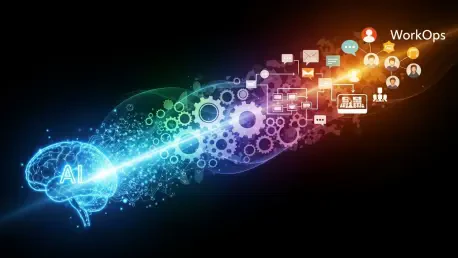
Phenom has addressed this instability by shifting the conversation toward specialized WorkOps, a framework designed to handle the specific complexities of labor markets. By focusing on applied intelligence, the system moves beyond the superficial automation of tasks and begins to resolve systemic issues within the corporate environment. This approach ensures that the technology is not just an add-on but a fundamental orchestration layer that bridges the gap between raw data and meaningful human interaction in the workplace.
Solving the Strategic Capacity Gap in Modern Global Enterprise
In many large organizations, the hiring process eventually hits an invisible wall frequently referred to as the capacity ceiling. Even the most dedicated talent acquisition teams possess a finite number of hours to screen, engage, and evaluate candidates, which often results in top-tier talent being lost to competitors during high-volume hiring surges. This background of manual bottlenecks and fragmented data explains why a more robust orchestration layer has become a necessity for businesses looking to scale without sacrificing the candidate experience.
The implementation of a WorkOps model allows companies to move past these human-centric limitations by automating the logistical burden of the talent lifecycle. Instead of recruiters spending the majority of their day on repetitive administrative tasks, the system manages the flow of information across the enterprise. This ensures that every applicant receives timely feedback and every internal opening is matched with the most relevant skill sets available in the market, effectively raising the productivity floor for the entire department.
Redefining Efficiency with the Voice Screening Agent and Contextual Automation
Phenom’s Voice Screening Agent represents a significant departure from standard automated prompts by conducting role-specific conversations that understand context and cultural nuances. By providing 24/7 conversational capabilities, the system removes the human hours typically required for early-stage vetting while maintaining high levels of engagement. This technology does more than just record audio; it produces structured transcripts and rubric-based scores, turning qualitative conversations into actionable data for hiring managers to review at their convenience.
The use of contextual automation means the agent can adapt its line of questioning based on the specific requirements of a job description or the unique responses of a candidate. This level of sophistication ensures that the screening process remains rigorous and fair, providing a consistent standard that manual interviews often lack. Moreover, by handling the initial outreach and qualification phases, the agent allows human recruiters to focus their energy on final interviews and complex negotiations where emotional intelligence is most valuable.
The WorkOps Infrastructure: Engines, Ontologies, and Orchestration
At the core of this transformation is a sophisticated, three-layered infrastructure known as WorkOps, which provides the technical foundation for modern talent management. The first layer consists of integration engines that harmonize data across hundreds of disparate systems, ensuring that information remains consistent from the first touchpoint to the final hire. This connectivity is essential for global enterprises that operate across multiple regions and utilize various legacy software platforms simultaneously.
Above this foundational layer lies the skills ontology, which acts as a living map of human resources intelligence by understanding how roles and requirements vary across different industries. Specialized agents then use this foundation to deliver hyper-personalized experiences, ensuring the AI remains always explainable and compliant with global enterprise standards. This orchestration ensures that every decision made by the system is backed by a logical framework, making it a reliable partner for leadership teams who require transparency in their automated processes.
Decoding the Technical Excellence of the 2026 CODiE Award Finalist
The validity of this approach is reflected in Phenom’s recognition as a triple finalist for the 2026 CODiE Awards, including a nomination for Product of the Year. Evaluation by independent industry experts highlights a significant trend: the shift toward AI that improves both speed and quality simultaneously. Metrics from the Voice Screening Agent, such as an 86% call completion rate and 90% candidate satisfaction, provide empirical evidence that enterprise-grade automation can outperform traditional manual processes in both efficiency and sentiment.
Industry experts who judged the entries noted that the ability to scale personalized communication was a primary differentiator in this year’s selection. The recognition of the WorkOps model as a finalist for Best Productivity/Workflow Solution further solidified the idea that HR technology has moved into a new era of operational excellence. These awards underscored the fact that organizations no longer had to choose between high-volume processing and a high-quality human experience when managing their workforce.
A Practical Roadmap for Implementing Context-Driven WorkOps
To successfully transition from fragmented tools to a unified WorkOps model, organizations prioritized a framework focused on data harmony and specialized automation. The strategy began with auditing existing tech stacks to ensure information flowed seamlessly through centralized engines. From there, companies defined their unique organizational DNA through custom skills ontologies, which allowed AI agents to make decisions based on specific cultural and business needs rather than generic logic. This structured approach ensured that automation remained an asset to the human workforce rather than a source of complexity.
Strategic leaders discovered that the integration of context-driven intelligence facilitated a more agile response to market fluctuations. The roadmap emphasized the importance of explainability, which gave stakeholders the confidence to deploy automated agents across high-stakes hiring scenarios. Ultimately, the adoption of this model transformed the recruitment function from a cost center into a strategic driver of growth. By aligning technological capabilities with human goals, businesses established a sustainable foundation for long-term labor market resilience.