
Sofia Khaira is a dedicated specialist in diversity, equity, and inclusion, focused on reshaping how businesses approach talent management and employee development. As an HR expert, she has spent her career driving initiatives that create more inclusive and supportive work environments where employees can truly thrive. In this discussion, she explores the latest findings regarding European workplace trends, highlighting a significant shift in worker expectations. We delve into how the presence of pets in the office is moving from a niche perk to a critical factor in recruitment, the specific demands of younger generations, and the psychological benefits of a pet-inclusive culture as companies navigate the return to physical office spaces.
How have you seen the perception of pet-friendly workplaces shift from a quirky office perk to a serious factor in talent retention across Europe?
The shift has been quite dramatic and is backed by significant data involving over 16,000 employees across 16 European countries. We are seeing a massive change where 55% of European workers would actually consider switching jobs just to be in a pet-friendly environment, indicating that this is no longer a “nice-to-have” but a fundamental expectation. On hiring platforms like Indeed, the interest in “dog-friendly” policies has exploded, with job postings mentioning these terms increasing 14-fold in the UK since 2019. It is clear that the days of table tennis and free snacks being the primary office draws are fading. Today’s employees are looking for benefits that fundamentally improve their daily quality of life and reduce the stress of leaving their companions at home.
What do you believe is driving younger generations like Gen Z and Millennials to prioritize pet policies over traditional benefits like healthcare or parental leave?
Gen Z and Millennials are the primary drivers of this shift in “work perks,” with 41% of those aged 18 to 24 actively seeking these policies compared to just 24% of workers over 55. It is fascinating to see that 35% of surveyed workers are now placing pet policies above heavy-hitting benefits like private healthcare or enhanced parental leave. This reflects a deeper cultural change where younger professionals view their pets as integral family members rather than just animals. When 42% of young professionals prioritize these policies over personal benefits like employee discounts or after-work socials, it signals a desire for a workspace that honors their emotional bonds. They aren’t just looking for a paycheck; they are looking for an environment that supports their identity as pet parents.
With many companies pushing for a return to the office, how can integrating pets help ease that transition and improve the overall work culture?
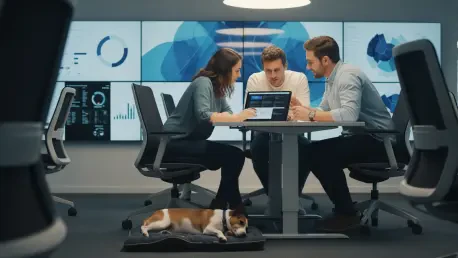
The transition back to physical offices is a major hurdle for many organizations right now, but 50% of employees feel that pet-friendly policies make that shift feel much more supportive. When you consider that 81% of workers feel pets create a more relaxed atmosphere, it is easy to see how a dog in the office can act as a natural stress-reliever and conversation starter. About a third of employees explicitly state that a well-managed pet policy signals that a company truly cares about their overall well-being. By allowing pets, companies aren’t just filling desks; they are humanizing the workspace and making the office a place where people feel emotionally comfortable. This move can significantly strengthen company culture and help organizations stand out as they implement return-to-office mandates.
Despite the high demand for these policies, many companies seem to be failing at communicating them to potential hires—how can they bridge this gap?
There is a glaring information gap right now, as 55% of workers report they do not even know where to look for information on pet policies during their job search. Even more striking is the fact that 33% of employees say their companies already have these policies in place but fail to mention them in job advertisements. This represents a massive missed opportunity for recruiters to differentiate themselves in a crowded and competitive talent market. Businesses need to be transparent and vocal about these benefits from the very first job posting to capture the attention of the rising talent of today. Transitioning to a model like the BETTER CITIES FOR PETS program can help companies formalize these offerings and communicate them more effectively to prospective candidates.
What is your forecast for the future of pet-friendly workplace policies across Europe?
I expect that over the next few years, we will see these policies transition from experimental trials to a standard component of the corporate benefits package. As the latest report suggests, with interest in these benefits nearly doubling among the youngest cohort of workers compared to the older generation, companies that ignore this trend will face a significant talent drain. We will likely see more businesses adopting formal, well-managed frameworks to ensure the office remains a productive yet inclusive space for all. Ultimately, the future of work is one that acknowledges the “whole person,” and for over half of the workforce, that person comes with a four-legged companion. Organizations that embrace this reality will find themselves leading the way in retention, morale, and overall employee satisfaction.