
Maintaining a hybrid fleet of over 1,300 vehicles requires a centralized intelligence system that can predict road closures and hazardous driving conditions in real time. In the high-stakes environment of modern logistics, where approximately 2.4 billion items move annually from production lines to retail shelves, weather is not a mere backdrop but a formidable operational variable. Large-scale organizations have increasingly shifted away from standard consumer-grade applications toward specialized meteorological platforms that offer granular, actionable insights for the transport sector. By embracing this proactive approach, logistics providers can effectively navigate the diverse climate challenges found in various regions, ranging from severe snowfall in northern latitudes to seasonal typhoons impacting coastal shipping routes. The strategic focus remains on ensuring the uninterrupted flow of essential consumer goods—from household detergents to high-end cosmetics—without compromising the safety of the workforce. This integration of technology and logistics represents a significant evolution in risk management and operational resilience.
Centralizing Intelligence: Streamlining Data for Unified Operations
Moving toward a centralized intelligence model addresses the inherent inefficiencies found in fragmented data collection methods across large logistics networks. Previously, regional site managers and individual drivers often relied on a patchwork of public forecasts and consumer mobile applications, leading to inconsistent interpretations of environmental risks. This lack of uniformity frequently created administrative friction, particularly during personnel rotations or when coordinating large-scale responses to developing weather systems across multiple prefectures. By adopting a unified, enterprise-grade platform, organizations establish a single source of truth that is accessible to executive leadership and site managers simultaneously. This transition eliminates the ambiguity associated with differing data sources and ensures that every terminal—from regional hubs to local distribution centers—operates with the same set of high-precision parameters. Standardizing these safety protocols across dozens of specialized bases allows for a more cohesive and reliable nationwide delivery network.
The implementation of specialized intelligence allows for sophisticated risk assessments that go far beyond basic temperature and precipitation forecasts. Modern platforms integrate specific logistics risks, such as high-wind warnings for bridge crossings, potential terminal delays, and real-time road closure predictions, directly into the meteorological data stream. This specialized focus enables dispatchers to visualize the macro picture of their entire operational footprint on a single map, overlaid with real-time traffic impact forecasts. Instead of reacting to disruptions as they occur, logistics teams can now utilize predictive models to identify bottlenecks before they impact the schedule. This capability is particularly vital for companies operating under just-in-time delivery commitments, where a delay of even a few hours can ripple through the entire supply chain. By converting meteorological data into a strategic asset, logistics firms can maintain their promises to retailers while optimizing their internal resources for maximum efficiency and safety.
Protecting Human Capital: Navigating Environmental Risks in Transit
The primary pillar of integrating advanced weather intelligence is the uncompromised prioritization of human life, addressing both transit risks and occupational health. In the logistics sector, safety risks are bifurcated into active road hazards and the physical conditions present within the warehouse environment. By utilizing high-precision predictive data, companies can make informed decisions regarding employee commutes during severe weather events like typhoons or heavy rain. If the data suggests a significant risk of transit accidents or localized flooding, operations can be suspended or adjusted well before employees are put in harm’s way. This proactive stance helps prevent accidents before they occur, moving the safety culture from a reactive model to one defined by foresight and caution. Ensuring that drivers are not pressured to navigate hazardous roads is essential for maintaining a sustainable workforce and fulfilling corporate social responsibility mandates in the transport industry.
Beyond road safety, weather intelligence plays a vital role in managing occupational health risks such as heatstroke during extreme summer conditions. Monitoring the Wet Bulb Globe Temperature and specific heat indices is now a standard requirement for protecting warehouse staff and forklift operators who work in environments that can become dangerously hot. High-precision data allows site managers to implement mandatory cooling breaks or adjust shift patterns when local temperatures reach critical thresholds. This level of environmental monitoring ensures that productivity does not come at the cost of worker health, fostering a culture where employee well-being is integrated into every operational decision. By providing localized, pinpoint alerts for heat and humidity, companies can tailor their safety responses to the specific conditions of each individual facility. This granular approach to health and safety demonstrates a commitment to the workforce that extends from the driver’s seat to the furthest corners of the loading dock.
Strategic Flexibility: Adaptive Responses to Extreme Weather Events
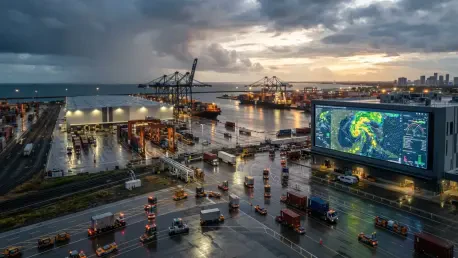
Adherence to rigid delivery schedules is often a liability during periods of environmental volatility, but specialized intelligence allows for a flexible-response model. When a typhoon is forecasted, dispatchers no longer have to wait for conditions to deteriorate before making tactical changes to their routes. Instead, they can overlay storm zone predictions and wind-speed thresholds with their specific delivery paths to identify hazards days in advance. This foresight enables them to switch to alternative, inland routes or proactively suspend operations entirely to ensure that trucks and drivers are not caught in dangerous, high-wind conditions on coastal highways. This strategic flexibility preserves the integrity of the fleet and ensures that cargo remains undamaged by the elements. By adjusting the delivery architecture in real time, logistics firms can maintain a high level of reliability even when faced with the most challenging seasonal weather patterns encountered in modern transit.
In regions prone to heavy snowfall, predictive intelligence transforms how winter challenges are managed, shifting the focus from reaction to preparation. Rather than simply responding with tire chains and emergency maintenance after a storm has already arrived, logistics teams can re-evaluate their entire distribution strategy based on incoming data. By preemptively adjusting delivery windows or consolidating loads before a blizzard begins, companies can prevent their vehicles from becoming stranded on blocked highways or in remote locations. This level of foresight is critical for maintaining the stability of the supply chain, as it allows for the movement of goods into impacted areas before the weather prevents access. Protecting the personnel involved in winter transport requires a deep understanding of the window of opportunity provided by accurate forecasting. This predictive architecture ensures that the logistics chain remains functional and that essential items reach their destinations without compromising the safety of the equipment.
Technological Resilience: Safeguarding Assets and Facilities
Logistics facilities, particularly large, single-story warehouses, are highly vulnerable to water damage from sudden torrential rain and flash flooding events. With high-precision precipitation alerts that provide minute-by-minute updates, warehouse staff gain a critical warning window to take preventive action before water enters the facility. This might include elevating high-value products onto higher pallet racks or moving cargo from outdoor staging areas into the secure center of the warehouse. By converting weather data into actionable time, companies can significantly reduce inventory loss and ensure that billions of consumer items are protected from environmental damage. This protection of physical assets is essential for maintaining the financial health of the organization and ensuring that stockouts do not occur during periods of high demand. The ability to anticipate localized weather spikes allows managers to deploy their teams effectively to mitigate risks that were once considered unpredictable or unavoidable.
The successful implementation of weather intelligence into daily logistics operations established a new benchmark for organizational resilience and safety. Companies prioritized the widespread adoption of mobile applications to ensure that every driver and field worker remained connected to real-time risk assessments while on the move. This commitment transformed the organizational culture into one of predictive intelligence, where data-driven decisions mitigated the impact of environmental volatility on the complex supply chain. By leveraging specialized meteorological alerts, managers successfully reduced inventory loss and protected personnel from hazardous conditions both on the road and within warehouses. The shift toward a push-pull information dynamic allowed for seamless coordination between logistics and sales departments during major weather events. Ultimately, the integration of these advanced systems provided a clear blueprint for future industrial operations, reinforcing the role of specialized technology as a critical safeguard for national infrastructure.