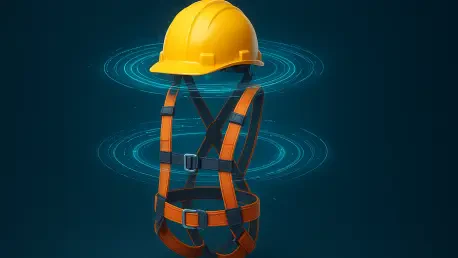

Industrial safety standards like CSA Z94.1 focus on impact resistance but often overlook the critical information vacuum that occurs during the first minutes of a medical emergency. As the Canadian construction sector moves through this current cycle of regulatory updates, the focus has pivoted sharply toward the mandatory adoption of Type 2 safety helmets, replacing the long-standing Type 1 models that were once the industry standard. This transition is not merely a bureaucratic preference but is rooted in substantial clinical evidence; modern research has demonstrated that Type 2 helmets, equipped with four-point chin straps, offer a 34 percent reduction in concussion probability and a 65 percent reduction in the risk of skull fractures. Yet, even with these physical advancements, a significant gap remains in how crews handle the immediate aftermath of an incident. While the physical shell protects the brain, it does nothing to inform first responders about the person inside, creating a secondary risk that modern digitization is now designed to solve effectively.
Beyond Impact: The Move Toward Intelligent Protection
The emergence of digitized personal protective equipment represents a fundamental shift from passive hardware to active safety ecosystems that provide value throughout the entire workday. In the current industrial environment, a helmet is no longer viewed strictly as a piece of molded plastic but as a data-carrying asset that bridges the gap between physical protection and emergency response. When a worker becomes incapacitated on a remote job site or within a complex structure, the first few minutes are the most critical for their long-term recovery. Digitized gear allows for the storage of vital information directly on the equipment, ensuring that even if a worker is unable to speak, their medical history, allergies, and emergency contacts are immediately accessible. This capability effectively eliminates the guesswork for paramedics and site safety officers, allowing for informed medical intervention during those high-stakes moments where every second counts for the patient’s ultimate outcome and safety.
Beyond reactive emergency response, the integration of Near-Field Communication technology into industrial gear serves a vital proactive function in maintaining daily site compliance. This digital integration facilitates a seamless handshake between the worker and the job site requirements, ensuring that no individual begins a high-risk task without the verified credentials. By scanning a helmet or harness with a standard smartphone, supervisors can instantly verify that a worker has completed the necessary safety training, possesses the correct certifications for specific machinery, and that the gear itself has undergone its scheduled inspections. This automation of administrative safety checks significantly reduces the potential for human error and ensures that only qualified personnel are operating in hazardous zones. Consequently, the digitization of equipment transforms a piece of personal gear into a robust management tool that prevents accidents before they occur by maintaining a higher standard of operational discipline across the board.
Data Sovereignty: Navigating the Complexities of Privacy
As technology becomes deeply embedded in industrial workflows, the focus is increasingly shifting toward the challenges of data sovereignty and the security of worker information. Procurement officers are now forced to navigate the complex landscape of how personal data is collected, where it is stored, and who ultimately holds the keys to that information. Many early-generation smart devices relied heavily on cloud-based storage, which allowed for real-time tracking but introduced significant vulnerabilities to cyberattacks and unauthorized data breaches. For a construction firm, the liability of managing sensitive medical records and personal identification on a central server is a daunting prospect that requires extensive cybersecurity infrastructure. This has created a critical fork in the road for safety technology, where the industry must decide if the benefits of remote monitoring outweigh the inherent risks of centralized data pools that could be targeted by sophisticated external actors or misused internally.
To address growing concerns regarding worker privacy and data anxiety, there is a pronounced trend toward decentralized, offline storage solutions that empower the individual worker. By utilizing passive NFC chips that require no internal battery and store information locally on the piece of equipment, companies can provide the benefits of digital safety without the risks associated with constant connectivity. This architecture ensures that data is only accessible when a physical device is placed in close proximity to the helmet, effectively mirroring the security protocols of modern contactless payment systems. Such an approach significantly lowers the barrier to adoption, as labor unions and employees are more likely to support technology that does not track their movements or store their medical history in a remote database. By keeping the data locked to the physical gear, the industry maintains a high level of privacy and security, ensuring that sensitive information remains under the control of the person it belongs to until it is needed in an emergency.
Strategic Implementation: The Future of Industrial Safety Management
The strategic adoption of digitized protective gear is rapidly evolving from a niche safety choice into a core component of corporate liability management and information technology strategy. When safety directors evaluate new equipment, they are no longer just looking at impact ratings; they are assessing whether the gear is future-proofed against the shifting landscape of digital requirements and legal standards. Investing in equipment that lacks a digital layer is increasingly seen as a short-sighted decision that may leave a company exposed to higher insurance premiums or legal scrutiny following a major incident. By choosing platforms that integrate both physical and digital protection, organizations are building a more resilient safety culture that addresses modern industrial risks holistically. This strategic shift requires a closer collaboration between safety departments and IT professionals to ensure that the hardware being deployed on-site meets the rigorous demands of both physical durability and digital security, creating a unified front.
Ultimately, the transition toward a digitized safety environment provided a clear roadmap for reducing workplace fatalities and improving the efficiency of emergency medical responses. Companies that prioritized the integration of these smart technologies moved beyond the limitations of traditional impact resistance to create a comprehensive safety ecosystem. They successfully balanced the need for immediate data access with the imperative of worker privacy by selecting decentralized storage models that focused on local utility. These organizations demonstrated that the true value of modern protective equipment resided in its ability to facilitate proactive compliance and provide life-saving information when it was most needed. By treating the procurement of safety gear as a long-term strategic investment, industry leaders ensured that their workforces were protected by the most advanced physical and digital tools available. This holistic approach set a new benchmark for industrial health and safety, proving that the future of worker protection depended on the seamless union of physical integrity.