
Safety professionals must recognize that a respirator without a proper seal or a harness that is the wrong size offers only the illusion of workplace safety. The landscape of industrial safety is frequently clouded by persistent myths that can lead to catastrophic workplace injuries. Many employers and workers mistakenly view personal protective equipment (PPE) as a static commodity—a simple item to be purchased and worn. However, industry leaders and safety experts emphasize that effective protection is an evolving discipline involving continuous education, rigorous maintenance, and a deep understanding of the equipment’s physical limitations. A critical gap exists between the act of “having PPE” and the reality of “being protected.” This distinction is the difference between a high-functioning safety culture and a “checked box” mentality. When equipment is viewed merely as a line item on a purchase order, the result is often the appearance of protection, which can be more dangerous than having no gear at all because it encourages workers to take risks under a false sense of security.
The Dangerous Fallacy of Cut-Proof Hand Protection
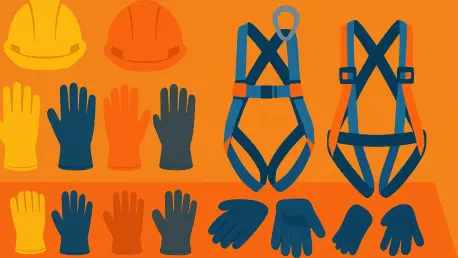
One of the most pervasive misunderstandings in the safety sector is the interchangeable use of the terms “cut-resistant” and “cut-proof.” In reality, no glove can provide absolute protection against every sharp hazard. Cut resistance is a variable metric determined by specialized materials and construction methods designed to reduce the risk of a laceration rather than eliminate it entirely. The performance of a glove is dictated by external factors such as impact force, blade serration, and environmental conditions like the presence of oils or lubricants. Furthermore, a higher cut rating does not always equate to a better glove for the specific job. Safety is always a balance of trade-offs; for instance, a highly rated glove might sacrifice the manual dexterity needed for precision tasks, potentially increasing the risk of an accident because the worker cannot move their fingers effectively or feel the materials they are handling. Choosing the wrong level of resistance often creates new, unforeseen hazards.
The functionality of palm coatings is also frequently overlooked, as they are often viewed as aesthetic or minor features rather than technical necessities. Whether using foam nitrile for enhanced liquid grip or polyurethane for tactile sensitivity, the coating must match the specific application of the worker. Selecting the wrong coating leads to hand fatigue and poor grip, both of which compromise safety just as much as an incorrect cut rating does. In heavy industrial environments, a lack of grip can cause tools to slip or parts to fall, leading to injuries that the base material of the glove was never intended to prevent. Moreover, as technology continues to advance in 2026, newer polymers are being introduced that offer better breathability while maintaining high friction coefficients. Failing to update procurement strategies to include these ergonomic improvements means workers are more likely to remove their gloves during complex tasks, rendering even the most advanced cut-resistant materials completely useless during the moments when they are needed most.
Invisible Vulnerabilities in Respiratory Systems
In the realm of respiratory protection, particularly with supplied-air respirators (SAR), a dangerous myth persists that air flow alone guarantees safety. The efficacy of these systems depends entirely on maintaining specific pounds-per-square-inch (PSI) pressure settings at the regulator. These systems rely on positive pressure to ensure that ambient contaminants cannot leak into the wearer’s breathing zone through small gaps or imperfections in the facial seal. The misconception is that PSI is a “set it and forget it” variable that remains constant regardless of the environment. In truth, any change to the system—such as adding a longer airline, changing an industrial fitting, or switching to a different head top—can drastically alter the required pressure. If the PSI is not adjusted to compensate for these physical changes, the system may fail to maintain positive pressure, allowing hazardous particles to enter the mask without the worker ever realizing they are being exposed to silent toxins.
This silent failure mode represents one of the greatest risks in high-hazard environments like chemical processing or abrasive blasting. Because the worker still feels a breeze or hears the air movement, they assume the barrier is intact. However, without the correct pressure differential, the protection is compromised. Rigorous daily checks and a deep technical understanding of the specific SAR configuration are required to prevent these exposures. Furthermore, the maintenance of the air source itself, including the filtration of carbon monoxide and other ambient pollutants from the compressor, is just as critical as the mask. Safety programs must transition from a passive equipment-provision model to an active monitoring model. Training must emphasize that the mechanical components of a respiratory system are dynamic and require constant recalibration. Without this technical discipline, the equipment serves only as a psychological comfort rather than a physical defense against invisible airborne toxins that cause long-term health issues.
Distinguishing Between Skull and Brain Protection
Perhaps the most scientifically complex myth involves head protection and the common belief that any certified safety helmet prevents concussions. Experts point out that protecting the “container,” which is the human skull, is fundamentally different from protecting the “contents,” which is the brain tissue. Most standard helmets are designed primarily to prevent fractures from direct, blunt impacts, such as a falling brick or a vertical strike. While they excel at absorbing linear forces, they offer very little defense against the rotational forces that cause the brain to twist inside the skull upon impact. Research indicates that the majority of significant brain injuries on jobsites result from “brain torque” caused by simple slips or trips where the head hits the ground at an angle. In these cases, the sudden deceleration and rotation lead to axonal shearing and long-term neurological damage, even if the safety helmet remains completely intact and the skull is not fractured at all.
Current safety standards in 2026 primarily measure direct impact, leaving a significant gap in protection for these common rotational injuries. As a result, the safety industry is pushing for a fundamental shift in how helmets are evaluated and procured, urging employers to invest in gear specifically engineered with slip-plane technologies to mitigate rotational force. These advanced systems allow the helmet to move independently of the head during an angled impact, redirecting the energy and reducing the torque transmitted to the brain. Moving beyond the basic compliance of a hard hat requires a commitment to understanding the physics of falls rather than just the physics of falling objects. Safety managers are now tasked with evaluating the specific risks of their environments and selecting head protection that addresses the reality of how accidents actually happen. Relying on legacy technology that only protects against vertical impacts ignores the most frequent cause of traumatic brain injury in the modern industrial workforce.
The Ergonomic Necessity of Proper Fit
The historical “one size fits all” approach to PPE is a myth rooted in manufacturing convenience that fails to account for the diversity of the modern workforce. Variations in body type, gender, and even hairstyles mean that a single design cannot provide universal protection across a large team. Poorly fitting PPE creates new hazards that can be just as dangerous as the environment itself, such as oversized gloves snagging in moving machinery or improperly sized footwear leading to trips and posture-related injuries. If a safety harness is too large, the fall arrest system may fail to distribute forces correctly, causing internal damage during a descent. Conversely, if equipment is too small, it restricts blood flow and range of motion, leading to rapid fatigue. When gear is uncomfortable or shifts constantly during a shift due to movement and sweat, workers are significantly more likely to remove it or wear it incorrectly to find relief, which immediately voids any protective benefit the equipment offered.
This issue has moved beyond a best practice into a strict regulatory requirement, with OSHA mandating that PPE must fit the individual worker properly to be considered compliant. Fit and comfort are not luxuries or optional features; they are essential components of ensuring that equipment functions as intended throughout a full work shift. In 2026, the industry is seeing a surge in “inclusive design,” where manufacturers provide a wider range of sizes and adjustable features to accommodate various physical profiles. Employers who prioritize ergonomic fit see higher compliance rates and lower accident frequencies because the equipment becomes a seamless part of the worker’s kit rather than a bulky distraction. Investing in a diverse inventory that reflects the actual physical makeup of the crew is a proactive strategy that prevents the common excuses for non-compliance. A worker who feels comfortable and mobile in their gear is a worker who can focus entirely on the task at hand, which is the ultimate goal of any safety professional.
Viewing Compliance as the Floor: Not the Ceiling
A final major misconception is that meeting OSHA requirements is the ultimate goal of a robust safety program. While OSHA sets the legal “floor” for industrial safety, it is rarely the “ceiling” of what is possible or necessary for maximum protection. Government regulations often lag behind the latest material sciences and engineering breakthroughs, meaning a product that is technically legal may be significantly less effective than newer innovations. Industry consensus standards, such as those from the ISEA, are updated more frequently and often reflect a much higher level of protection based on emerging hazards. Relying solely on compliance marks on a package often leads to a stagnant safety culture where the bare minimum is accepted as “good enough.” True safety involves looking beyond the label and understanding how specific performance levels align with the unique hazards of a particular job site, whether that involves extreme temperatures, specialized chemicals, or high-voltage risks.
To move forward, organizations shifted their focus from simple procurement to a holistic lifecycle management of safety equipment. Safety professionals began implementing rigorous “bump test” protocols for gas monitors and scheduled fit-testing for all respiratory and fall-protection gear to ensure functionality never degraded. They recognized that a safety program viewing PPE as mere inventory was fundamentally flawed and instead fostered an environment where training and maintenance were prioritized as much as the initial purchase. By adopting the most current consensus standards and emphasizing the scientific reality of hazards like brain torque and pressure differentials, the industry started to bridge the gap between the appearance of protection and actual safety. These proactive steps ensured that every piece of equipment on the floor was not just a symbol of compliance, but a verified tool capable of saving lives in the most demanding conditions. Future success depended on this commitment to technical excellence and the constant rejection of safety myths.