
Employers in the trades are increasingly adopting upstream prevention strategies to intervene and provide care before a physical strain evolves into a long-term disability claim. This proactive shift marks a departure from traditional, reactive insurance models that often wait for a catastrophic injury before providing support. The Canadian construction and industrial landscape is undergoing a massive transformation as the demand for infrastructure collides with a significant labor shortage and an aging workforce. The modern trade environment requires a more nuanced understanding of the physical and psychological toll inherent in heavy labor, where a minor back strain can quickly escalate into a career-ending injury without the right intervention. By integrating advanced health technologies and personalized wellness initiatives, firms are looking to safeguard their most valuable assets. This strategic pivot is not merely about cost reduction; it is about building a sustainable framework that respects the rigors of the field.
The Economic Imperative: Bridging the Gap in Disability Management
A primary driver for this evolution is the staggering financial impact of workplace injuries, where a single lost-time claim can cost an organization between $117,000 and $234,000. These figures include not only direct medical expenses but also the indirect costs associated with lost productivity, retraining, and administrative overhead. To mitigate these risks, industry leaders are moving away from passive claims management toward intensive work conditioning programs. These initiatives are designed to bridge the gap between initial medical recovery and a full return to duty by providing a controlled, supervised environment where workers can rebuild the specific strength required for their roles. Unlike corporate settings where an employee might return to a desk with minor restrictions, a site worker must often be at peak physical capacity to safely operate heavy machinery or navigate complex construction zones. This high threshold for safety necessitates a specialized approach to rehabilitation.
Trade workers frequently encounter unique physical challenges that make standard office-based benefits packages largely ineffective for their needs. For instance, the prevalence of musculoskeletal injuries and chronic pain in this sector requires specialized physiotherapy and chiropractic interventions that are often capped too low in traditional plans. Furthermore, the nature of the work means that modified duties are not always feasible; a crane operator or a high-rise welder cannot perform their duties halfway. Consequently, employers are redesigning benefits to include more robust coverage for physical therapies and functional capacity evaluations. By ensuring that employees have access to high-quality care immediately after an incident occurs, companies are effectively reducing the duration of disability leaves. This focus on functional restoration helps maintain the workforce’s integrity and prevents the talent drain that occurs when experienced tradespeople are forced into early retirement.
Strategic Integration: Future-Proofing the Workforce Through Inclusive Care
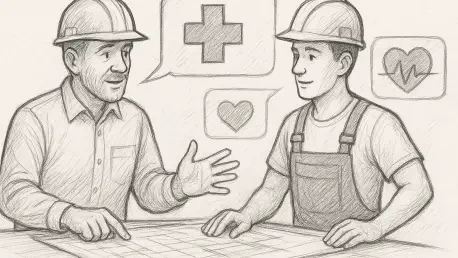
The mental health landscape within the trades is complicated by specific environmental stressors such as traumatic site incidents, rotating shift work, and the psychological isolation of camp living at remote northern projects. Long periods away from family combined with sleep deprivation can exacerbate underlying mental health conditions, yet a persistent stigma has historically prevented workers from seeking help. However, as the industry welcomes more members of Gen Z, the traditional tough it out mentality is beginning to dissolve. This younger demographic is significantly more likely to prioritize mental wellness and utilize employee assistance programs than previous generations. Forward-thinking employers are capitalizing on this shift by training supervisors to lead open discussions about stress and burnout, thereby normalizing the use of mental health resources. Creating a culture where psychological safety is viewed as critically as physical safety is essential for modern retention.
The successful modernization of employee benefits in the trades required a holistic integration of ergonomics and mental health protocols that addressed the cumulative stressors of the industrial environment. Employers who moved beyond basic insurance coverage to offer comprehensive wellness strategies saw a marked improvement in both recruitment and long-term retention. These organizations utilized robust benefits packages as a key component of their Diversity, Equity, and Inclusion initiatives, attracting a broader talent pool by demonstrating a genuine commitment to worker well-being. By focusing on the specific physical demands of each trade and leveraging the openness of the newer workforce, firms were able to create a cohesive support system. This shift toward proactive care rather than reactive management set a new standard for the industry, ensuring that workers remained healthy throughout their careers. The transition focused on sustainable practices that prioritized the person behind the tools.