
The Invisible Battle: Frontlines of Workplace Wellness
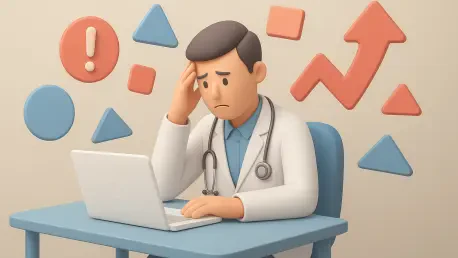
The very clinicians who specialize in building healthier workplaces are now navigating a hazardous landscape where verbal assaults and systemic bullying have become a routine part of their professional lives. While society often champions the resilience of medical workers, the specific plight of occupational health professionals frequently goes unnoticed because their work happens behind corporate doors rather than in emergency rooms. These experts find themselves in a precarious position, serving as the bridge between corporate necessity and individual well-being, yet they are increasingly treated as obstacles rather than assets.
This rising tide of aggression forces a difficult conversation about the ethical and physical safety of those who provide the clinical foundation for the modern economy. Because their role involves making determinations about a person’s capability to earn a living, the clinical environment is naturally high-stakes. However, the level of hostility now reaching the surface suggests a deeper cultural shift where the professional boundaries of medicine are being eroded by organizational pressure and individual frustration.
Mapping the Scale: Hostility in Occupational Health
Recent investigations into the sector have painted a grim picture of the daily reality for these specialists. While traditional healthcare roles in the public sector report a 25 percent abuse rate, a comprehensive study conducted by the University of Glasgow, alongside the SOM and FOM, revealed that a staggering 75 percent of occupational health staff have faced bullying or harassment. This is not a localized issue but a pervasive trend that threatens the stability of the entire sector.
Beyond overt aggression, 40 percent of these professionals reported suffering from discrimination, suggesting that the environment is becoming increasingly toxic from both external and internal pressures. These figures highlight a stark disparity between general medical practice and the occupational specialty. It is clear that the unique nature of workplace health assessments creates a volatile atmosphere that standard safety protocols have failed to address.
Identifying the Sources: Workplace Mistreatment
The friction often ignites during clinical evaluations when a practitioner’s assessment directly impacts a worker’s status or financial benefits. Statistics show that 59 percent of abuse cases originate from the employees being assessed, who may perceive the practitioner as an adversary rather than a neutral medical authority. This tension is frequently exacerbated by a lack of understanding regarding the clinical scope of the visit, leading to defensive behavior during the examination.
However, the pressure is not one-sided; nearly 47 percent of practitioners reported receiving mistreatment from human resources managers and corporate leaders who sought to influence medical outcomes for organizational gain. This puts the staff in a conflict of interest trap, where they must defend their clinical integrity against both the people they treat and the people who hire them. Internally, colleagues and employers accounted for 20 percent of reported discrimination incidents.
Expert Perspectives: An Unacceptable Status Quo
Professor Neil Greenberg, President of the Society of Occupational Medicine, characterized the current lack of protective measures as an appalling failure of institutional duty. He emphasized that the unique vulnerability of this role is often ignored because standard safety protocols are designed for public-facing hospitals. Because these practitioners deliver news that can alter a person’s livelihood or a company’s financial bottom line, they remain uniquely exposed to retaliatory behavior.
Experts argue that the clinical independence of occupational health must be fiercely protected to ensure the safety of both the practitioner and the patient. When employers or managers attempt to dictate the outcome of a medical report, it undermines the entire profession and puts the clinician at risk of harassment. The consensus among medical leadership is that the status quo has become totally unacceptable, requiring a fundamental shift in how these professionals are shielded.
Strategies for Protecting: Occupational Health Practitioners
To address these challenges, the industry looked toward implementing standardized appointment invitations that explicitly defined the practitioner’s dual responsibilities to manage expectations early. Organizations also prioritized the creation of transparent, non-punitive reporting channels that allowed staff to flag abuse from corporate partners without fear of career repercussions. Specialized resilience training became a focal point, helping clinicians de-escalate high-tension situations during fitness-for-work evaluations. Finally, leadership teams adopted rigorous zero-tolerance frameworks that held referring employers accountable, ensuring that the safety of the practitioner remained the highest priority within the clinical process.