
The modern recruitment landscape has shifted dramatically from the era of manual resume screening toward a sophisticated model powered by deep learning and neural networks. This evolution represents a fundamental transition where hiring has moved from a reactive administrative function to a

While a vast majority of global corporations have aggressively integrated automated intelligence into their hiring pipelines, the anticipated revolution in workforce productivity remains largely elusive for most leadership teams. Organizations are rushing to implement automated tools to stay

While many observers spent years speculating about a future where machines might finally displace human workers, the sudden reality of the current economic climate has proven that this shift is no longer a distant theoretical threat. This transformation is not merely a change in technology but a

The transition from an agile team of three founders to a complex organization of fifty or more employees requires more than just high-quality hires; it demands a robust digital infrastructure to prevent total operational collapse. During the earliest stages of a business, communication is often

A massive shift in European labor law has forced organizations to pull back the curtain on compensation structures that remained shrouded in secrecy for decades. This regulatory upheaval, spearheaded by the European Union Pay Transparency Directive, aims to bridge the persistent gender pay gap that

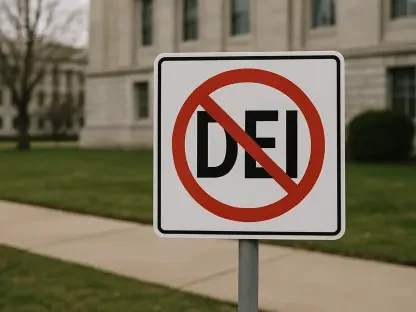
The Federal Communications Commission has recently signaled a seismic shift in its administrative philosophy by moving away from long-standing diversity initiatives toward a framework that prioritizes objective technical standards. This transition comes at a time when the legal landscape regarding