
The sharp rise in physical health complaints from twenty-one percent to thirty percent in just one year signals an urgent need for employer intervention. This alarming trend indicates that the traditional balance between professional responsibilities and personal health has fractured under the

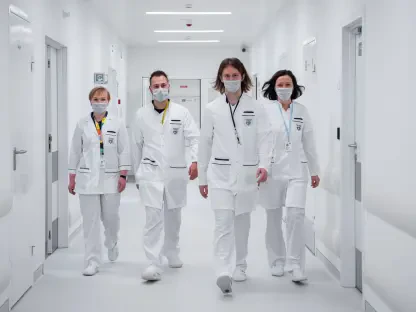
By identifying high-risk individuals through metabolic profiling, institutions can transition from reactive care to proactive prevention of biological aging. This paradigm shift in occupational medicine is exemplified by a comprehensive longitudinal study currently underway at Semmelweis University

Failure to maintain a 35-foot safety distance from ignition sources during propane bus maintenance is at the heart of recent occupational health and safety charges. This legal scrutiny follows a serious incident in Red Deer where a technician suffered burns while working on a propane-fueled

While thirty-one percent of surveyed finance professionals still prefer the traditional office, the majority now favor environments that support deep focus. This shift reflects a broader evolution in the role of the Chief Financial Officer, who has transitioned from a stationary overseer of ledgers

Implementing artificial intelligence as a micromanagement tool threatens to exacerbate the current health crisis unless it is used to increase employee autonomy. This warning serves as a cornerstone for the newly released "Good Work, Good Health, Good Growth" guidelines, which aim to address the
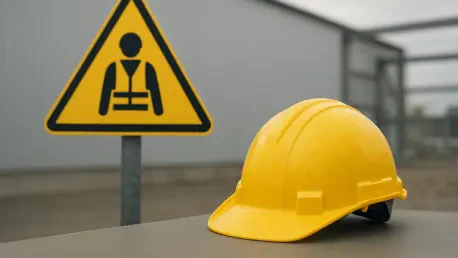
Credibility serves as the fundamental currency for any professional seeking to foster a safer workplace culture without having direct hire-and-fire power. In industrial and corporate environments in 2026, the term "safety leadership" is frequently treated as a specialized technical requirement, yet