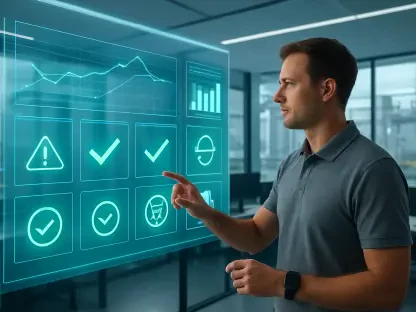

Thecontemporarylabormarketin2026haswitnessedaprofoundtransformationwherethetraditionalmethodsofmaintainingstaffloyaltyarebeingsystematicallyreplacedbyasophisticatedblendofalgorithmicprecisionandhigh-impactinterpersonalengagementstrategies. As organizations navigate the complexities of a post-digital era, the challenge of employee retention has moved beyond competitive salaries and basic benefits packages into the realm of total experience optimization. Current data indicates that the annual economic impact of Generative Artificial Intelligence could reach upwards of four trillion dollars, yet the true value for human resources lies in its ability to salvage the human element from the depths of administrative burnout. By integrating these advanced technologies with intentional team-building frameworks, businesses are discovering a potent formula for stabilizing their workforce. The intersection of machine learning and human connectivity creates a workplace where employees feel both technologically empowered and socially integrated. This analysis explores how the dual forces of artificial intelligence and strategic culture-building act as a primary defense against turnover, ensuring that talent is not only recruited but deeply embedded within the organizational fabric through personalized engagement and meaningful professional development.
Algorithmic Precision: Redefining Productivity and Job Fulfillment
The introduction of generative technology has fundamentally altered the productivity landscape, moving beyond simple automation to a new frontier of cognitive assistance. In the current 2026 professional environment, researchers have observed that these tools can elevate employee output by as much as thirty-four percent, specifically by absorbing the burden of repetitive, low-value administrative duties. This transition allows the workforce to redirect their mental capacity toward high-level critical thinking and creative problem-solving, which are primary drivers of professional fulfillment. When individuals are liberated from the monotony of data entry or schedule management, they experience a renewed sense of purpose and intellectual stimulation. This shift is not merely about increasing the speed of operations but about enhancing the quality of the work experience itself. By automating the mundane, organizations provide their staff with the time necessary to engage in deep work and strategic innovation, which significantly reduces the likelihood of burnout. Consequently, the integration of intelligent systems acts as a foundational element of retention by ensuring that roles remain challenging and rewarding rather than tedious.
Beyond individual productivity, predictive analytics have emerged as a critical strategic defense against unwanted turnover by allowing management to identify attrition patterns before they manifest as resignations. These systems process vast arrays of behavioral data and feedback patterns to pinpoint specific departments or individuals who may be reaching a state of disengagement. By analyzing these data points in real-time, Human Resources departments can transition from a reactive stance to a proactive strategy, implementing targeted interventions such as professional development opportunities or adjustments to work-life balance. This foresight enables leadership to address the root causes of dissatisfaction, whether they stem from a lack of growth or perceived imbalances in workload. The ability to forecast trends ensures that retention efforts are directed with precision, maximizing the impact of organizational resources. Furthermore, these insights provide a granular understanding of the employee journey, allowing for the customization of career paths that align with individual aspirations. Such a data-driven approach fosters a sense of being valued and understood, which is essential for long-term loyalty in a competitive market.
Internal Communications: Personalization through Advanced Natural Language Processing
Effective communication serves as the backbone of the employee experience, yet traditional internal channels often suffer from information overload and a lack of relevance. Advanced AI-powered platforms, leveraging Natural Language Processing, solve this by personalizing content delivery to ensure that every team member receives only the information most pertinent to their role and interests. By analyzing recipient behavior, these systems can automate and tailor messages, which prevents the frustration associated with cluttered inboxes and irrelevant corporate updates. Chatbots and intelligent assistants further enhance this experience by providing instant responses to common queries, reducing the administrative friction that often slows down daily operations. The implementation of these tools within engagement platforms allows for intelligent, real-time solutions that keep teams motivated and informed. A notable example in the healthcare sector demonstrated that utilizing an AI-powered audience manager led to a staggering increase in engagement levels within a single year. This level of personalization makes employees feel seen and respected by the organization, directly contributing to a more cohesive and committed workplace culture.
Furthermore, these communication tools facilitate a more inclusive environment by bridging gaps between disparate teams and remote workers. In a decentralized workforce, maintaining a sense of unity is a significant challenge, but AI-driven internal social platforms can recommend networking opportunities and collaborative projects based on shared skills and interests. This digital team-building approach ensures that employees remain connected to the broader mission of the company regardless of their physical location. By fostering these connections, organizations can combat the isolation that often leads to turnover among remote staff. Additionally, these platforms provide a space for peer recognition and the sharing of successes, which reinforces a positive feedback loop within the company. When communication is both efficient and meaningful, it builds a foundation of trust and transparency between leadership and staff. This transparency is vital for employee retention, as it provides clarity regarding organizational goals and the individual’s role in achieving them. The result is a more resilient workforce that is better equipped to handle the demands of a rapidly evolving industry.
Psychological Safety: Leveraging Objective Data for Cultural Health
An overlooked but vital benefit of modern technology is its role in fostering a culture of psychological safety through unbiased, data-driven insights into employee sentiment. Because information is gathered and analyzed by an objective system, it can facilitate open, non-stigmatized discussions regarding workplace challenges and areas for improvement. This objectivity helps management address grievances based on verified facts rather than subjective perceptions, creating an environment where employees feel safe to voice their concerns and contribute innovative ideas. When staff members believe that their feedback is being handled fairly and without bias, their trust in the organization grows significantly. This sense of safety is a primary indicator of long-term retention, as individuals are more likely to remain in a workplace where they feel intellectually and emotionally secure. The steady flow of information through these objective channels ensures that potential conflicts are identified and resolved before they escalate into larger systemic issues. Consequently, the use of AI in sentiment analysis provides a more accurate reflection of the organizational climate than traditional annual surveys.
Moreover, the integration of these insights into leadership training allows managers to develop more empathetic and effective coaching styles. By understanding the specific stressors and motivators of their teams, leaders can adapt their approach to meet the unique needs of each individual. This synergy between machine efficiency and human empathy is the hallmark of a successful retention strategy in 2026. While technology provides the data, it is the human application of those insights that truly transforms the workplace culture. Organizations that prioritize this balance are better positioned to build strong, resilient teams that can navigate the pressures of the modern economy. The transparency provided by these systems also ensures that employees are aware of the steps being taken to improve their work environment, which further reinforces their commitment to the company. When culture is treated as a strategic asset informed by data, it becomes a powerful tool for attracting and keeping top-tier talent. This proactive approach to cultural health ensures that the organization remains an attractive place to work even as the competitive landscape shifts.
Strategic Integration: The Synergy of Automation and Human Leadership
The successful integration of these technologies and methodologies demonstrated that a balanced approach was the most effective way to secure a stable workforce. Organizations that prioritized the synergy between algorithmic efficiency and human empathy realized significant gains in both productivity and morale. It was found that transparency, supported by consistent information flow, built a foundation of trust that traditional management styles often lacked. The transition toward personalized employee experiences ensured that every team member felt recognized as an individual rather than a mere metric. Ultimately, the strategic use of these tools provided a clear roadmap for navigating the complexities of the modern labor market, proving that innovation and human connection were not mutually exclusive but rather two sides of the same coin in the pursuit of retention.