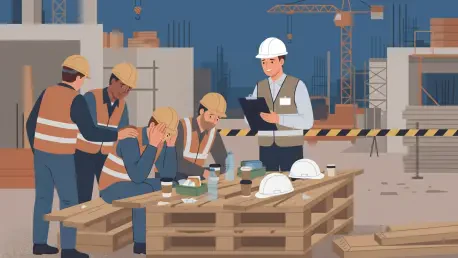

Frontline supervisors must be educated on how to identify signs of distress to ensure they respond to grieving subordinates with compassion rather than mere technical instructions. When a fatality or a severe injury shakes a job site, the first waves of response usually center on sirens, reports, and containment, yet the quieter aftermath can last far longer than the cleanup. Workers who watched the event may return to the floor looking functional while carrying fear, guilt, or disbelief that unsettles every task that follows. The real challenge is that a serious incident does not end at the scene; it spreads through shift changes, conversations, sleep patterns, and trust. A safety program that stops at paperwork misses the human damage that can alter judgment, morale, and the sense of security that keeps people steady on the job.
The Nature of Emotional Trauma and Physical Risks
Psychological Responses to Workplace Tragedies
The first reaction to a workplace tragedy is often not tears or visible panic but a kind of stunned quiet. Some employees keep moving because the body knows the routine even when the mind has not caught up, and that automatic mode can look like strength from the outside. In high-risk settings, that reaction is often reinforced by culture; workers may believe they have to remain stoic so the shift can continue. Yet shock can delay grief rather than erase it. Hours later, or even days later, the same employee may struggle to concentrate, lose patience quickly, or go silent in meetings that once felt normal.
That delayed strain matters because trauma rarely follows a neat timeline. One person may cry immediately, another may become irritable, and a third may seem detached until a small reminder triggers a stronger reaction. The important point is not to judge the response against a standard that does not exist. Supervisors who expect everyone to react the same way often miss the early warning signs that someone is starting to unravel. A healthier approach is to treat emotional volatility, flatness, and withdrawal as signals that deserve attention, not discipline.
The Link Between Trauma and Subsequent Hazards
Mental strain quickly becomes a safety issue when it follows employees back onto the floor. A worker who has slept poorly, keeps replaying the incident, or feels distracted by fear is less likely to notice a forklift backing up, a harness clipped incorrectly, or a process step skipped under pressure. Trauma narrows attention. It also increases fatigue, and fatigue weakens reaction time just when awareness matters most. In that state, even a well-trained employee can miss hazards that would normally stand out.
This is why one incident can create conditions for another. A shaken crew may rush through tasks, overlook a sound they would otherwise investigate, or hesitate to speak up when something looks wrong. The safer response is not simply to remind people to “be careful.” It is to watch for behavioral changes that suggest someone is not fully present and to adjust duties before a lapse turns into a second event. Temporary reassignment, buddy checks, and direct supervisor observation can interrupt the cycle before grief becomes another source of harm.
Organizational Responsibility and Leadership Presence
The Role of Visible Leadership
After a serious incident, leadership presence sends a message that no memo can match. When senior managers appear on site, stop the usual schedule, and speak directly with affected crews, they show that the organization values people before production. That visible response matters because employees are often measuring whether the company sees them as human beings or as interchangeable parts. A brief walk-through from an executive may not solve the emotional fallout, but it can steady a shaken workforce and reduce the feeling that everyone has been left alone with the event.
Practical support matters just as much as symbolic presence. Direct conversations, rides home, time off, and immediate access to counseling can keep a distressed worker from slipping deeper into isolation. In some cases, organizations have also brought in trauma-trained professionals, including crisis teams familiar with industrial settings, to help guide group discussions. That step can lower the pressure on supervisors who are trying to manage both operations and emotions at the same time. It also makes the response feel less improvised and more trustworthy.
Leveraging Peer Support Networks
Coworkers often notice distress before management does because they share the same routines, the same language, and the same pressure points. A veteran operator can usually tell when a peer is unusually quiet, moving slower than normal, or avoiding tasks that never bothered them before. That kind of recognition is powerful because it comes from someone who understands the environment without needing a long explanation. In the aftermath of a tragedy, peer support can become the first real bridge back to stability.
Building that network takes more than asking employees to “look out for each other.” It requires a culture where short, honest check-ins are normal and where asking direct questions does not feel invasive. A simple conversation at shift start, a quiet pause after a hard assignment, or a supervisor who makes room for a private talk can change the tone of an entire crew. When people trust that concern will be met with respect, they are more likely to speak up early. That habit helps turn shared experience into practical support rather than private suffering.
The Vulnerability of Safety Professionals and Long-Term Recovery
The Secondary Trauma of Safety Personnel
Safety professionals often become the calm center of a chaotic event, but that calm can hide a heavy emotional load. They are usually the ones documenting facts, coordinating reports, and standing closest to the scene long after others have left. What they absorb is not limited to procedures. They see the aftermath, hear the details again and again, and carry the responsibility of making sense of a tragedy while keeping the organization functioning. Even experienced professionals can leave with intrusive memories or a sense of helplessness that does not show up in the incident log.
Training helps with response, but it does not make anyone immune to grief. That is why safety leaders need the same support they are expected to arrange for others. Employee Assistance Programs, counseling, and peer conversations with other safety professionals can make the load more manageable. Just as important, supervisors had to check on the people handling the response instead of assuming they were fine because they stayed composed. Composure can be a job skill, not proof of recovery. Ignoring that difference only deepens the strain on those who are already carrying the scene.
Moving Beyond the Procedural Checklist
The organizations that handled trauma more effectively did not treat recovery as a one-day event. They had recognized that once the site was cleared and the paperwork was complete, the emotional work was only beginning. A serious incident could leave lingering fear, guilt, and tension that surfaced later in quieter ways, such as absenteeism, errors, or strained teamwork. For that reason, the best response plans had built in follow-up instead of relying on a single meeting that everyone hoped would be enough.
That follow-up had to be practical and recurring. It worked best when supervisors scheduled later check-ins, adjusted workloads for affected employees, and kept mental health resources visible long after the initial shock had passed. It also improved when incident response plans included clear ownership for recovery support, not just for investigation. When mental health was folded into safety management as a standing responsibility, the organization had a better chance of restoring trust and reducing the risk of repeat harm. In the end, the strongest workplaces had not just reacted to tragedy; they had learned how to carry people through it.